Pipe and Fitting Guides
Copper or PEX, a push fitting or a soldered joint, heat tape or insulation. These guides compare the options and explain when a pipe needs repair.
Pipes & Fittings Guides
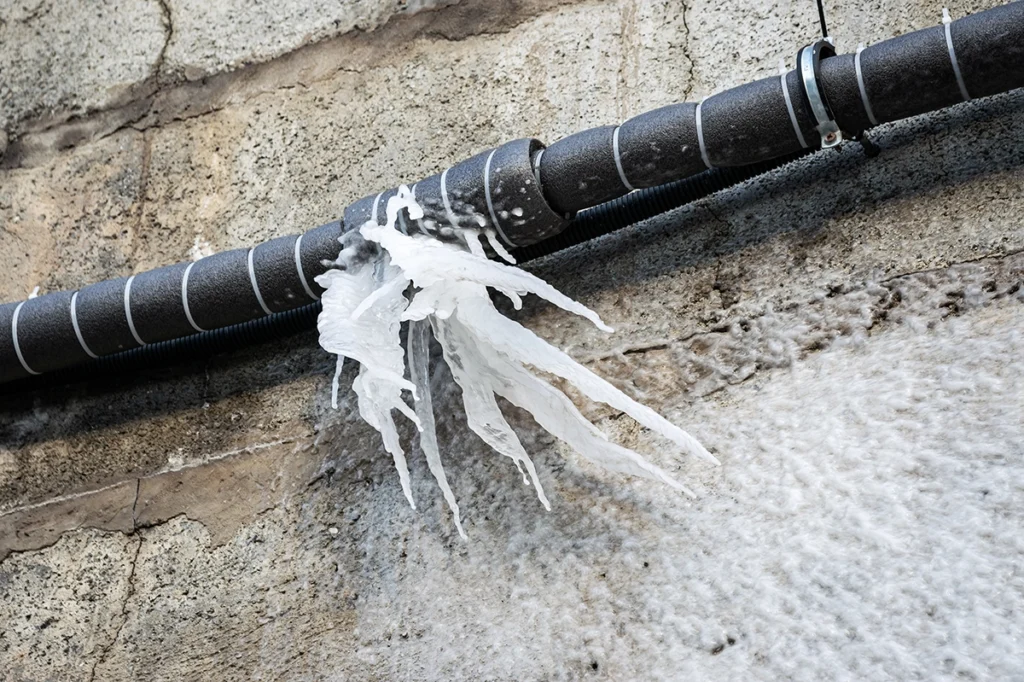
Drip Your Faucets Below 20°F: Which Taps, How Fast and for How Long
Once it stays below 20°F for several hours, unprotected pipes are at the most risk. Drip the right faucets at one drop every second or two, and know what to do if a pipe freezes anyway.
Read the Guide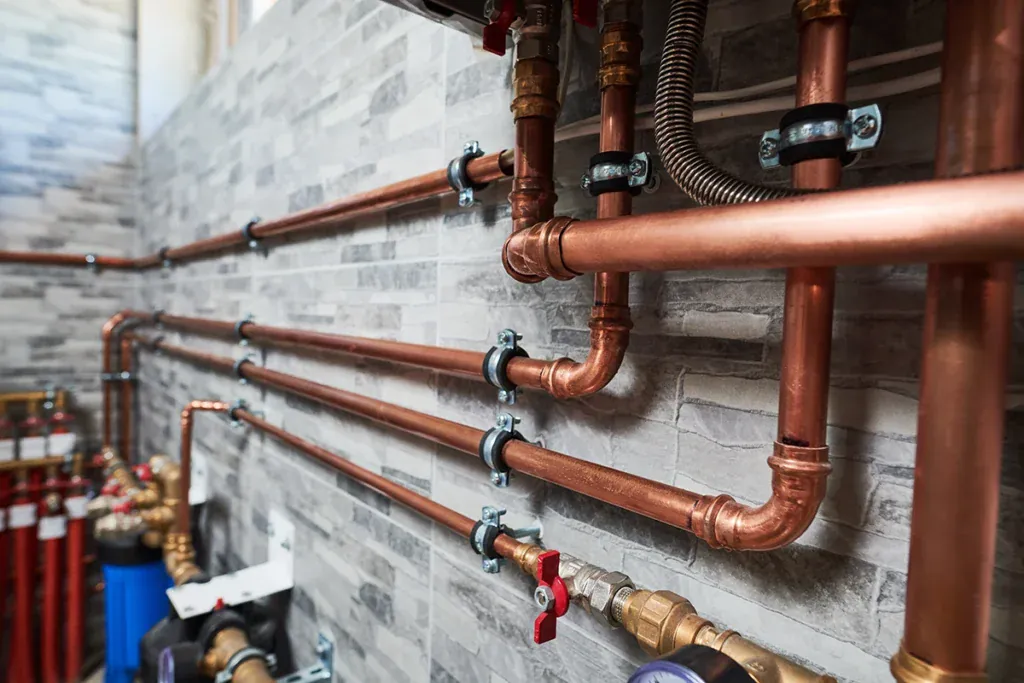
Copper Sweat vs. SharkBite: Which Joint Lasts Longer and When Each One Makes Sense
Decades for a soldered copper joint. Seconds for a SharkBite push fitting, which also works on CPVC and PEX. Durability, code and cost decide where each one belongs.
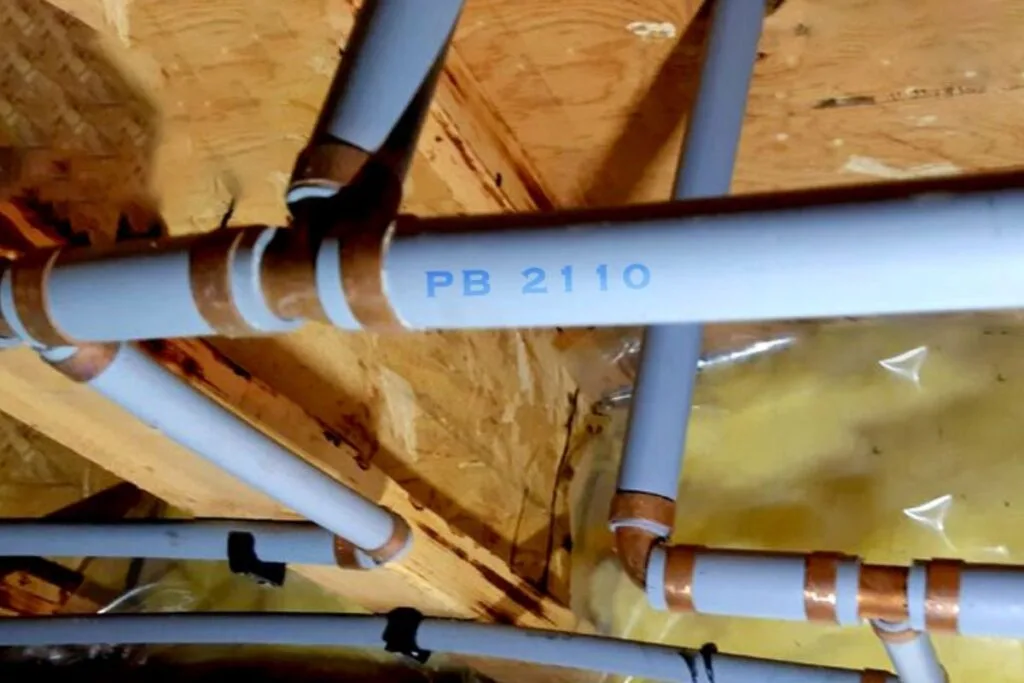
Polybutylene Plumbing: How to Spot It, Why It Fails and When to Replace It
Built between the late 1970s and the mid-1990s? Your house may have polybutylene, a flexible plastic supply pipe that breaks down from the inside. Spotting it is the first step in deciding whether to replace it.
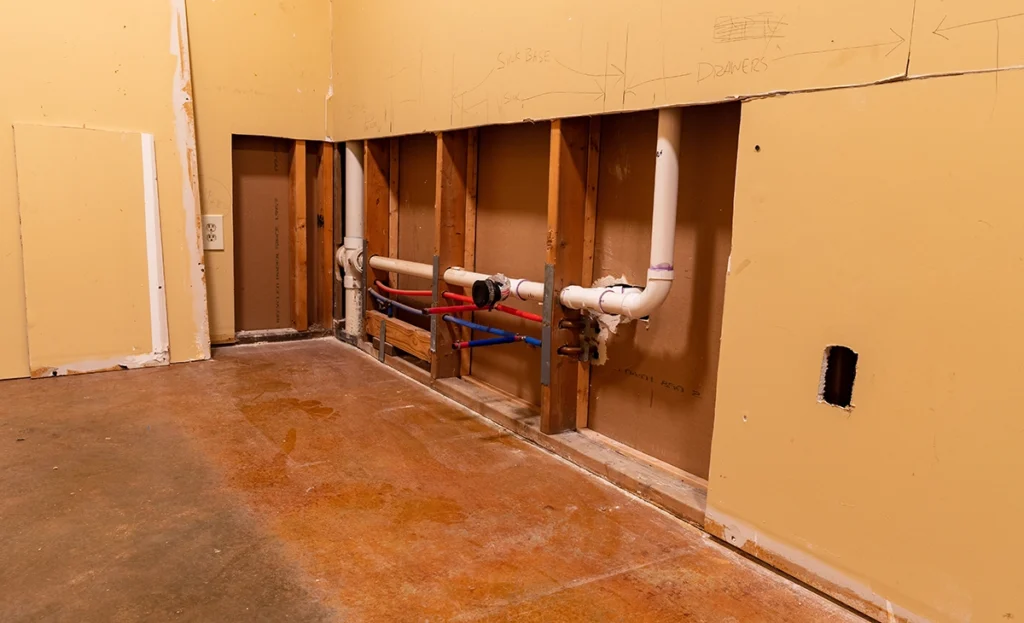
PEX Plumbing: Why It Bends Where Copper Can't, Where It's Used and What It Costs
PEX is cross-linked polyethylene tubing. It bends around corners, needs fewer fittings and doesn't rust, which is why it often costs less to install than copper or galvanized steel.
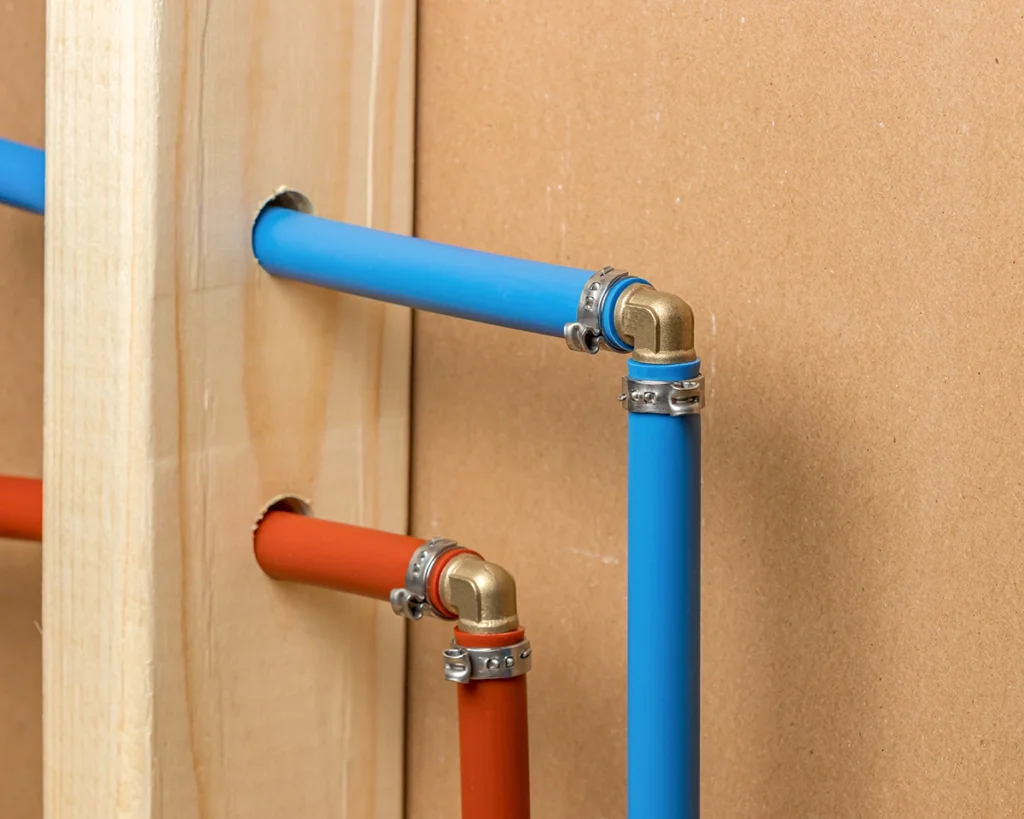
PEX A vs PEX B: Flexibility, Freeze Resistance and Cost Compared
PEX A bends around corners and tolerates freezing better. PEX B is stiffer, resists kinks and costs less. The right pick depends on your home.
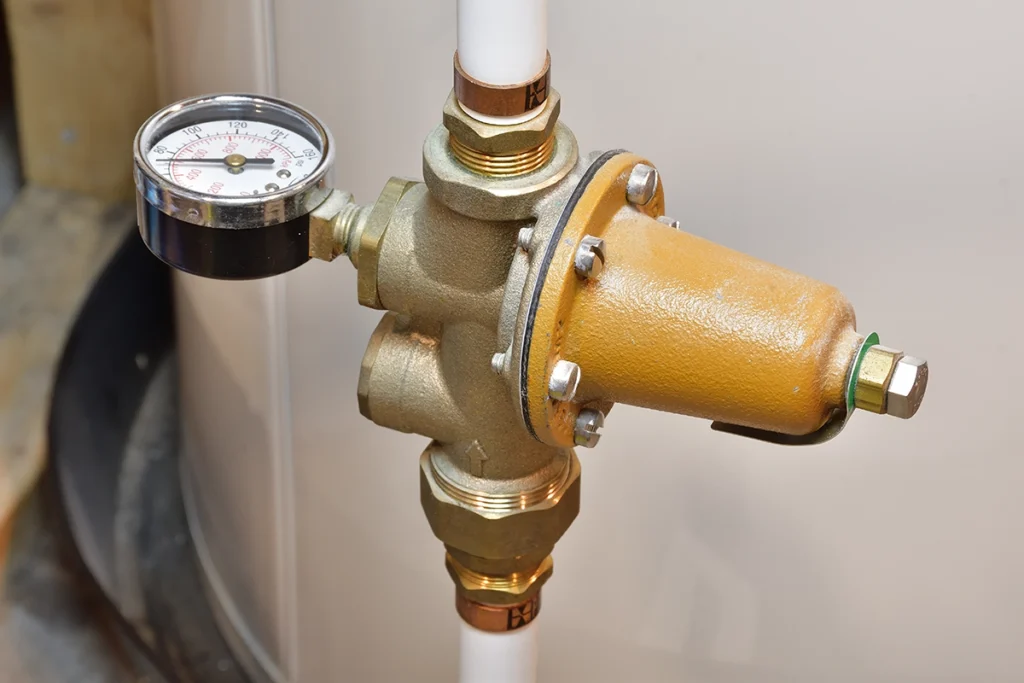
Four Signs Your Pressure Reducing Valve Is Failing, and What Fixes It
A pressure reducing valve keeps high street pressure from hammering your pipes. When it wears out, you hear it in the pipes, see it at the water heater and feel it at the faucets. Most PRVs last 7 to 12 years.
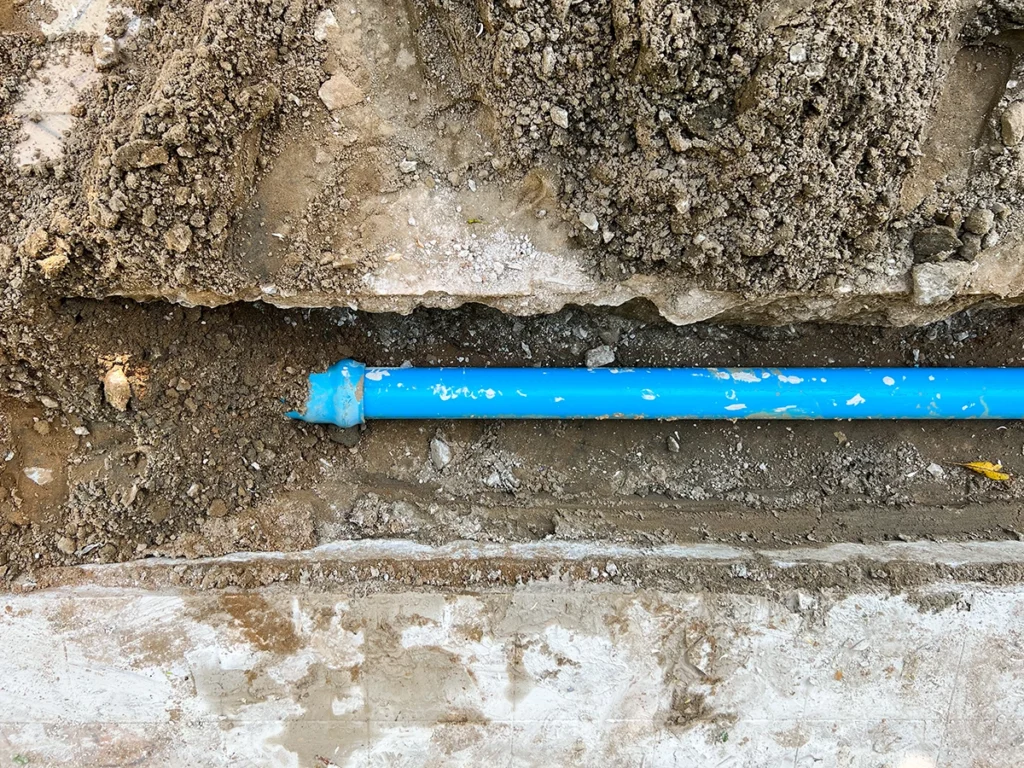
What Your Main Water Line Does, From the Street to the Faucet, and the Signs It's Failing
Every fixture in the house depends on one pipe. Your main water line carries pressurized water from the city main or a private well, past the shut-off valve and out to each of them.
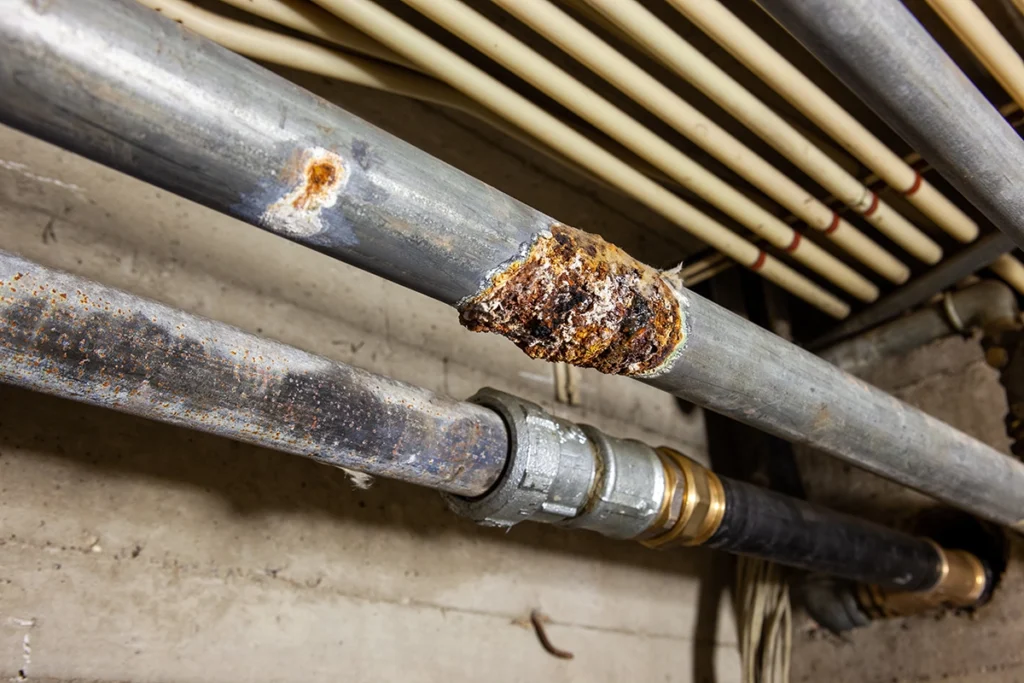
Galvanized Pipes Rust From the Inside. Four Signs Yours Are Near the End
Most galvanized systems have lasted 40 to 60 years. Once the zinc coating wears through, rust builds up inside where you can't see it, and at some point replacing the pipe makes more sense than chasing leaks.
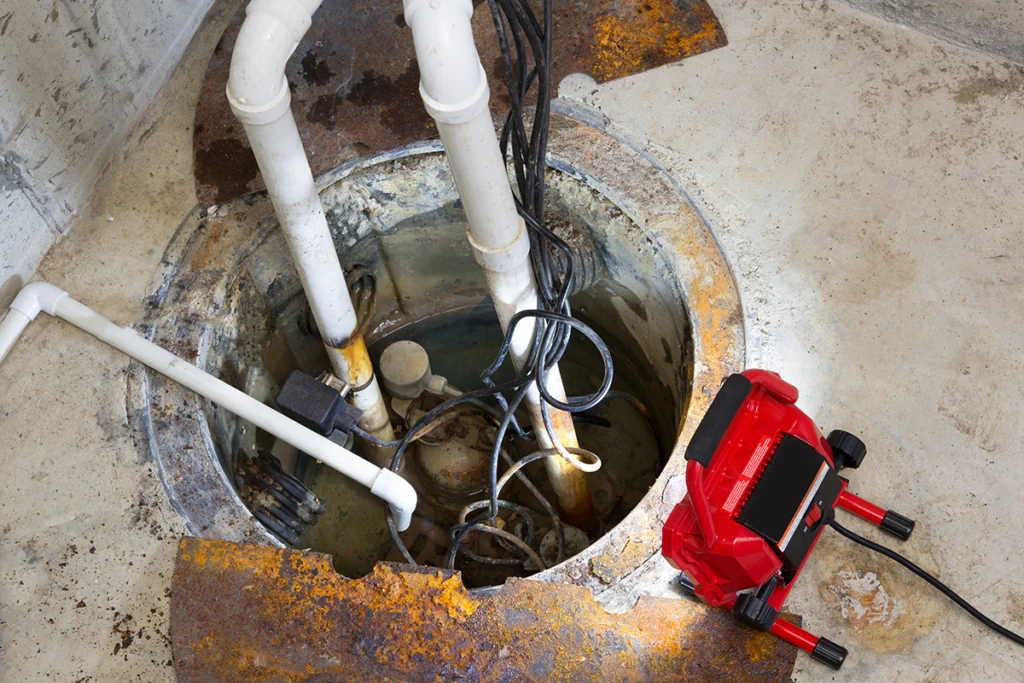
PVC Pipe: Where It Belongs in Your Plumbing, Where It Doesn't and How Long It Lasts
Properly installed PVC drain, waste and vent lines can last 50 to 100 years. Keep PVC away from hot water, though: it softens around 140°F, so hot lines go in CPVC or PEX.
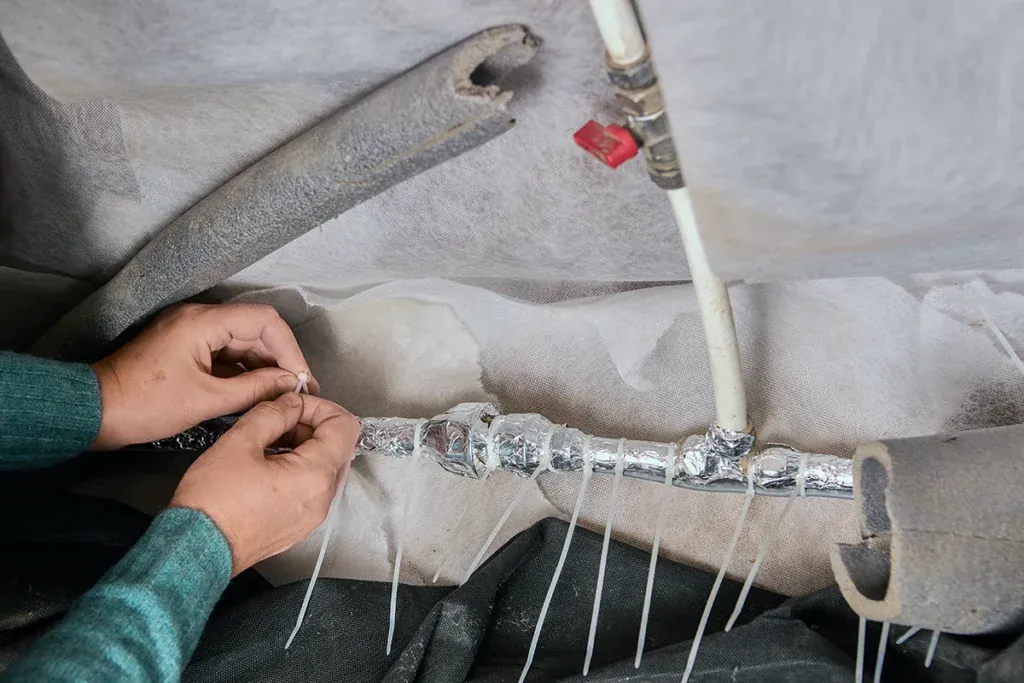
Heat Tape on Water Pipes: Where It Goes, How to Install It Safely and How Long It Lasts
Expect 3 to 5 years from most heat tape, the electric cable that keeps exposed pipes above freezing. Before you wrap a pipe, learn the difference between manual and self-regulating tape and the four installation mistakes to avoid.
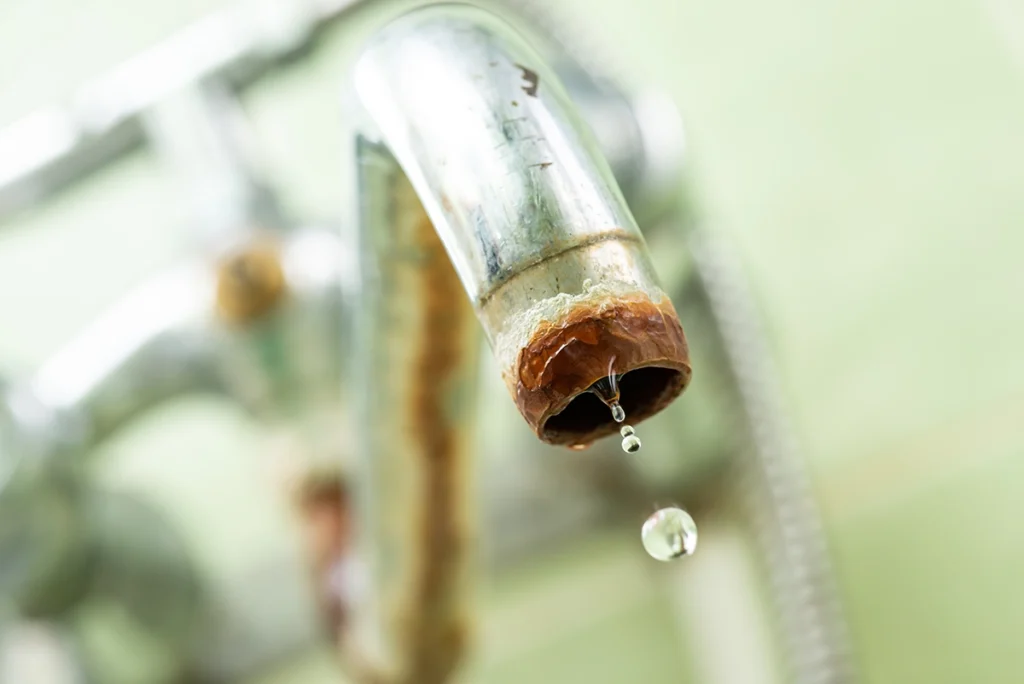
Five Things That Corrode Bathroom Faucets, and How to Slow Each One Down
Hard water, metal-on-metal reactions, damp air, harsh cleaners and plain age all eat at a faucet. Some habits slow the damage. Past a certain point, replacing the faucet makes more sense.
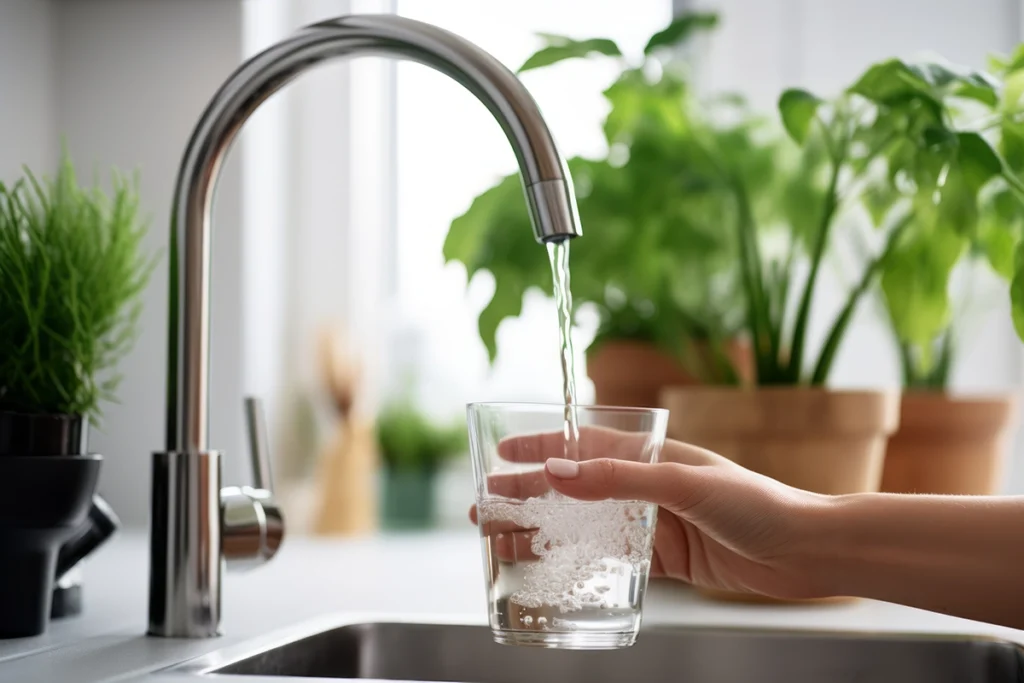
Air in Your Water Lines: Five Causes and the Flush That Clears Most of Them
Sputtering taps, spitting water and sudden pressure drops usually mean air got into the pipes. Five causes account for most of it, and four fixes are worth trying yourself before a plumber takes a look.
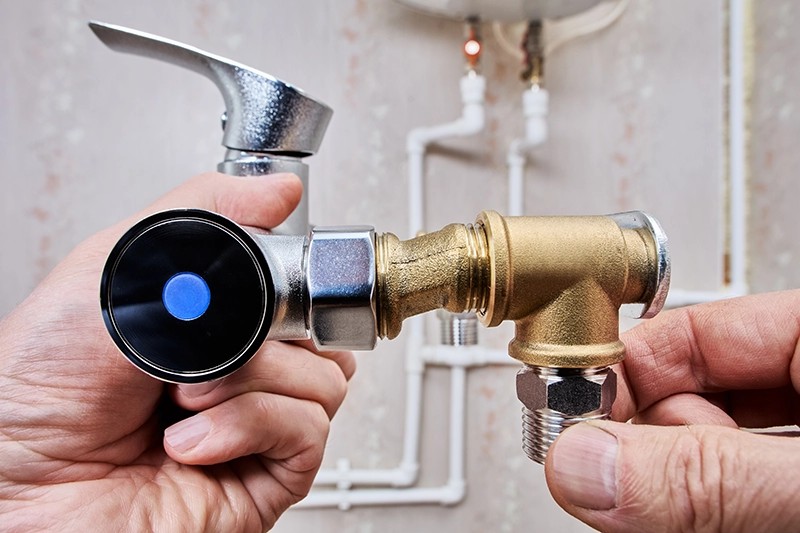
Reducer Fittings: Why Pipe Size Changes Matter and When to Use One
Pressure problems, leaks and poor flow can all start where two pipe sizes meet without a reducer. The fitting joins them so water keeps flowing smoothly, and some installs are a job for a pro.