What Your Main Water Line Does, From the Street to the Faucet, and the Signs It's Failing
Every fixture in the house depends on one pipe. Your main water line carries pressurized water from the city main or a private well, past the shut-off valve and out to each of them.
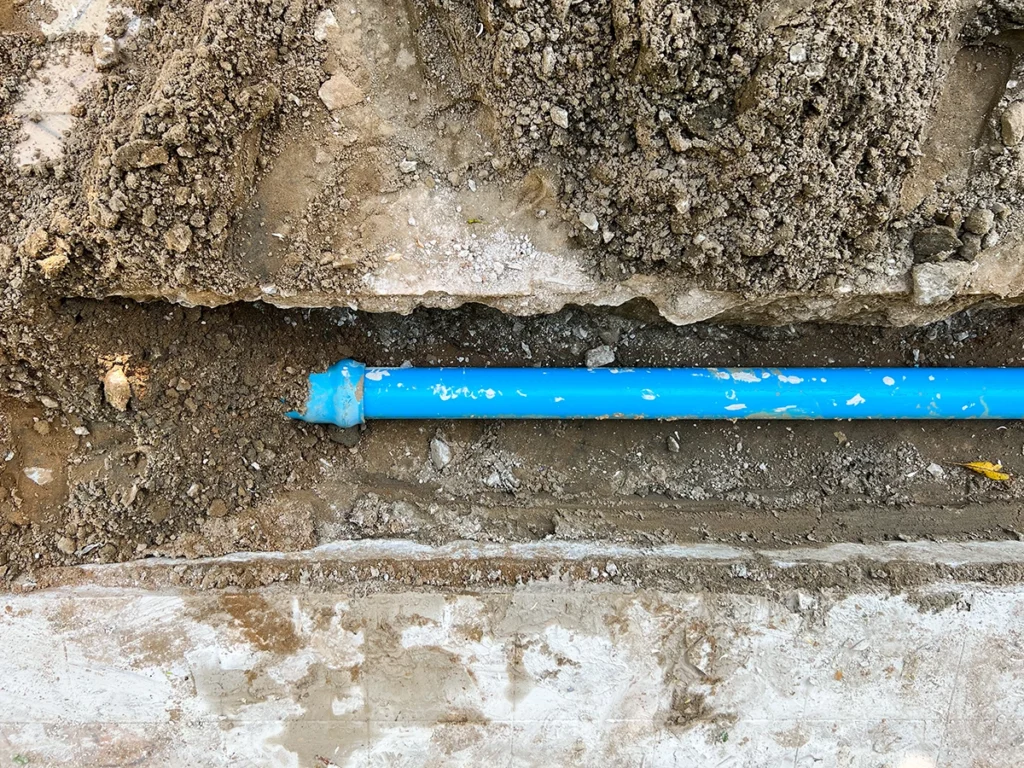
At its core, a water line delivers clean, pressurized water into your home.
What Is a Water Line? Understanding the Basics
A water line connects your property to either municipal water supply or a private well system, delivering pressurized water to all fixtures. Common pipe materials include copper, PVC, PEX, and HDPE, each with different durability and performance characteristics depending on soil conditions and climate.
How a Water Line Works Inside Your Home
Water travels under steady pressure through the main service line, which enters your home and passes a shut-off valve. This valve serves as the critical control point for emergencies. The entire home’s water supply depends on consistent pressure from this main line.
Public water systems draw from lakes, rivers, reservoirs, and groundwater before treatment and distribution through municipal mains to individual properties.
What Is a Water Line Doing When Pressure Drops?
Pressure drops typically appear first at showers and faucets. Causes include mineral buildup, aging pipes, small leaks, or pressure-reducing valve (PRV) problems that disrupt steady flow throughout the home.
Common Issues That Affect How a Water Line Performs
Underground water lines frequently experience problems out of sight, but symptoms appear indoors:
- Sudden pressure drops
- Discolored water
- Higher water bills
- Water pooling in the yard
- Noisy plumbing during peak use
Seasonal Stress on Water Lines
Cold snaps can freeze shallow lines, while heat waves strain older materials. Routine inspections help catch early corrosion, loose fittings, and weak joints before they become major issues.
When to Call a Professional for Water Line Help
Main line repairs require licensing, professional tools, and excavation experience. Professional service is recommended for repeated pressure drops, discolored water, or visible leaks.
Why It Helps to Understand What a Water Line Is
Understanding water line basics helps homeowners catch problems early and protect their plumbing systems before minor issues escalate.
FAQs About Water Lines
How deep is a typical water line buried?
Depth varies by region, particularly in colder climates, but most installations place lines below the frost line.
What causes water lines to fail?
Common factors include aging pipe materials, soil shifts, corrosion, and high pressure.
Do water lines freeze in Fredericksburg, VA?
Freezing can occur during severe cold snaps, though proper depth and insulation reduce risk.
How do I know if I need a water line replacement?
Recurring pressure drops, discoloration, leaks, or repeated repairs often signal replacement is necessary.
Pressure Dropping or Water Discolored?
A Clog Heroes technician traces the problem along your water line and gives you a written price before any work starts. Calls are answered 24/7 at (540) 518-2564.
Filed under Pipes & Fittings · All Guides
More Pipes & Fittings Guides
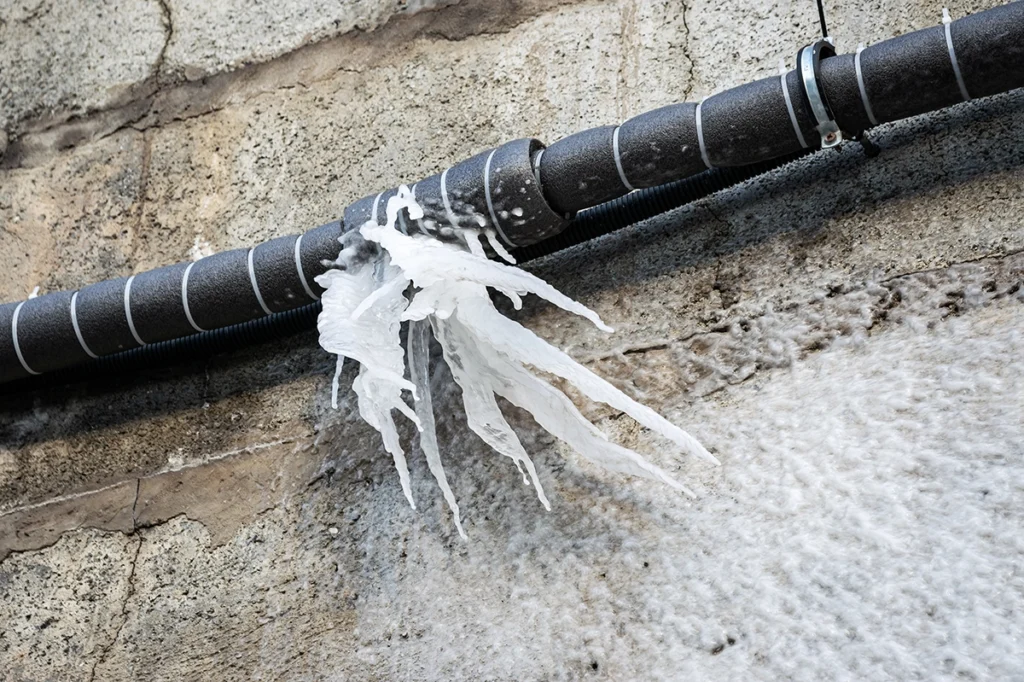
Drip Your Faucets Below 20°F: Which Taps, How Fast and for How Long
Once it stays below 20°F for several hours, unprotected pipes are at the most risk. Drip the right faucets at one drop every second or two, and know what to do if a pipe freezes anyway.
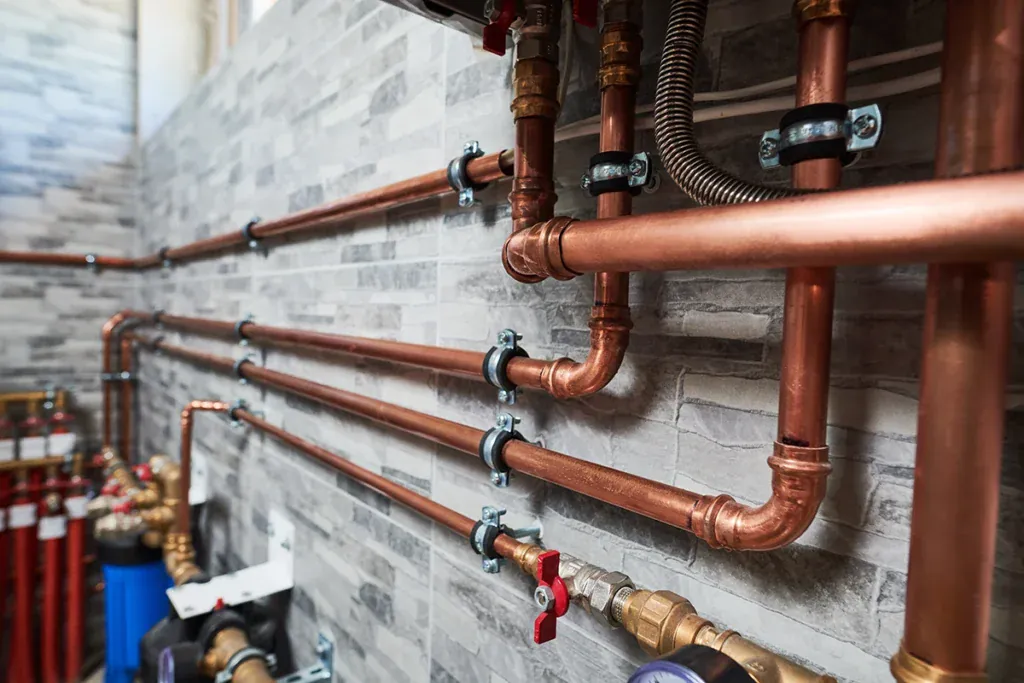
Copper Sweat vs. SharkBite: Which Joint Lasts Longer and When Each One Makes Sense
Decades for a soldered copper joint. Seconds for a SharkBite push fitting, which also works on CPVC and PEX. Durability, code and cost decide where each one belongs.
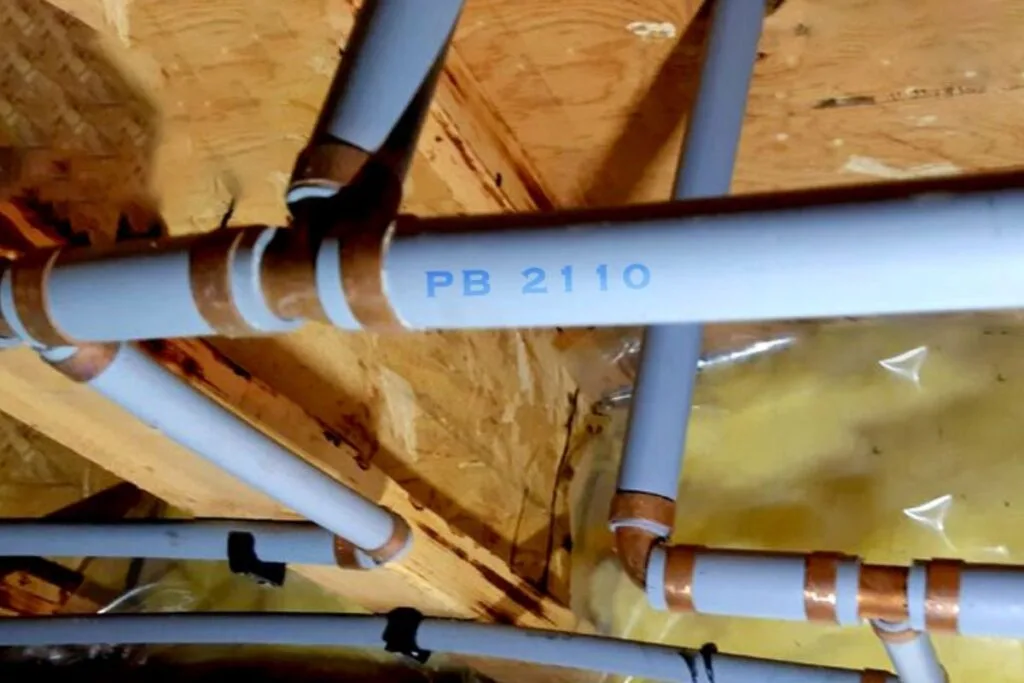
Polybutylene Plumbing: How to Spot It, Why It Fails and When to Replace It
Built between the late 1970s and the mid-1990s? Your house may have polybutylene, a flexible plastic supply pipe that breaks down from the inside. Spotting it is the first step in deciding whether to replace it.