Polybutylene Plumbing: How to Spot It, Why It Fails and When to Replace It
Built between the late 1970s and the mid-1990s? Your house may have polybutylene, a flexible plastic supply pipe that breaks down from the inside. Spotting it is the first step in deciding whether to replace it.
What Is Polybutylene Plumbing and Why Was It Used?
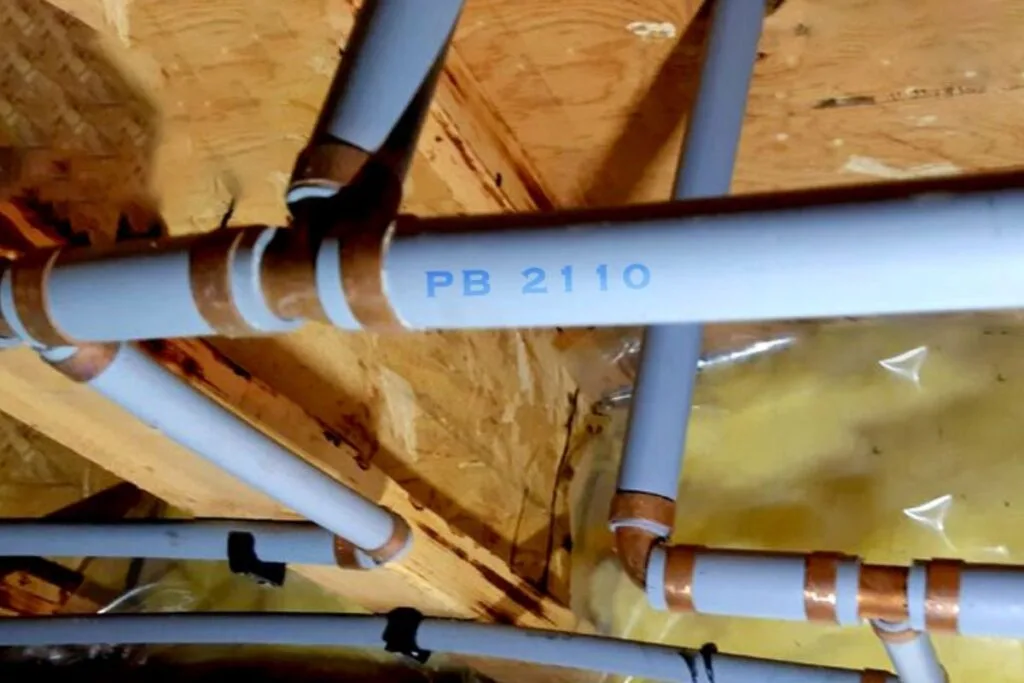
Polybutylene plumbing (or PB plumbing) is a type of flexible plastic piping installed widely between the late 1970s and mid-1990s. At the time, it seemed ideal. It was inexpensive, easy to install, and resistant to freezing.
However, what looked like innovation turned into a widespread issue. Over time, plumbers and homeowners noticed unexplained leaks, brittle pipes, and sudden failures. Because of that, polybutylene plumbing quietly earned a reputation for being unreliable.
Why Polybutylene Plumbing Fails Over Time
Polybutylene pipes break down because of how the material reacts with treated water. Specifically, disinfectants commonly used in municipal water supplies slowly weaken the pipe walls. As a result, the plastic becomes brittle from the inside out.
What makes this especially concerning is that the damage usually isn’t visible. Pipes may look perfectly fine on the surface while losing structural integrity internally. Eventually, cracks form without warning, leading to sudden leaks or major failures.
Municipal drinking water is treated with regulated disinfectants to protect public health, as outlined by the U.S. Environmental Protection Agency under the Safe Drinking Water Act. While those treatments are essential for safety, decades of field experience have shown that some older plumbing materials, including polybutylene, do not tolerate prolonged exposure well.
Because this chemical stress happens gradually, many homeowners don’t realize there’s a problem until water damage appears.
Common Warning Signs of PB Plumbing Problems
Although failures can happen suddenly, there are warning signs homeowners should never ignore.
- Frequent leaks or pinhole drips
- Discolored or brittle piping
- Fluctuating water pressure
- Unexplained water stains or damp areas
However, many homes show no symptoms at all—until a major break occurs. That uncertainty is why polybutylene plumbing causes so much stress for homeowners.
Insurance and Resale Issues Linked to Polybutylene Plumbing
In addition to physical failures, PB plumbing creates financial headaches. Many insurance companies either refuse coverage or limit water damage protection when these pipes are present.
Likewise, homebuyers often walk away once polybutylene plumbing appears in an inspection report. Even if the pipes haven’t failed yet, the perceived risk alone can derail a sale.
From professional experience, this combination of insurance limitations and resale concerns is often the moment homeowners decide replacement makes sense.
Polybutylene Plumbing vs Modern Pipe Materials
Once homeowners understand the risks, the next question usually follows—what replaces it?
Today, safer materials dominate residential plumbing. Copper and PEX are the most common options.
If you’re unfamiliar with newer materials, PEX plumbing is widely trusted because it resists corrosion, handles temperature changes well, and doesn’t degrade when exposed to treated water.
When homeowners dig deeper, many also want to compare PEX A vs PEX B. That comparison helps clarify flexibility, durability, and installation differences before committing to a repipe.
Is Polybutylene Plumbing Ever Considered Safe?
In short, no professional plumber considers polybutylene plumbing a long-term safe option today. While some systems may still be functioning, failure is always a matter of when, not if.
Because of that, proactive replacement usually costs less than emergency repairs and water damage restoration later. From burst pipes to mold growth, those downstream costs can escalate quickly.
When Replacement Becomes the Smart Move
Homeowners don’t need to panic, but waiting too long carries real risk. Replacement often makes sense when:
- You’re planning renovations
- You’re selling or buying a home
- Insurance coverage is affected
- Pipes are over 25 years old
Professional guidance explains options clearly with the goal of prevention. In many cases, water line replacement provides the most reliable long-term solution when polybutylene plumbing is present.
Why Professional Evaluation Matters
Not every home has visible plumbing lines. Sometimes PB plumbing hides behind walls or underground. A professional inspection confirms what materials are present and how urgent replacement may be.
Because every home is different, customized guidance matters. That’s where experience makes the difference.
Final Thoughts
At the end of the day, polybutylene plumbing brings uncertainty that modern systems simply don’t. While some pipes may still be holding on, the risk remains constant and unpredictable. Replacing polybutylene plumbing is one of the most effective ways homeowners protect their homes, finances, and peace of mind.
If you suspect your home has polybutylene plumbing—or you want clear answers—professional evaluation is available to explain options and help you plan the next step with confidence.
Frequently Asked Questions About Polybutylene Plumbing
Homeowners often ask a few common questions before making decisions. Here are quick answers to help.
Is Polybutylene Plumbing Legal Today?
Yes, but it is no longer installed and is widely discouraged by professionals.
Should I Replace PB Plumbing If It Hasn’t Leaked Yet?
In most cases, yes. Proactive replacement reduces sudden failure risk.
Does Homeowners Insurance Cover Polybutylene Plumbing Damage?
Coverage varies, but many policies restrict or deny claims.
Think You Have Polybutylene Pipe?
A Clog Heroes technician confirms what's in your walls and gives you a written price before any work starts. Calls are answered 24/7 at (540) 518-2564.
Filed under Pipes & Fittings · All Guides
More Pipes & Fittings Guides
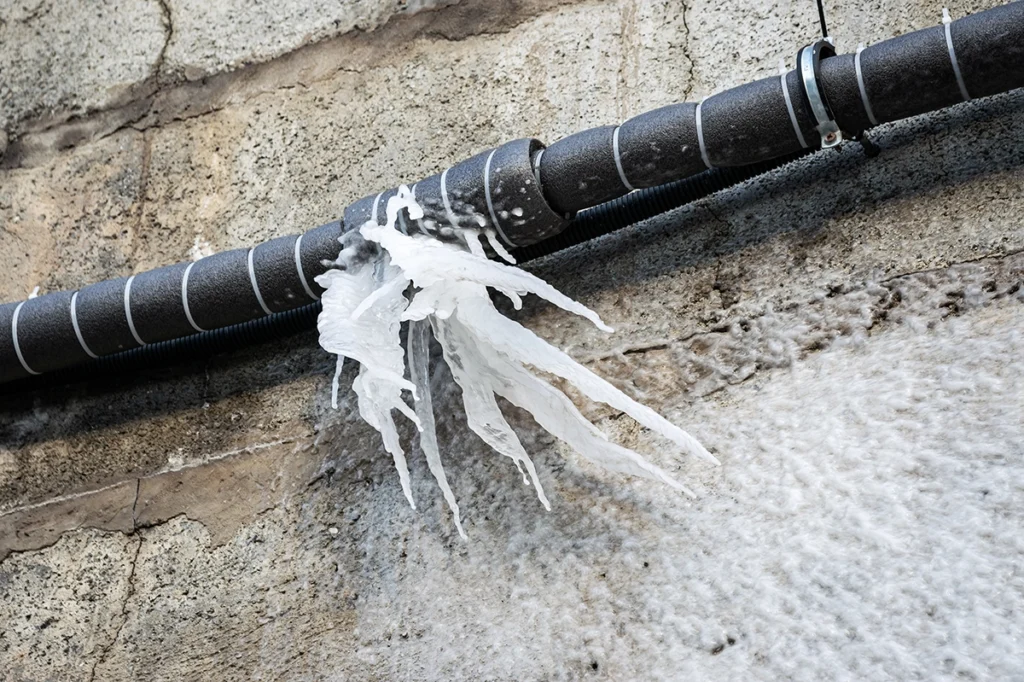
Drip Your Faucets Below 20°F: Which Taps, How Fast and for How Long
Once it stays below 20°F for several hours, unprotected pipes are at the most risk. Drip the right faucets at one drop every second or two, and know what to do if a pipe freezes anyway.
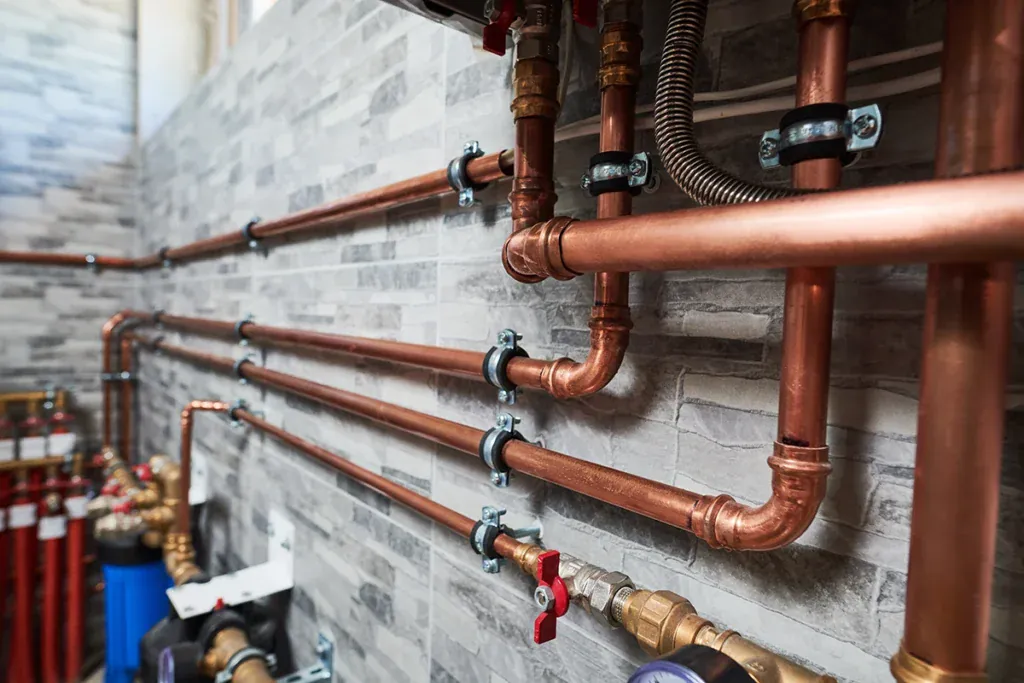
Copper Sweat vs. SharkBite: Which Joint Lasts Longer and When Each One Makes Sense
Decades for a soldered copper joint. Seconds for a SharkBite push fitting, which also works on CPVC and PEX. Durability, code and cost decide where each one belongs.
PEX Plumbing: Why It Bends Where Copper Can't, Where It's Used and What It Costs
PEX is cross-linked polyethylene tubing. It bends around corners, needs fewer fittings and doesn't rust, which is why it often costs less to install than copper or galvanized steel.