
Well and Pump Guides
If your water comes from a private well, a pump and a pressure tank do the work the city main does elsewhere. These guides explain how they work and how they fail, along with sump pumps.
Wells & Pumps Guides
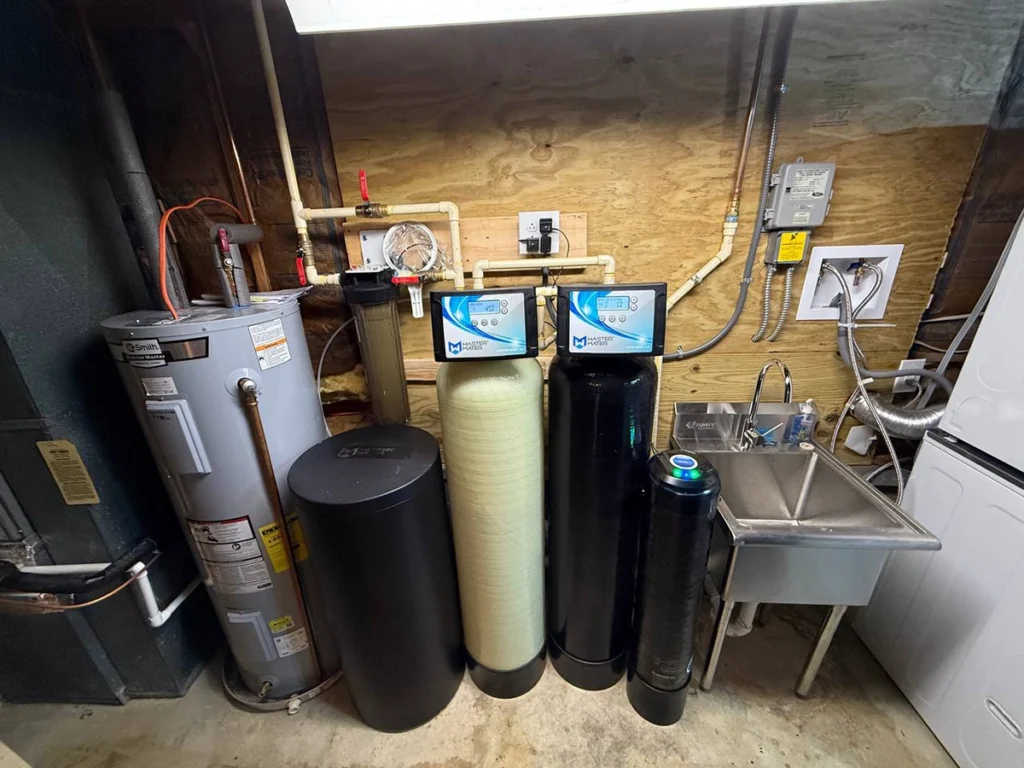
Water Softener for Well Water: Test First, Then Size the System to Your Hardness
Test the water before you buy a softener. Well water often carries hardness, iron and sediment that city water doesn't, and a result in grains per gallon tells you what the softener has to handle.
Read the Guide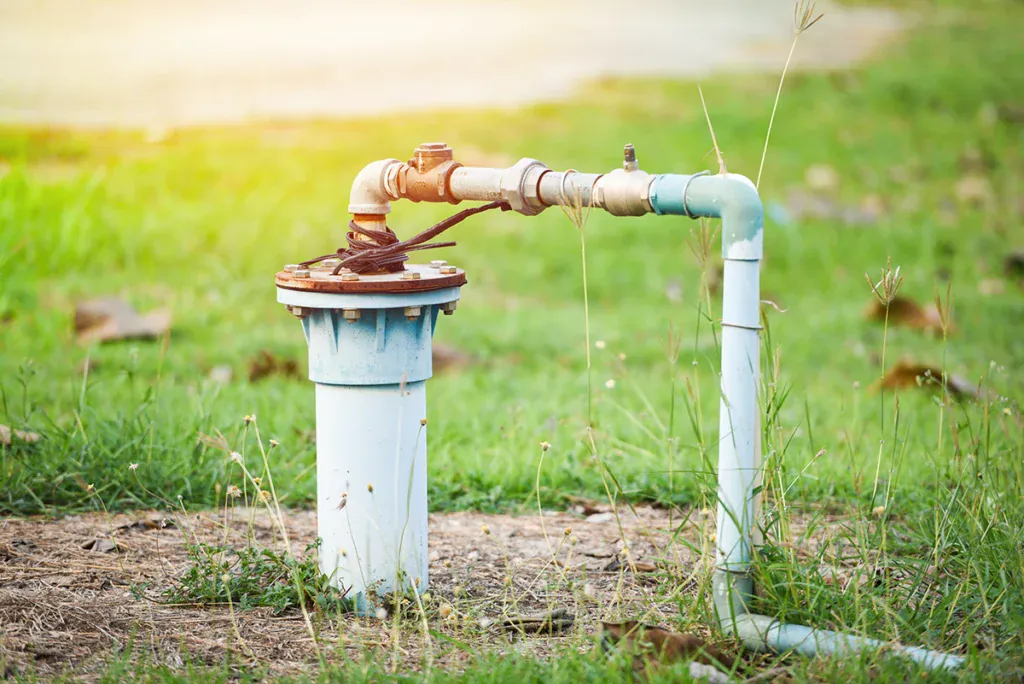
How Well Water Works, From the Aquifer to Your Faucet, Part by Part
How does groundwater get from the aquifer to your faucet? A pump near the bottom of the well pushes it up to a pressure tank that holds 40 to 60 PSI, and a switch restarts the pump whenever the pressure drops.
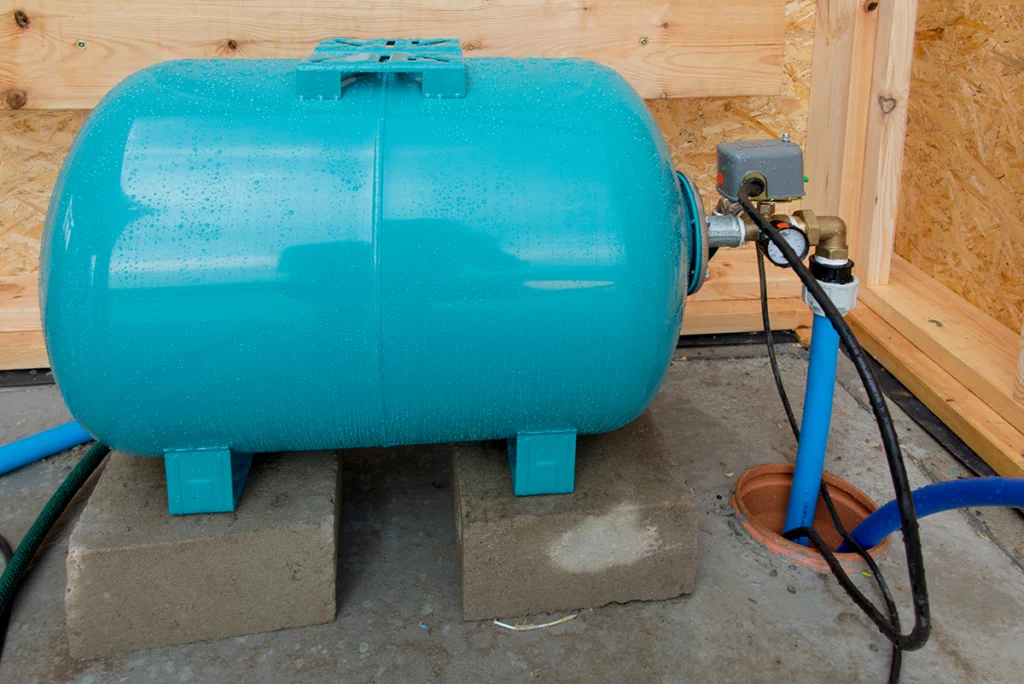
Well Pressure Tank: Three Signs It's Failing and How to Check It
Short cycling, uneven pressure and rust or leaks on a well tank point to a failed bladder or lost air charge. The check starts with a tire gauge.
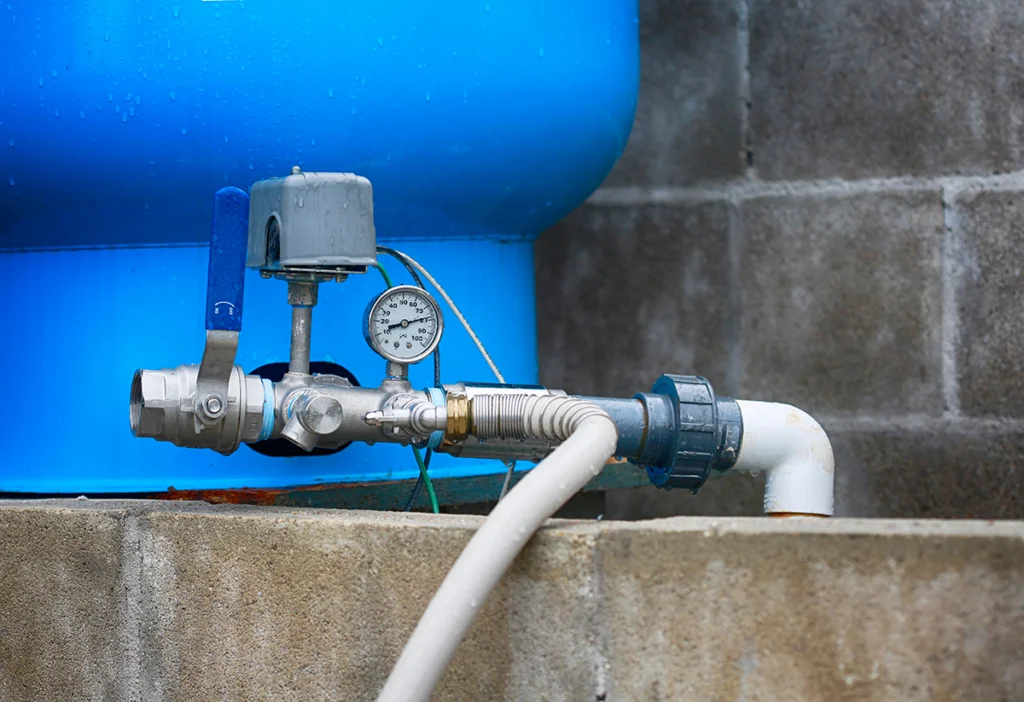
Four Signs Your Well Pressure Switch Is Failing and What Causes It
Short cycling, no pressure, a pump that won't shut off or pressure that swings all point to the switch that tells your well pump when to run. Here's why switches fail and how they're tested and replaced.

What a Well Pump House Does and How It Keeps Your Pump From Freezing
Inside a pump house sits the equipment that moves water from your well into the house, sheltered from freezing. Five signs say yours needs attention.
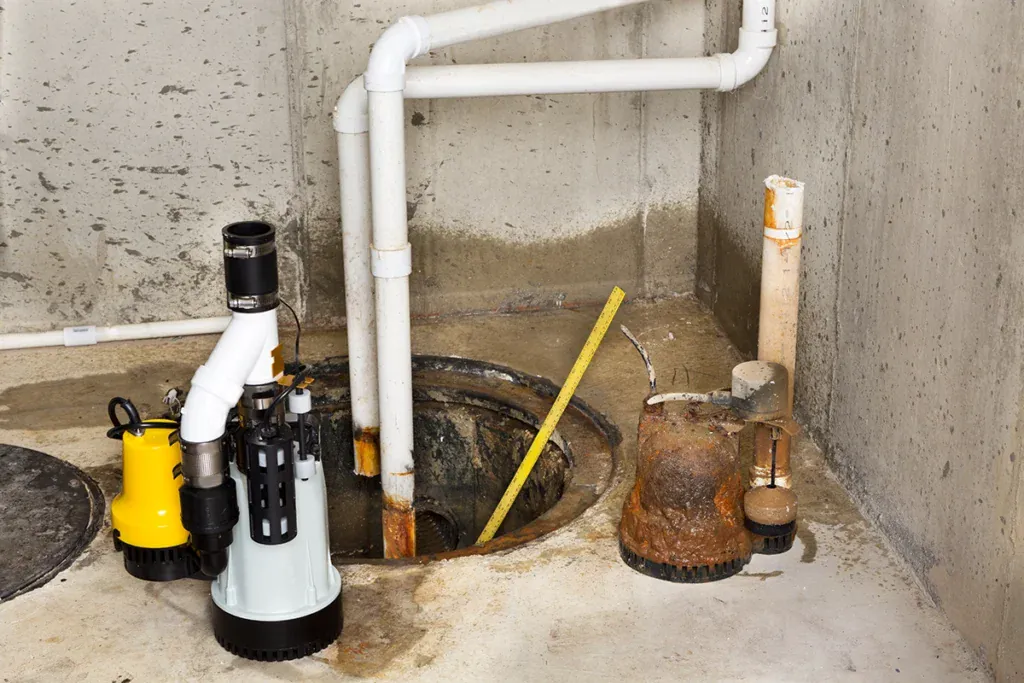
How Long Do Sump Pumps Last? 7 to 10 Years, and Five Signs Yours Is Near the End
Seven to 10 years is the usual life of a sump pump. How often yours runs, how it's built and how it's maintained decide where it lands in that range. A spring and fall check is the time to look for warning signs and replace a worn pump before the next storm.
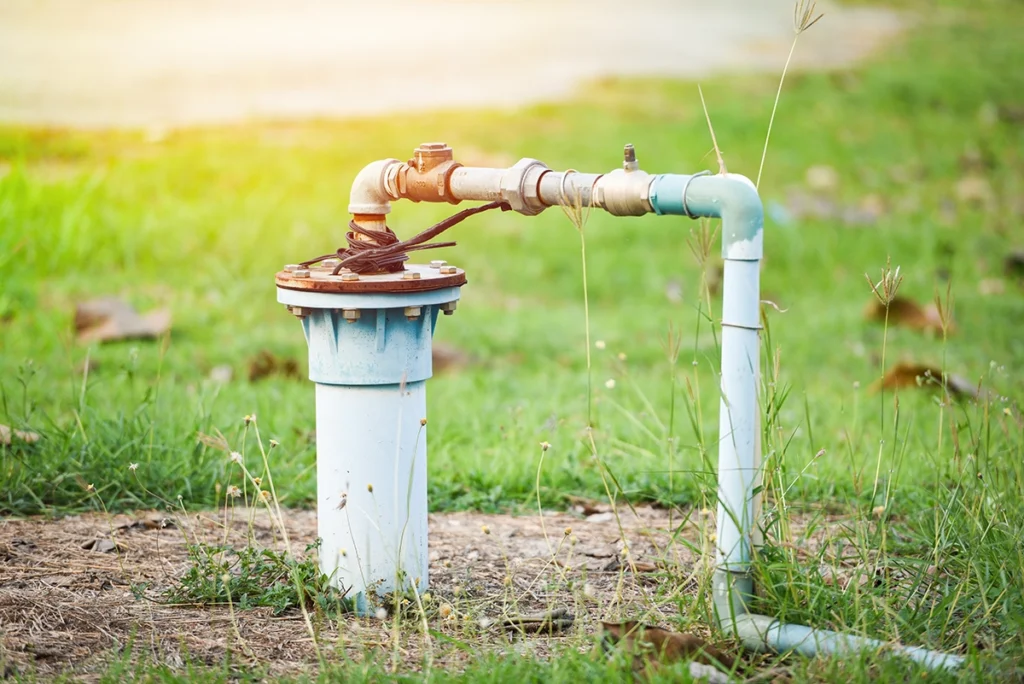
Prime a Well Pump in Six Steps and Get Your Water Running Again
When a well pump loses its prime, the faucets sputter or go dry. Six steps refill the pump with water so it can pull from the well again, and a few checks tell you why it happened.
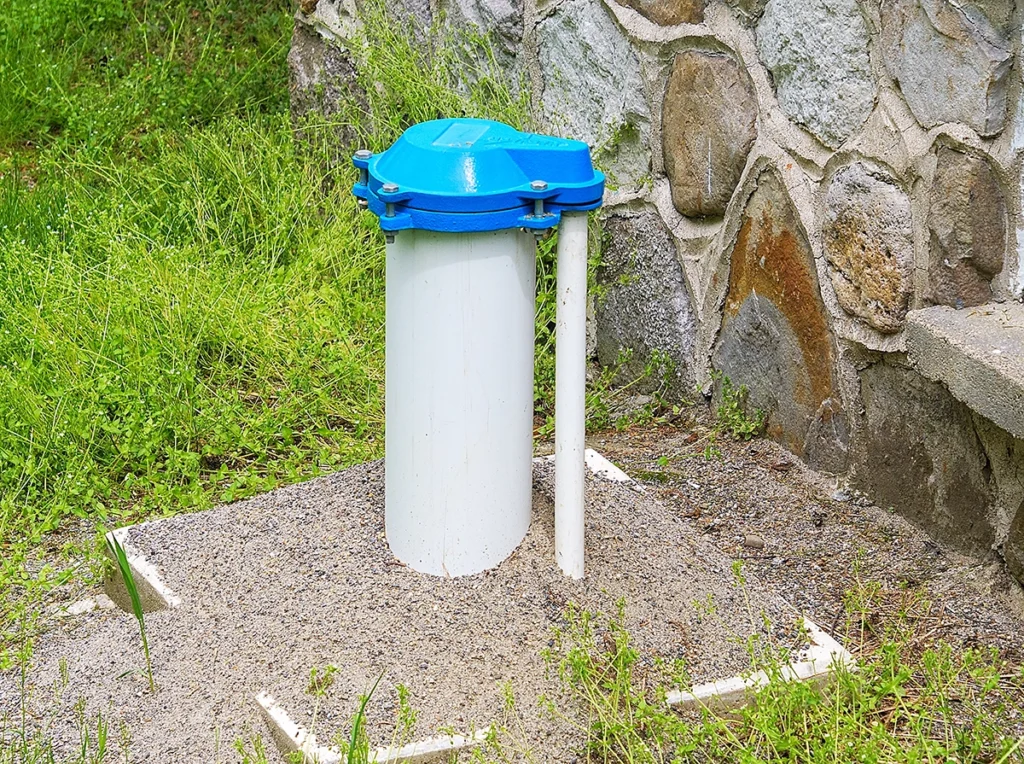
Well Pump Check Valve: What It Does and Five Signs It's Failing
When the pump shuts off, a check valve keeps water from draining back down the well. Lose that and both your pressure and your pump pay for it.
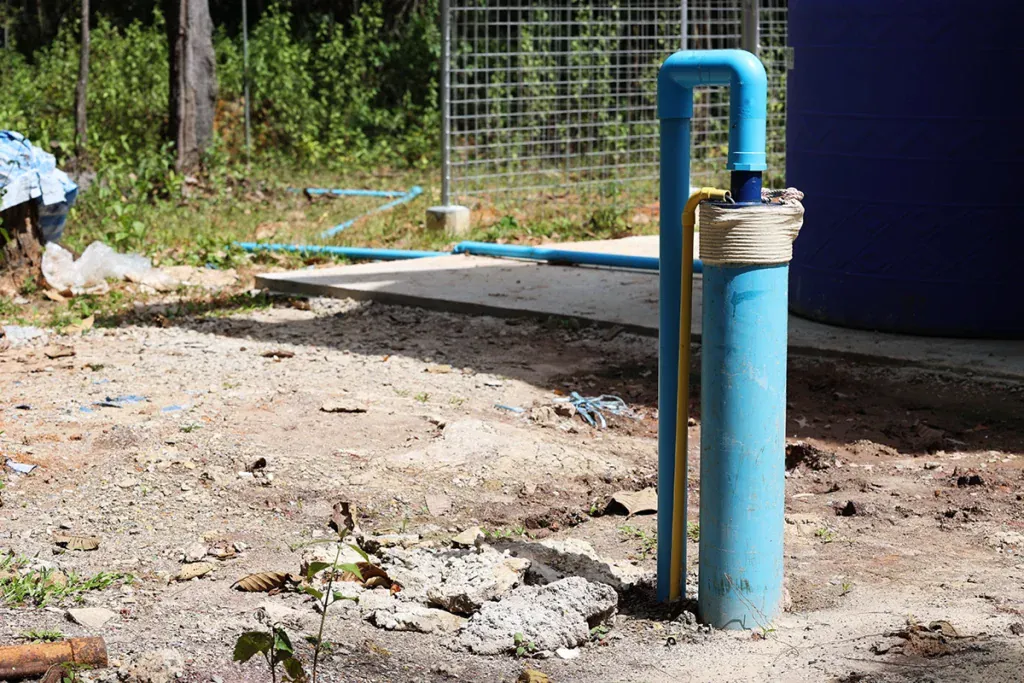
How a Submersible Well Pump Works, How Long It Lasts and the Signs It's Failing
Most submersible well pumps last 10 to 15 years. The pump sits below the water line, pushes water up to the pressure tank and shuts off once the tank reaches 40 to 60 psi.
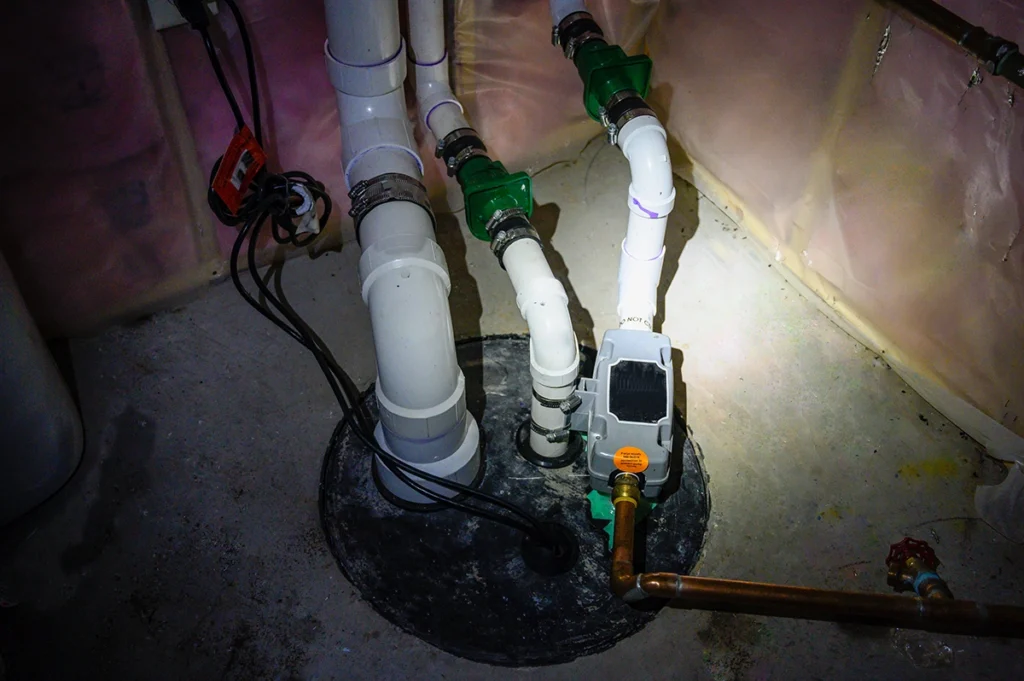
A $20 Sump Pump Alarm Can Warn You Before the Basement Floods
For around $20 to $40, a basic sump pump alarm sounds a siren when water rises in the pit. Wi-Fi models, at $100 to $300, send the alert to your phone.
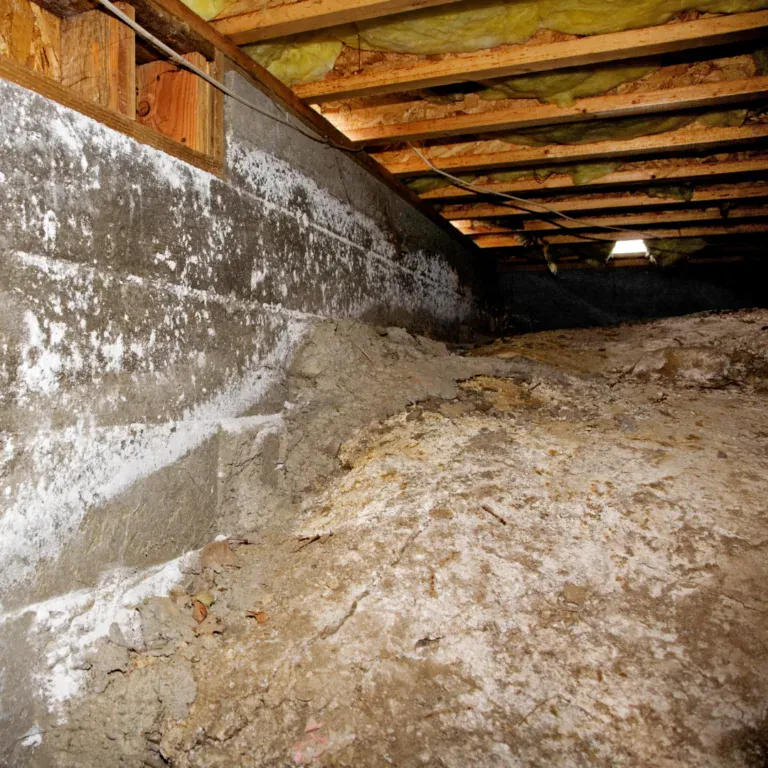
Does Your Crawl Space Need a Sump Pump? How One Keeps the Space Under Your House Dry
Rain, leaks and soil moisture all find their way into a crawl space, and damp air feeds mold. A sump pump collects that water in a pit and pumps it away from the foundation. More than one pump type can do the job.