PEX A vs PEX B: Flexibility, Freeze Resistance and Cost Compared
PEX A bends around corners and tolerates freezing better. PEX B is stiffer, resists kinks and costs less. The right pick depends on your home.
What Makes PEX Such a Popular Plumbing Material?
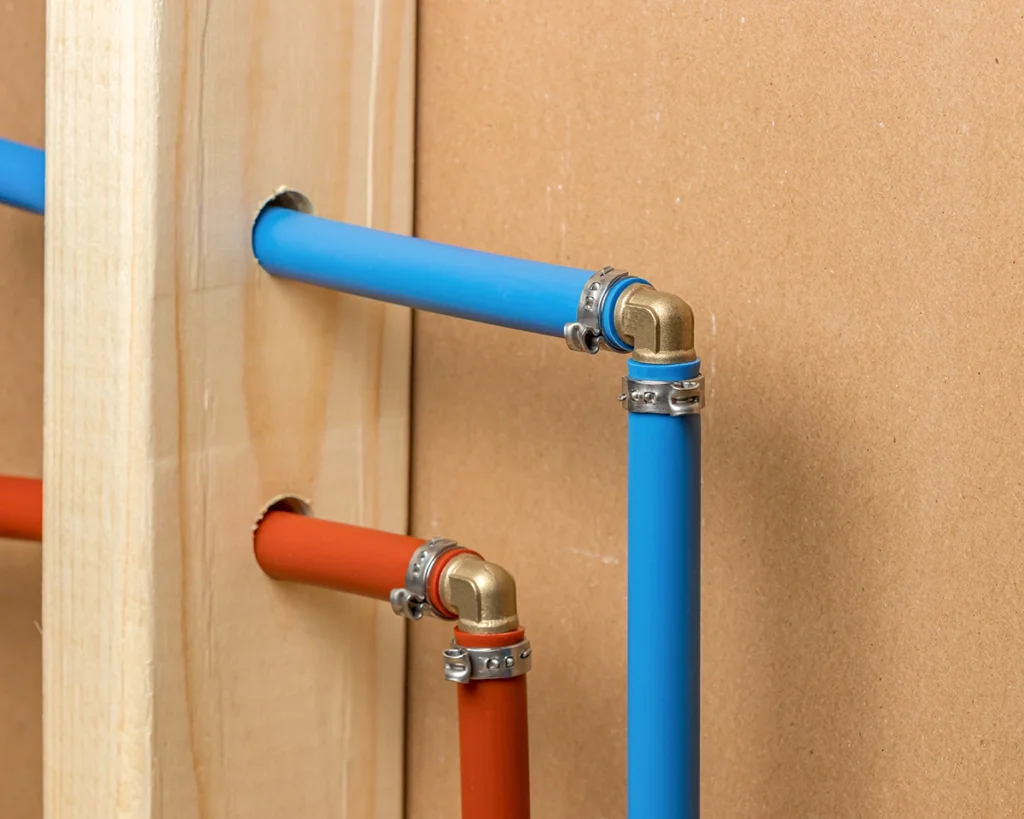
PEX has become a leading plumbing material because it handles pressure changes, temperature swings, and installation challenges with ease. It’s flexible, resistant to freezing damage, and easier to route through tight spaces. Although both PEX A and PEX B deliver solid performance, they behave differently in certain conditions.
PEX A expands more during cold weather, while PEX B delivers higher rigidity and cost savings. According to the American Society of Home Inspectors (ASHI), “modern cross-linked polyethylene is engineered for durability, tested extensively for temperature and chlorine resistance.”
Understanding PEX A vs PEX B in Everyday Use
Most conversations about PEX A vs PEX B come down to flexibility and expansion. PEX A bends smoothly around corners, which can reduce the need for fittings during installation. Fewer fittings mean fewer potential leak points, especially in homes with complex layouts.
PEX B is stiffer but still very strong. It doesn’t expand as much in freezing conditions but performs reliably in most climates and tends to be the more budget-friendly option.
Pros and Cons of PEX A vs PEX B
Advantages of PEX A:
- Exceptional flexibility
- Lower risk of cracking during freeze events
- Ideal for remodeling older homes
Limitations of PEX A:
- More expensive
- Can be easier to kink
Advantages of PEX B:
- Highly durable
- More budget-friendly
- Less prone to kinks
Limitations of PEX B:
- Less flexibility
- Slightly more fittings required
Why Flexibility Matters for DIY and Professional Repairs
Flexibility makes installation easier, and it also makes repairs simpler. In cold climates, a flexible material like PEX A can expand when temperatures drop, reducing the likelihood of a burst pipe.
Choosing Between PEX A vs PEX B for Long-Term Performance
Both types of PEX work well, but your home’s needs ultimately decide which option fits best. PEX A is often preferred in colder regions or homes with many tight bends. PEX B offers excellent durability at a lower price point and works well in straightforward layouts.
Final Thoughts: Which Type Truly Fits Your Home?
Both options are reliable, safe, and well-tested for residential plumbing. The deciding factors typically come down to climate, flexibility needs, and budget.
Frequently Asked Questions
What Lasts Longer, PEX A or PEX B?
Both types offer long lifespans, though PEX B’s rigidity often helps it maintain shape over time.
Is PEX A Safer for Freezing Climates?
PEX A tolerates expansion better, which can provide added protection during winter temperature drops.
Can PEX Be Used in Older Homes?
Yes. Both types work well in older properties, and PEX A’s flexibility helps in tight or irregular spaces.
Is PEX Safe for Everyday Residential Plumbing?
Yes. PEX A and PEX B are widely approved for residential water lines and perform reliably in most home plumbing systems.
Planning a Repipe or a Repair?
A Clog Heroes technician recommends the right pipe for your layout and gives you a written price before any work starts. Calls are answered 24/7 at (540) 518-2564.
Filed under Pipes & Fittings · All Guides
More Pipes & Fittings Guides
Drip Your Faucets Below 20°F: Which Taps, How Fast and for How Long
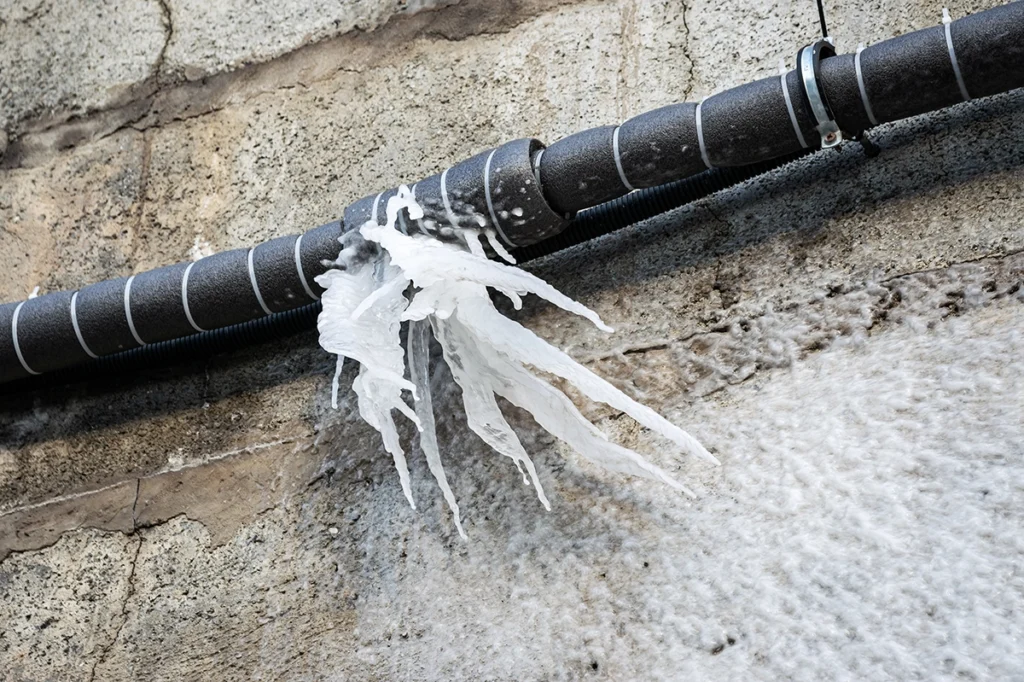
Once it stays below 20°F for several hours, unprotected pipes are at the most risk. Drip the right faucets at one drop every second or two, and know what to do if a pipe freezes anyway.
Copper Sweat vs. SharkBite: Which Joint Lasts Longer and When Each One Makes Sense
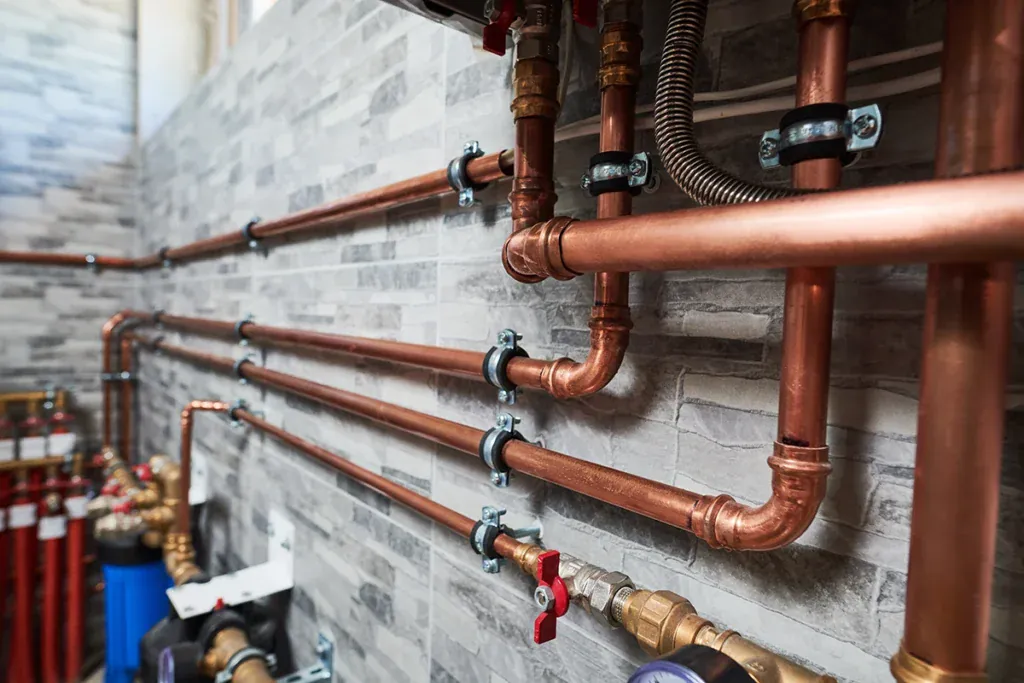
Decades for a soldered copper joint. Seconds for a SharkBite push fitting, which also works on CPVC and PEX. Durability, code and cost decide where each one belongs.
Polybutylene Plumbing: How to Spot It, Why It Fails and When to Replace It
Built between the late 1970s and the mid-1990s? Your house may have polybutylene, a flexible plastic supply pipe that breaks down from the inside. Spotting it is the first step in deciding whether to replace it.