Drain Guides
A slow sink, a gurgling tub, a floor drain that backs up after the laundry runs. These guides explain what each symptom points to and which fixes hold.
Drains Guides
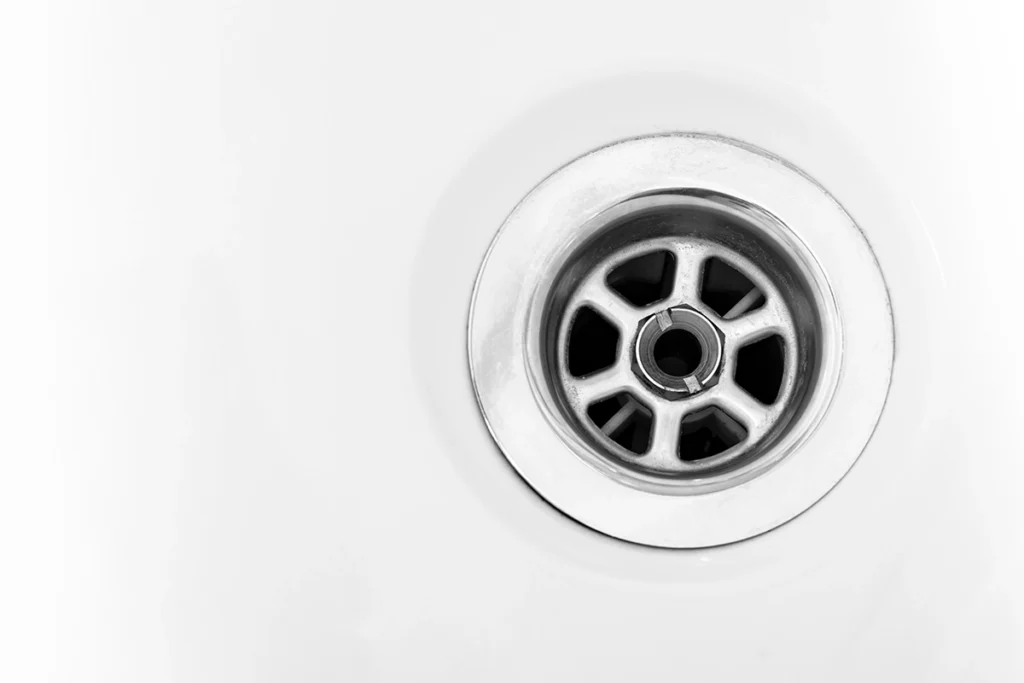
How to Get Rid of Drain Flies by Clearing the Slime They Breed In
Spraying adult drain flies won't stop them. They lay their eggs in the slime that lines slow and rarely used drains, so the fix is to find the drain they're using, clear it and keep it clean.
Read the Guide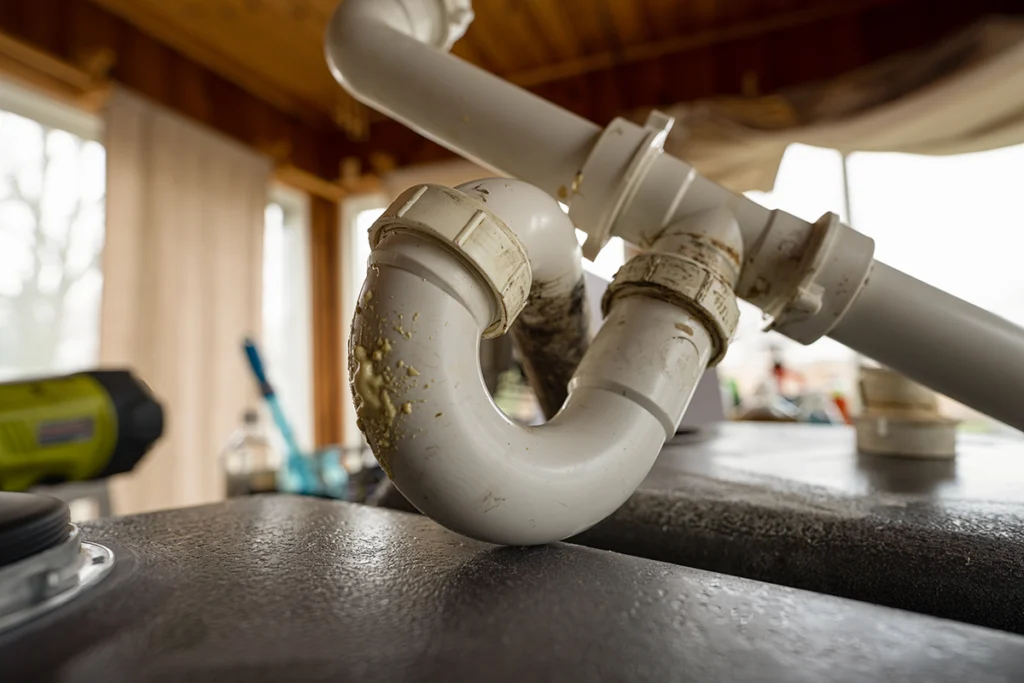
The P-Trap Under Your Sink: How It Blocks Sewer Gas and What to Do When It Fails
Two to four inches of water in the bend under your sink is all that keeps sewer gas out of the house. Code requires that trap, and it gives trouble in three ways: clogged, dry or leaking.
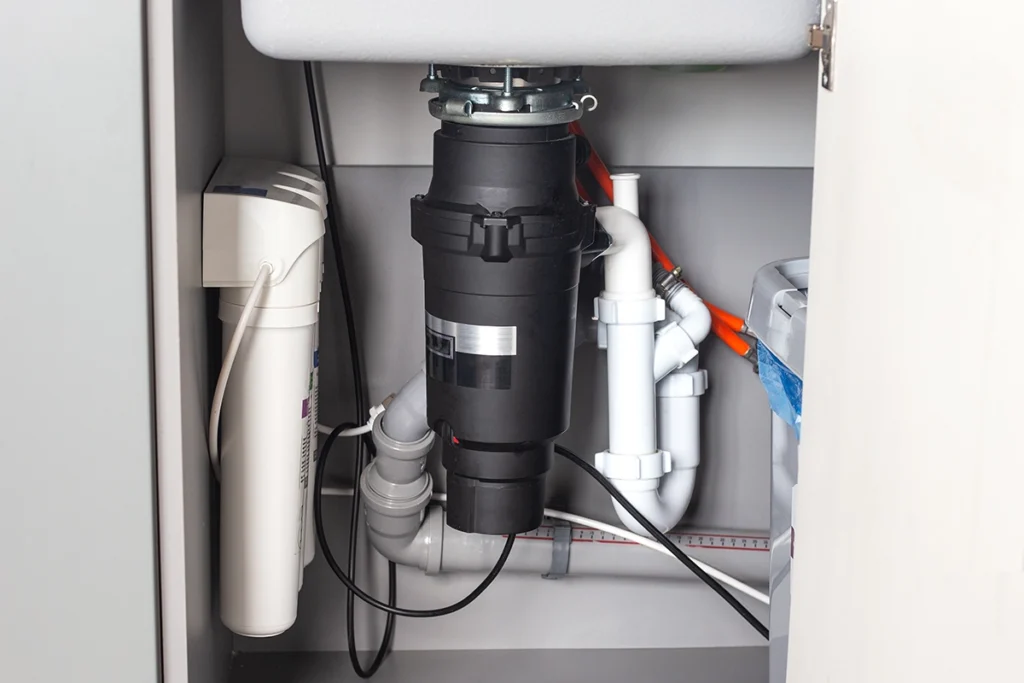
How P Traps and S Traps Work, and How to Tell Which One Is Under Your Sink
Both traps hold water to block sewer gas, but only the P trap holds it reliably. Here's how each design works, what code requires and how to identify yours.
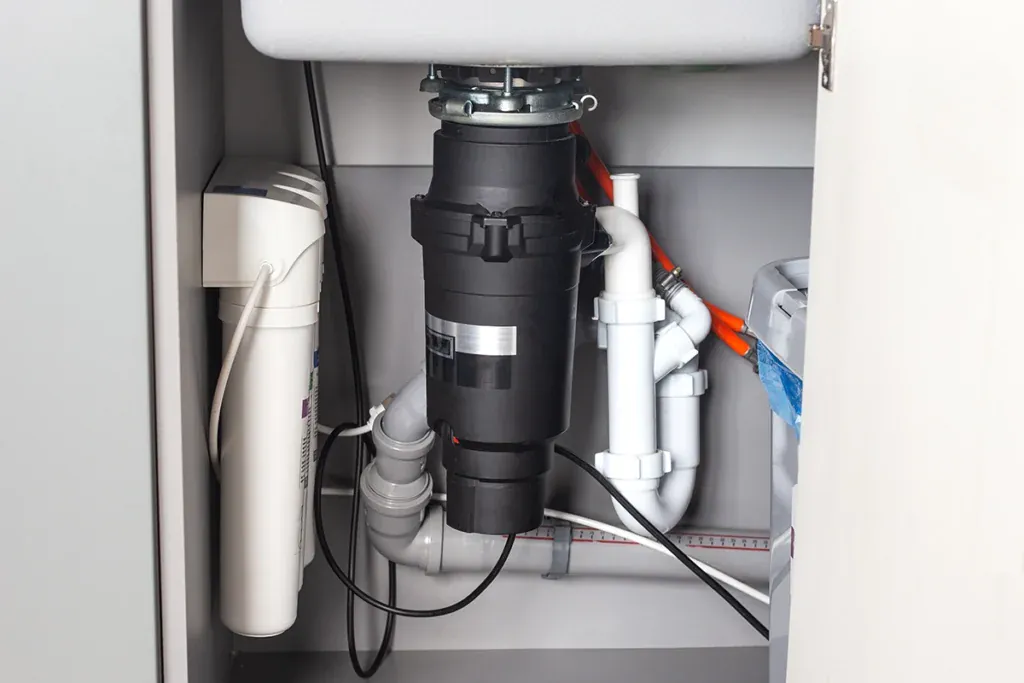
Garbage Disposal Clogged? Four Warning Signs, What Causes Them and What to Check First
Standing water, a hum with no grinding, a sour smell or a unit that won't start at all: each one points to a different problem. Some checks are safe to do yourself. Others mean it's time to call.
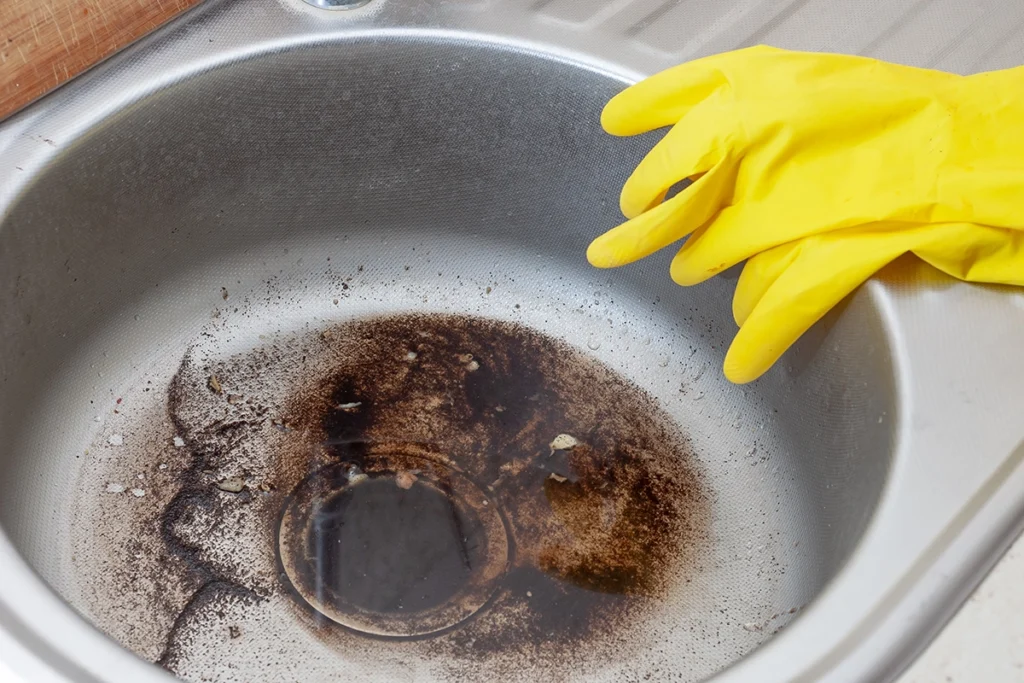
Kitchen Sink Clogged? Three Quick Checks, Then Three Fixes in the Right Order
Grease, food scraps and soap settle in the trap and the line behind the wall. Run three quick checks first. Then plunge, clean the trap and snake the drain, in that order.
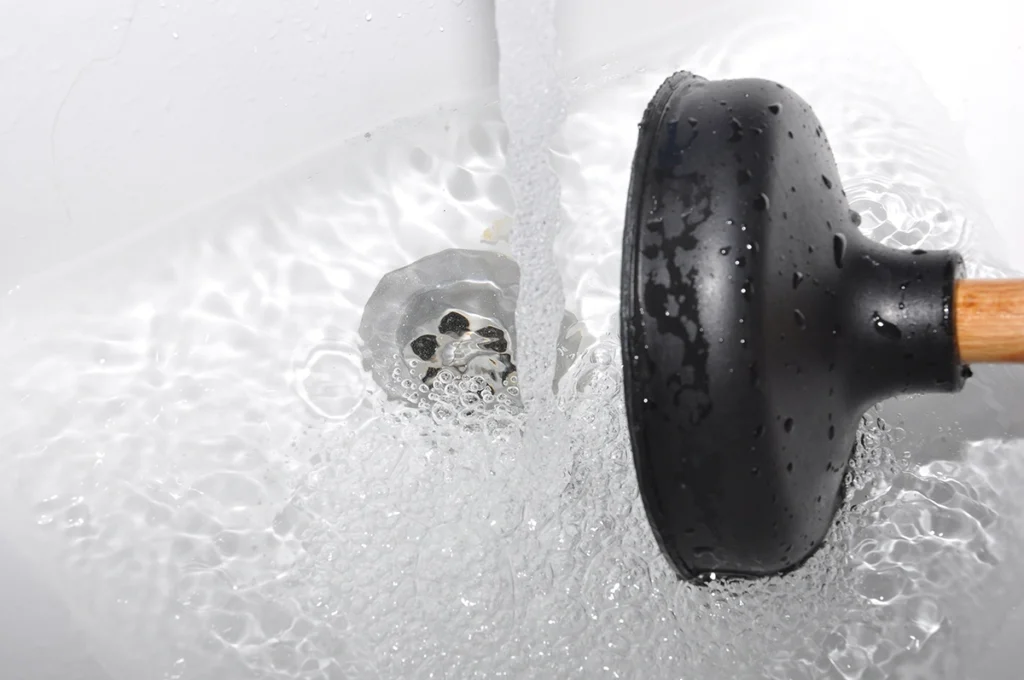
How to Clear a Bathtub Drain, Starting With the Hair Under the Stopper
Most bathtub clogs are hair and soap scum caught within a few inches of the drain. Start with the stopper, then work through a plunger, a plastic snake and a wet/dry vacuum before anything harsher.
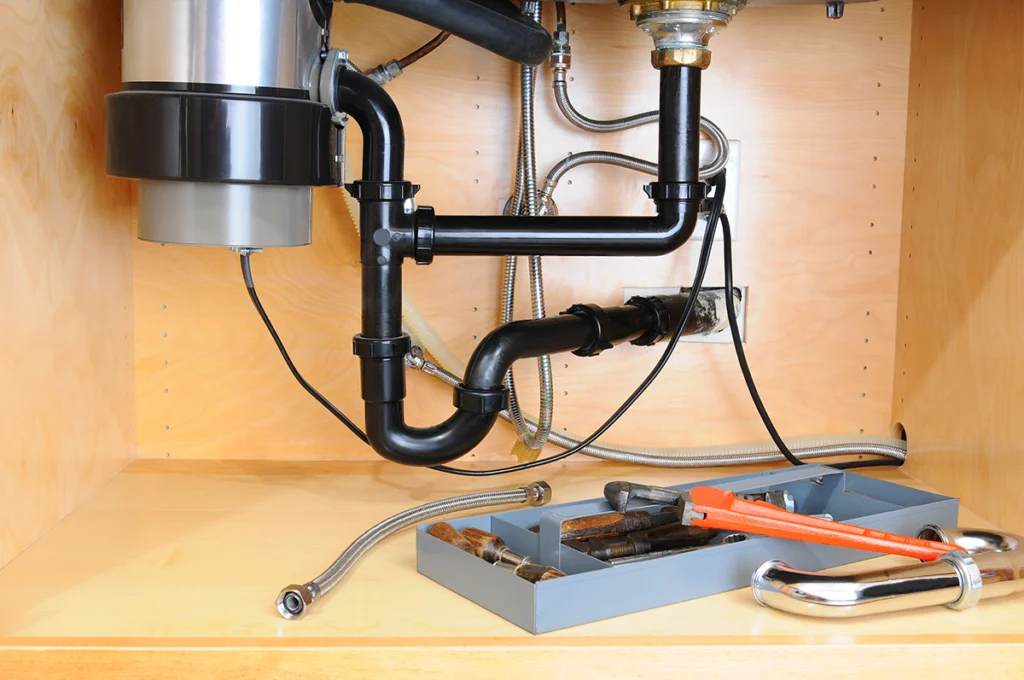
S Trap vs P Trap: Why Code Moved on From the S Trap and When to Replace Yours
An S trap can siphon its own water seal dry and let sewer gas into the room. A vented P trap keeps the seal. Check which one sits under your sink before deciding whether to switch.
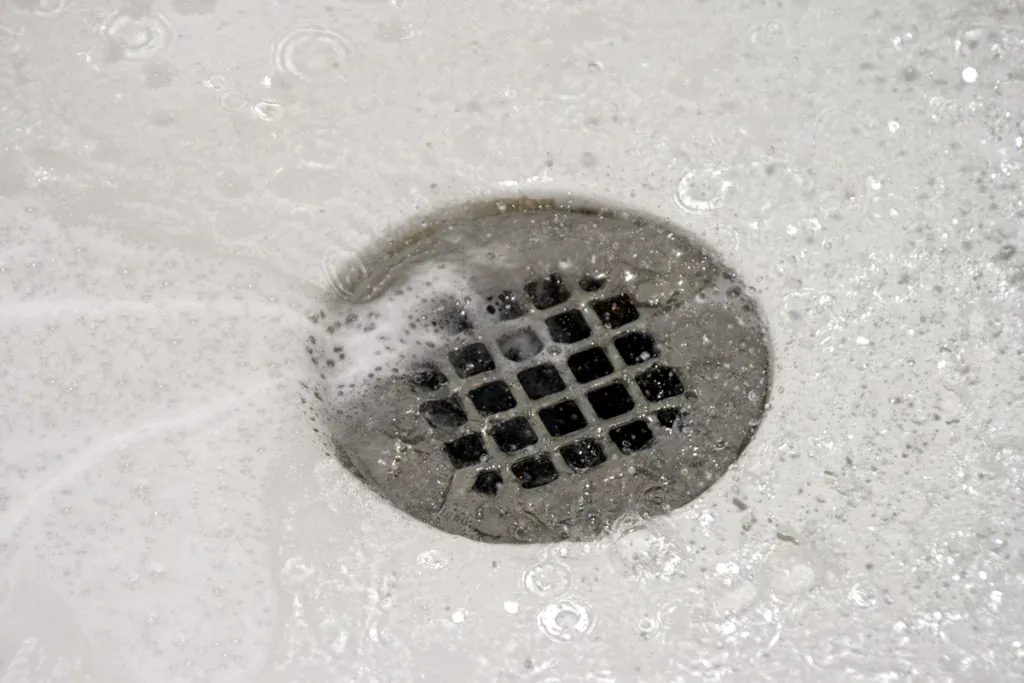
Shower Drain Size: Why 2 Inches Is the Standard and When a 1½-Inch Drain Won't Pass
Most modern showers need a 2-inch drain, and the International Plumbing Code that Virginia follows requires it for most showers. Older homes often have 1½-inch drains that struggle with today's shower heads.
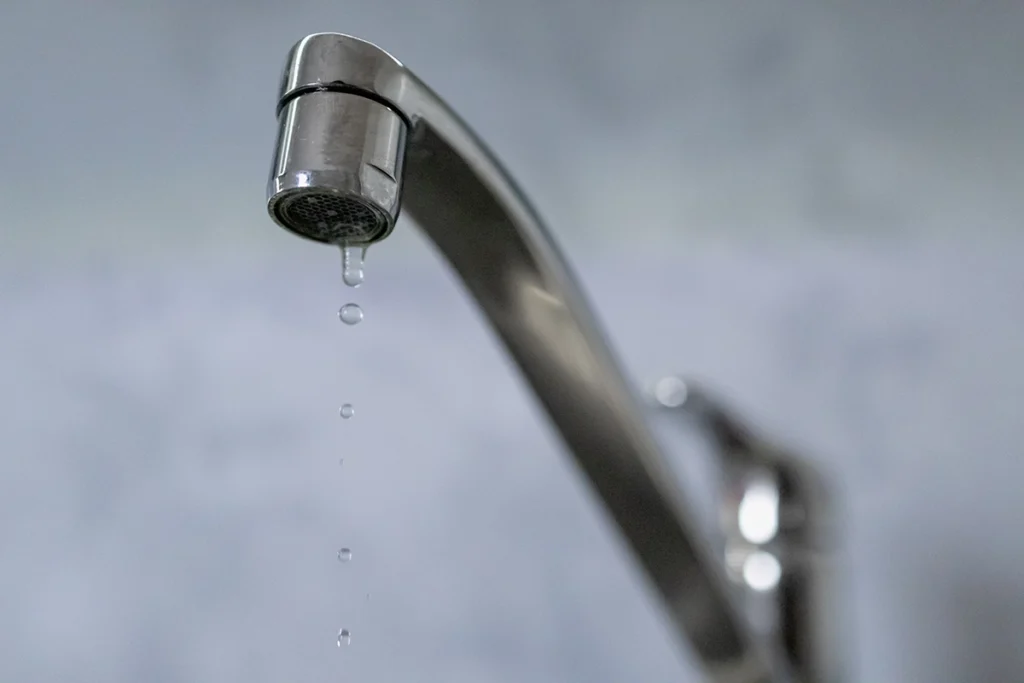
Low Water Pressure at the Kitchen Sink? Check the Aerator First, Then These Seven Things
When only the kitchen faucet runs weak, the cause is usually within a few feet of it. Start at the aerator, then work back through the cartridge, the shutoff valves and the supply lines.
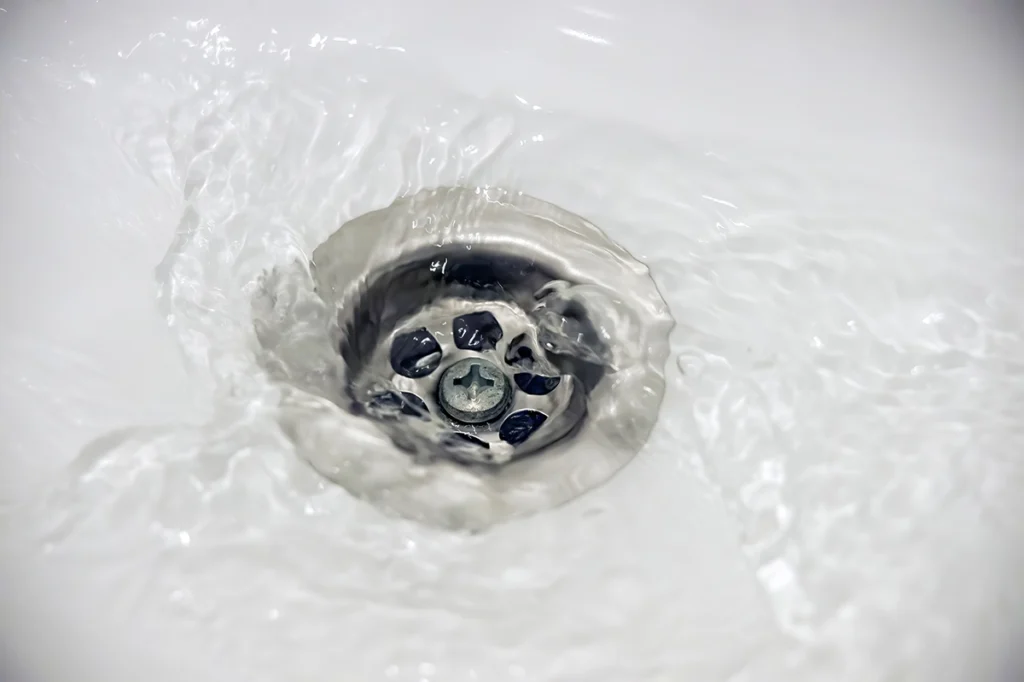
Five Types of Bathtub Drains: How Each One Works and Which Fits Your Tub
Toe-touch, lift-and-turn, trip lever, flip-it and pop-up drains each seal the tub a different way. Each has pros and cons, and they share a handful of common problems.
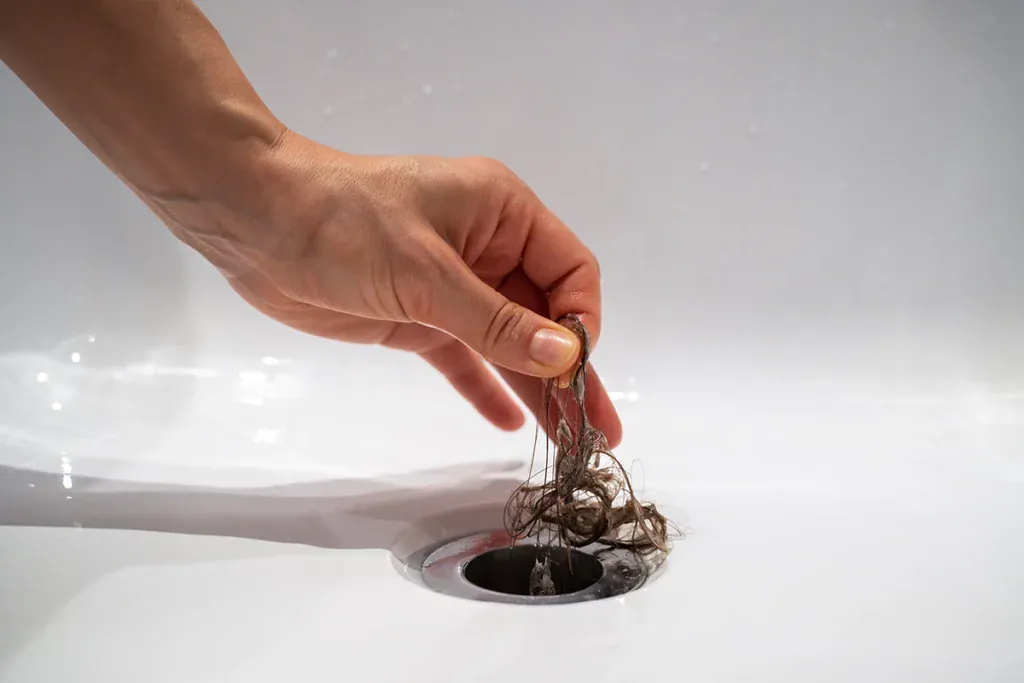
How to Get Hair Out of a Shower Drain: Four Methods, Easiest First
Start with a barbed plastic drain tool. It grabs tangled hair and pulls it out without harming the pipe. If that doesn't do it, a baking soda flush, a wet/dry vacuum or pulling the stopper or trap will.
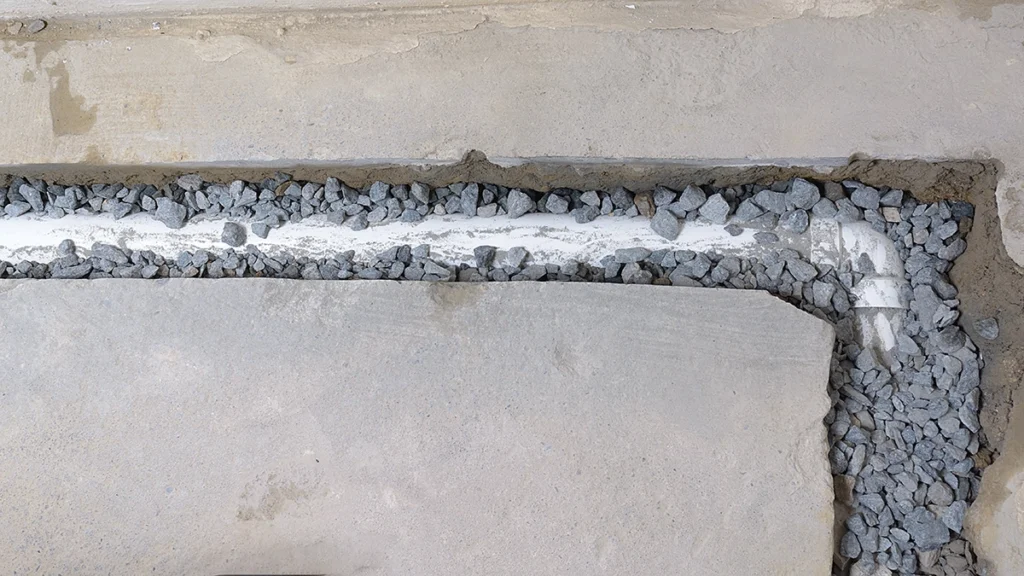
Footing Drains: How They Keep Groundwater Out of Your Basement and the Signs You Need One
A footing drain is a perforated pipe in gravel along the base of your foundation. It collects groundwater and carries it away before it reaches the basement. It isn't a French drain, and it can go in after the house is built, though that means digging around the foundation.
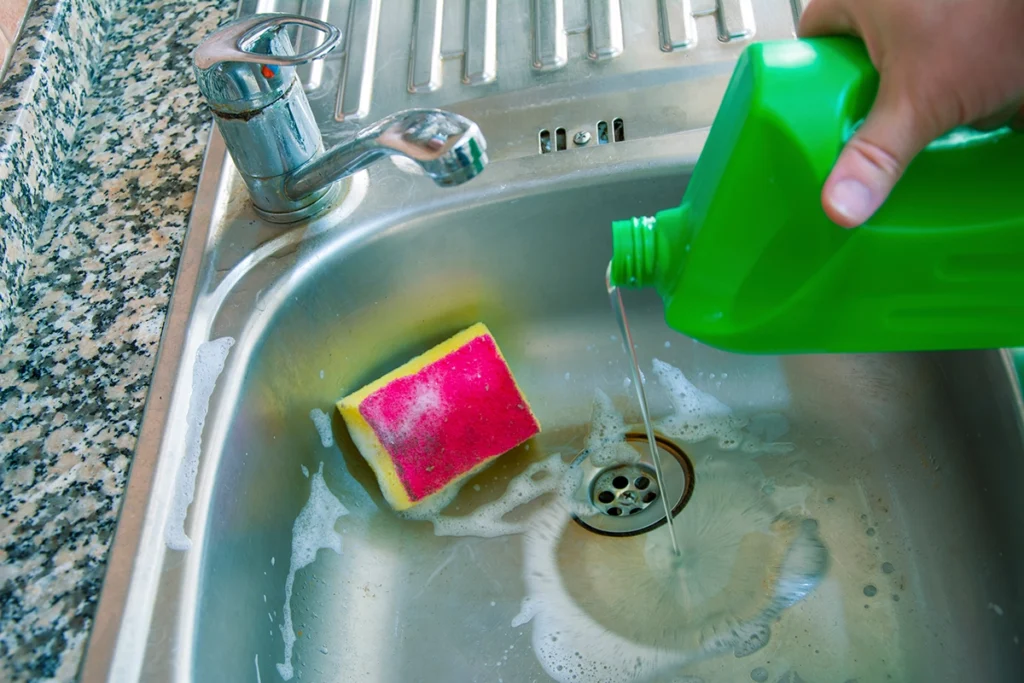
Bleach Only Kills Drain Flies for a While. Here's What Gets Rid of Them
Bleach kills a few adult flies and larvae on contact, then leaves behind the buildup they breed in. Four steps work better, and a strip of tape over the drain tells you when they're gone.