Reducer Fittings: Why Pipe Size Changes Matter and When to Use One
Pressure problems, leaks and poor flow can all start where two pipe sizes meet without a reducer. The fitting joins them so water keeps flowing smoothly, and some installs are a job for a pro.
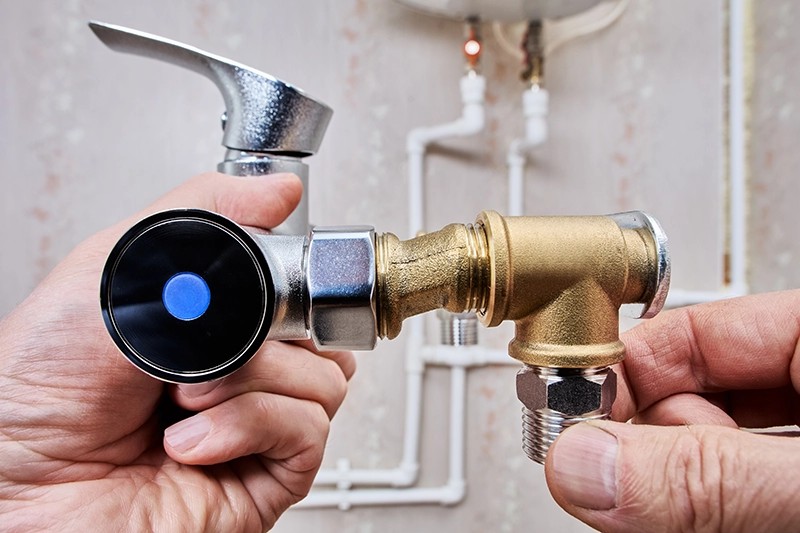
Standing in the plumbing aisle can feel overwhelming. You’re staring at shelves full of parts, wondering to yourself, “why use a reducer fitting on a plumbing system?” Here at Clog Heroes in Fredericksburg, we get this question all the time. Let’s cut through the confusion and talk about these essential components in plain English.
Understanding Why to Use a Reducer Fitting on a Plumbing System: Simple Facts
These fittings work like a highway merging from three lanes into two – they help things flow smoothly. Without them, you’d hit traffic jams in your pipes. As a result, you might face pressure problems, leaks, or poor water flow. The right reducer fitting keeps everything running the way it should.
The Real Science Behind Pipe Sizing
Take a look at any Fredericksburg home, especially the older ones downtown. You’ll find different pipe sizes running throughout the whole system. It’s like trying to connect a garden hose to a pressure washer – they just don’t match up on their own. Therefore, reducer fittings step in to bridge these gaps. They’re the unsung heroes of your plumbing system.
Why Use a Reducer Fitting on a Plumbing System: Real Benefits
Local homeowners often discover these benefits the hard way. However, after seeing hundreds of Fredericksburg homes, we’ve noticed that proper reducer fittings consistently help with:
- Keeping water pressure steady and strong
- Stopping pipes from wearing out too fast
- Quieting down those weird plumbing noises
- Helping control monthly water costs
Clearly, the advantages are hard to ignore.
Common Applications Around Town
In Fredericksburg’s diverse housing market, ranging from historic downtown homes to newer developments, reducer fittings play a crucial role. For instance, they’re particularly important when connecting main water lines to household plumbing or installing new fixtures that require different pipe sizes than existing ones.
Installation: Professional vs. DIY
While some home projects are perfect for DIY enthusiasts, reducer fitting installation requires careful consideration. For example, the right tools, proper measurements, and understanding of local plumbing codes all factor into a successful installation. Consequently, saving money upfront by doing it yourself can often lead to costly repairs later.
When Things Go South
Skip the reducer fitting or put it in wrong, and watch what happens:
- Water pressure goes haywire
- Bills start climbing for no reason
- Leaks pop up out of nowhere
- Pipes wear out way too soon
Why Go Pro
Licensed plumbers (like us at Clog Heroes) know more than just which wrench to use. In addition, we understand how Fredericksburg’s water system affects your home plumbing. This know-how keeps your reducer fittings working right year after year.
Smart Choices Matter: Why Use a Reducer Fitting on a Plumbing System
When wondering why to use a reducer fitting on a plumbing system, think beyond just connecting pipes. Your whole plumbing system needs to work together. Consequently, doing the job right the first time saves both money and stress down the road.
Got questions about reducer fittings? Need a hand with your plumbing? Reach out to Clog Heroes – we’re your neighbors here in Fredericksburg. We’ve got your back when it comes to keeping those pipes flowing smoothly.
Not Sure Which Fitting You Need?
A Clog Heroes technician sizes and installs the right fitting and gives you a written price before any work starts. Calls are answered 24/7 at (540) 518-2564.
Filed under Pipes & Fittings · All Guides
More Pipes & Fittings Guides
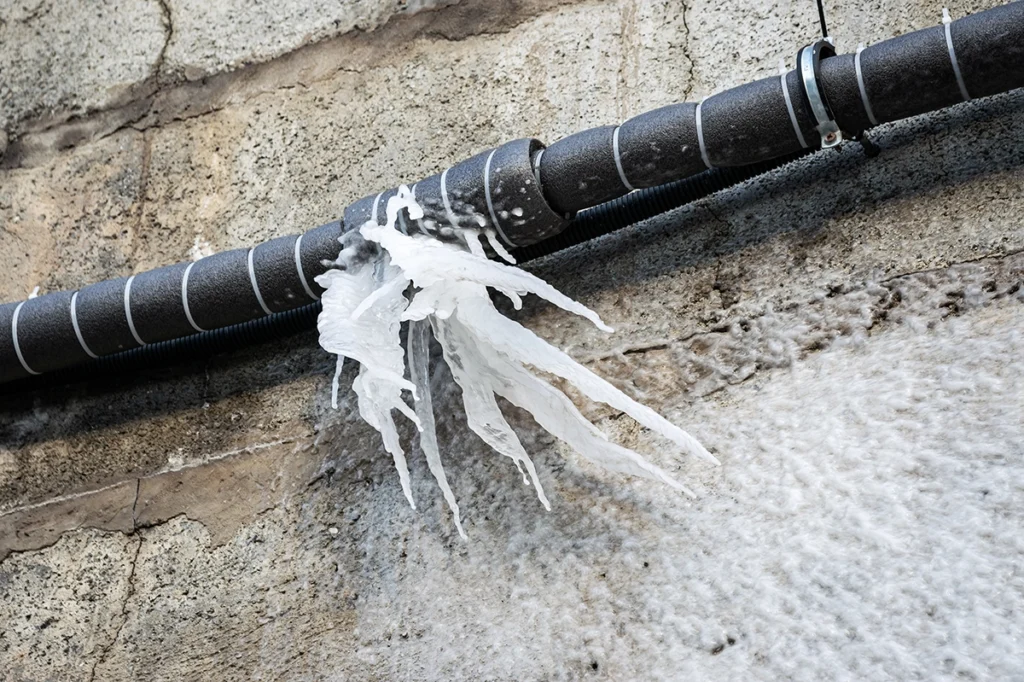
Drip Your Faucets Below 20°F: Which Taps, How Fast and for How Long
Once it stays below 20°F for several hours, unprotected pipes are at the most risk. Drip the right faucets at one drop every second or two, and know what to do if a pipe freezes anyway.
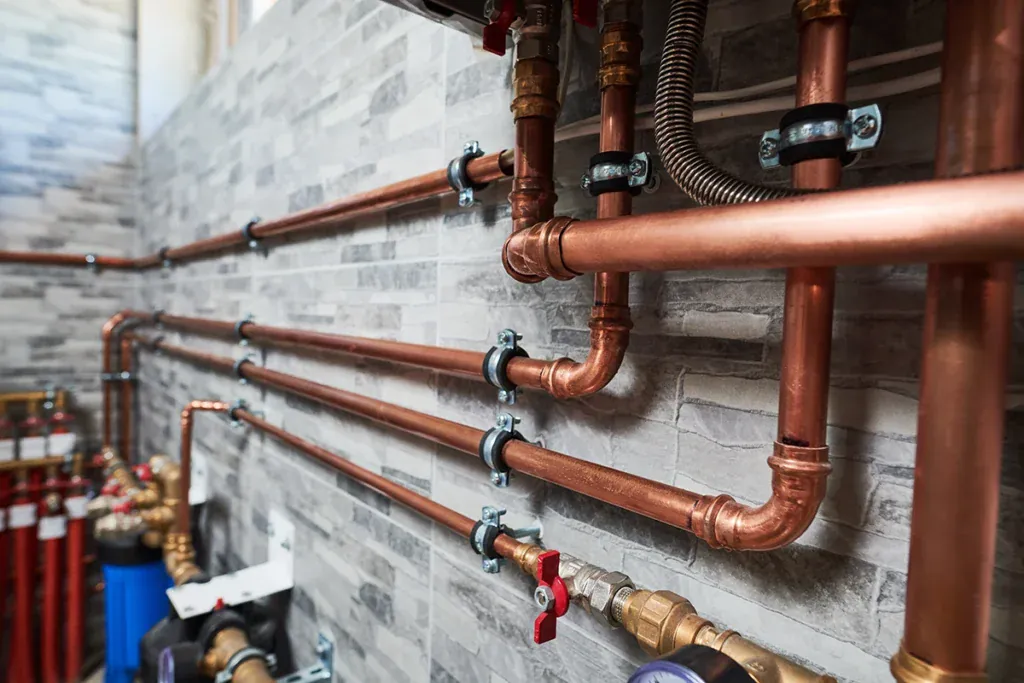
Copper Sweat vs. SharkBite: Which Joint Lasts Longer and When Each One Makes Sense
Decades for a soldered copper joint. Seconds for a SharkBite push fitting, which also works on CPVC and PEX. Durability, code and cost decide where each one belongs.
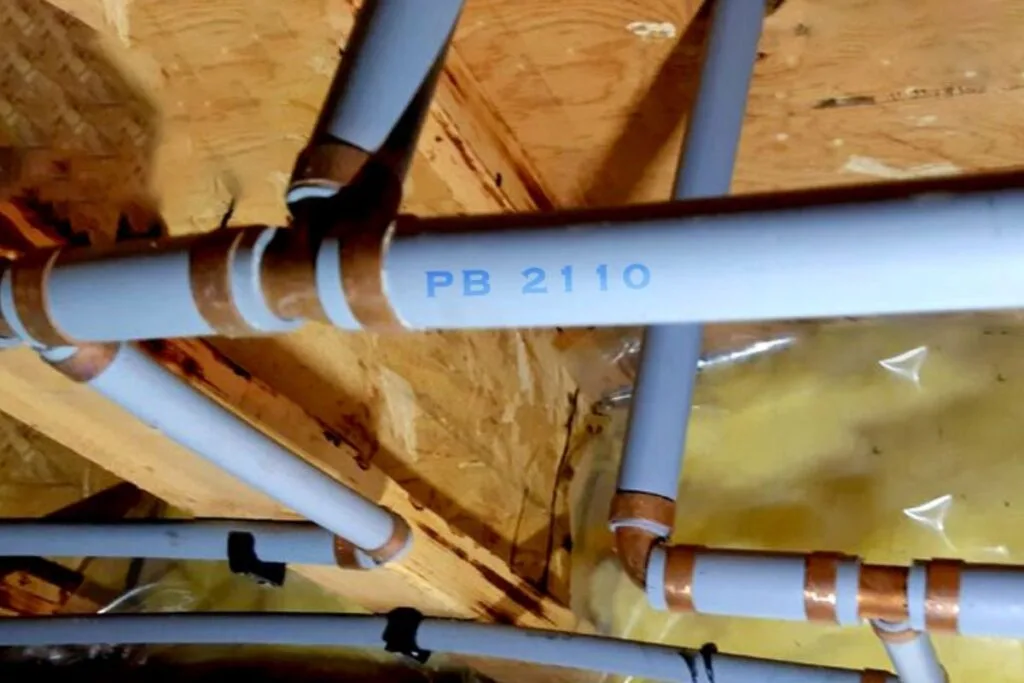
Polybutylene Plumbing: How to Spot It, Why It Fails and When to Replace It
Built between the late 1970s and the mid-1990s? Your house may have polybutylene, a flexible plastic supply pipe that breaks down from the inside. Spotting it is the first step in deciding whether to replace it.