Heat Tape on Water Pipes: Where It Goes, How to Install It Safely and How Long It Lasts
Expect 3 to 5 years from most heat tape, the electric cable that keeps exposed pipes above freezing. Before you wrap a pipe, learn the difference between manual and self-regulating tape and the four installation mistakes to avoid.
What Is Heat Tape on Water Pipes?
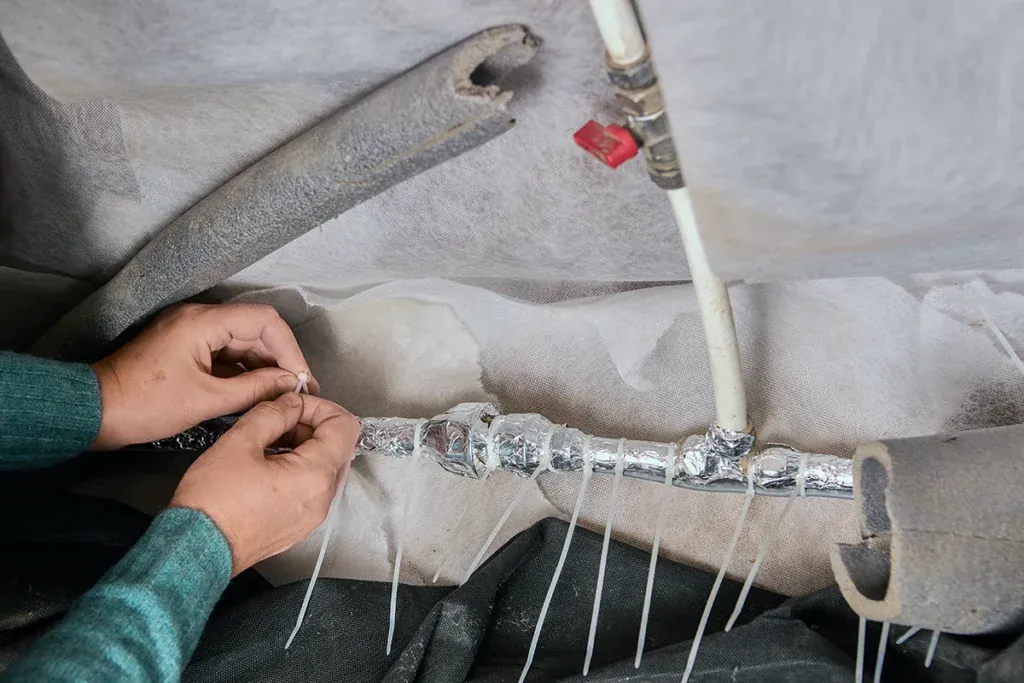
Heat tape on water pipes is an electric cable designed to wrap around or run along plumbing lines to prevent them from freezing. When it’s plugged in, it gently warms the pipe surface, keeping water from turning to ice.
There are two main types of heat tape:
- Manual heat tape, which you turn on and off as needed.
- Self-regulating heat tape, which automatically adjusts its heat output based on the surrounding temperature.
Both options work well, but self-regulating tape is usually safer and more energy-efficient.
Why Use Heat Tape on Water Pipes?
When water freezes inside a pipe, it expands. That pressure can cause the pipe to burst—sometimes with enough force to flood an entire basement or crawlspace. Installing heat tape on water pipes helps you prevent that by keeping the temperature inside your plumbing above freezing.
According to the American Red Cross, “adding insulation and heat tape to exposed water lines is one of the most effective ways to prevent pipes from freezing and bursting during cold weather.” Prevention is always cheaper than repair.
Even in milder regions, a single cold snap can do serious damage. Exposed pipes under sinks, in crawl spaces, and along exterior walls are prime candidates for protection.
Where to Install Heat Tape on Water Pipes
Knowing where to install heat tape is just as important as knowing how.
Here’s where you’ll get the most benefit:
- Outdoor spigots (especially if they’re not frost-free)
- Crawl spaces or basements with poor insulation
- Pipes in exterior walls or unheated garages
- Water lines for mobile homes or RVs
Make sure the tape is applied directly to the pipe’s surface and then covered with proper pipe insulation. That combination—heat tape plus insulation—gives the best protection and efficiency.
How to Safely Use Heat Tape on Water Pipes
Safety is a big part of this conversation. When installing heat tape on water pipes, always read the manufacturer’s instructions. Not all products are rated for every type of pipe or outdoor exposure.
A few technician-approved safety tips:
- Avoid overlapping the tape. That’s a common cause of short circuits.
- Use a GFCI outlet. It protects against electric shock.
- Inspect it yearly. Look for cracks, frays, or damaged insulation before winter hits.
How Long Does Heat Tape Last?
Most quality heat tape products last between 3 and 5 years, though some self-regulating versions can go longer. Like any electrical component, lifespan depends on installation quality, exposure, and maintenance.
A quick five-minute check can save you thousands in repairs before winter.
Common Mistakes Homeowners Make With Heat Tape
Even the best products can fail if they’re not used correctly. Some of the biggest mistakes include:
- Using indoor-rated tape outdoors
- Wrapping tape over insulation instead of under it
- Leaving loose ends exposed
- Plugging tape into non-GFCI outlets
If you’re unsure, don’t take chances. A professional installation ensures proper contact, safety, and efficiency.
What Makes Heat Tape on Water Pipes Worth It?
Installing heat tape on water pipes is a simple, low-cost way to prevent expensive water damage. It gives you peace of mind during cold weather and keeps your plumbing system in top shape all year.
Final Thoughts: Why You Should Use Heat Tape on Water Pipes
Prevention beats repair every time. A little preparation now can save you thousands later—and a lot of stress when temperatures drop.
FAQs
How Long Should I Leave Heat Tape on My Water Pipes?
Leave it plugged in during freezing conditions, especially overnight. Self-regulating heat tape can stay plugged in all winter safely.
Can I Install Heat Tape Myself?
Yes, but only if you’re comfortable working with electrical components and follow the manufacturer’s instructions closely.
Does Heat Tape Use a Lot of Electricity?
Not much—most systems use about the same energy as a light bulb. It’s a small price to pay for preventing frozen or burst pipes.
Pipes Froze Last Winter?
A Clog Heroes technician repairs the damaged section and gives you a written price before any work starts. Calls are answered 24/7 at (540) 518-2564.
Filed under Pipes & Fittings · All Guides
More Pipes & Fittings Guides
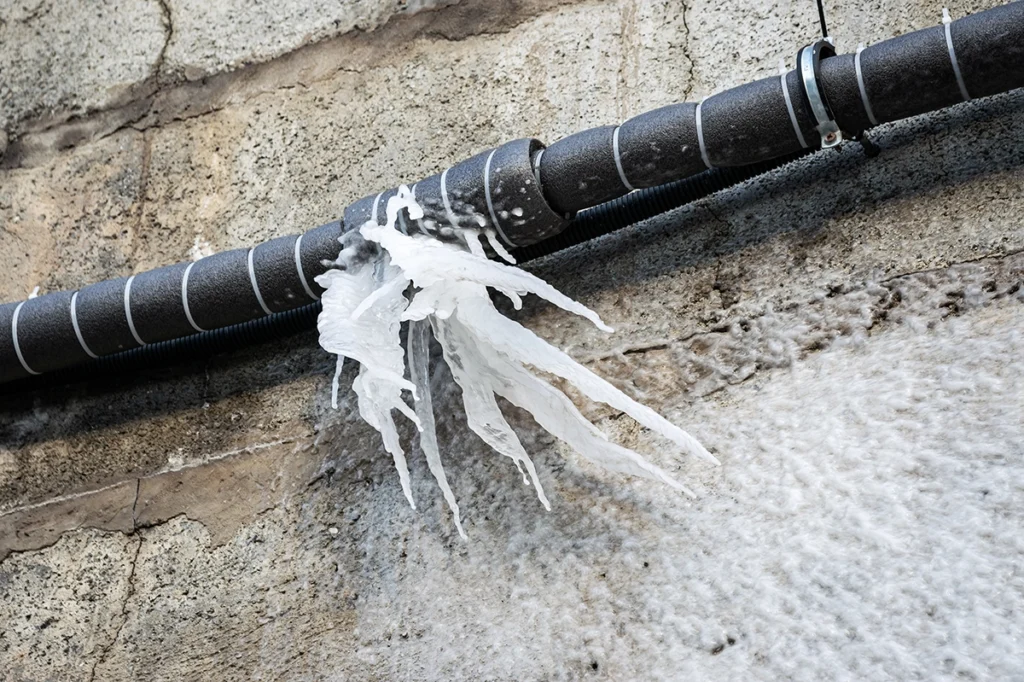
Drip Your Faucets Below 20°F: Which Taps, How Fast and for How Long
Once it stays below 20°F for several hours, unprotected pipes are at the most risk. Drip the right faucets at one drop every second or two, and know what to do if a pipe freezes anyway.
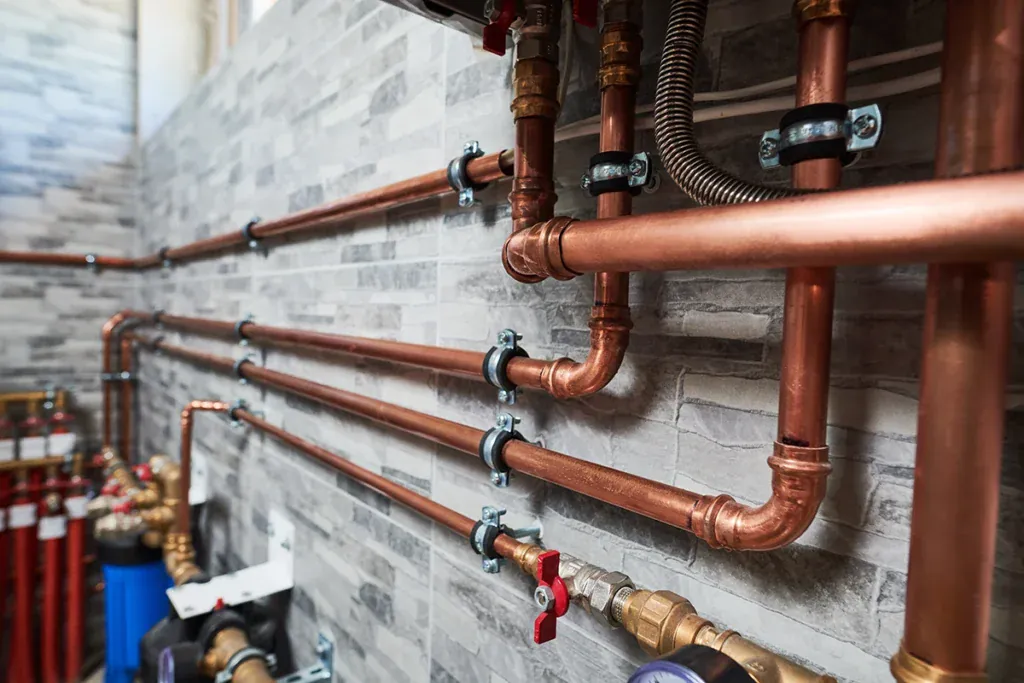
Copper Sweat vs. SharkBite: Which Joint Lasts Longer and When Each One Makes Sense
Decades for a soldered copper joint. Seconds for a SharkBite push fitting, which also works on CPVC and PEX. Durability, code and cost decide where each one belongs.
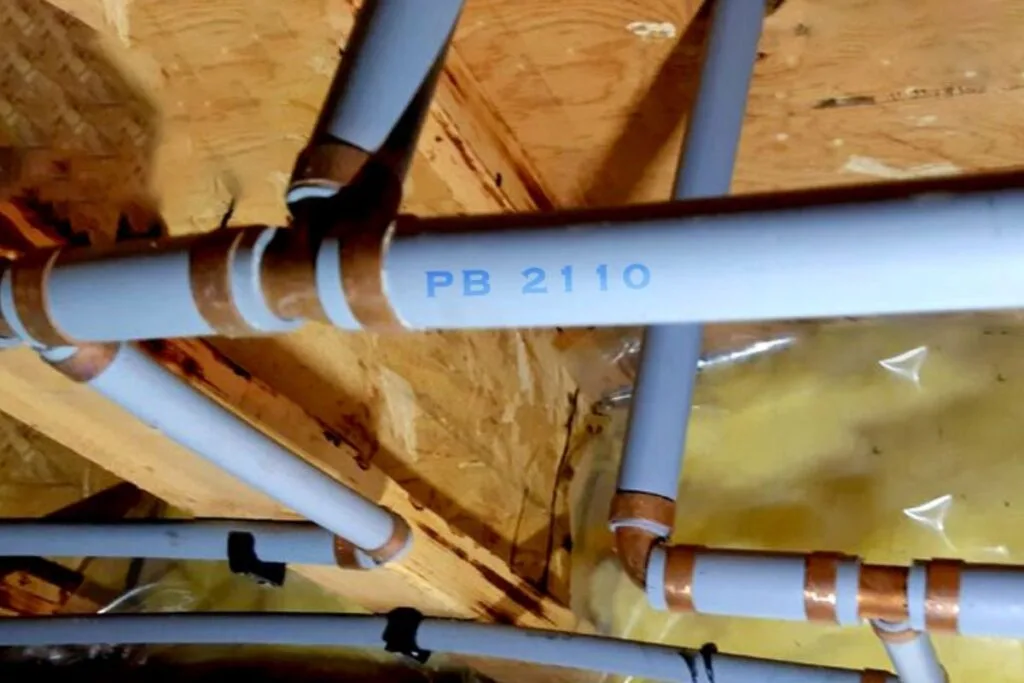
Polybutylene Plumbing: How to Spot It, Why It Fails and When to Replace It
Built between the late 1970s and the mid-1990s? Your house may have polybutylene, a flexible plastic supply pipe that breaks down from the inside. Spotting it is the first step in deciding whether to replace it.