Plumbing Guides From Clog Heroes
Straight answers on the drain, sewer, water heater, well and toilet problems we see in Fredericksburg-area homes.
All Guides
Slab Leak Repair: How the Leak Is Found, the Three Ways It's Fixed and How Long It Takes
Most slab leak repairs take one to three days, and waiting only adds to the damage. Once the leak under the foundation is pinpointed, the choice is rerouting, epoxy coating or direct pipe repair.
Read the Guide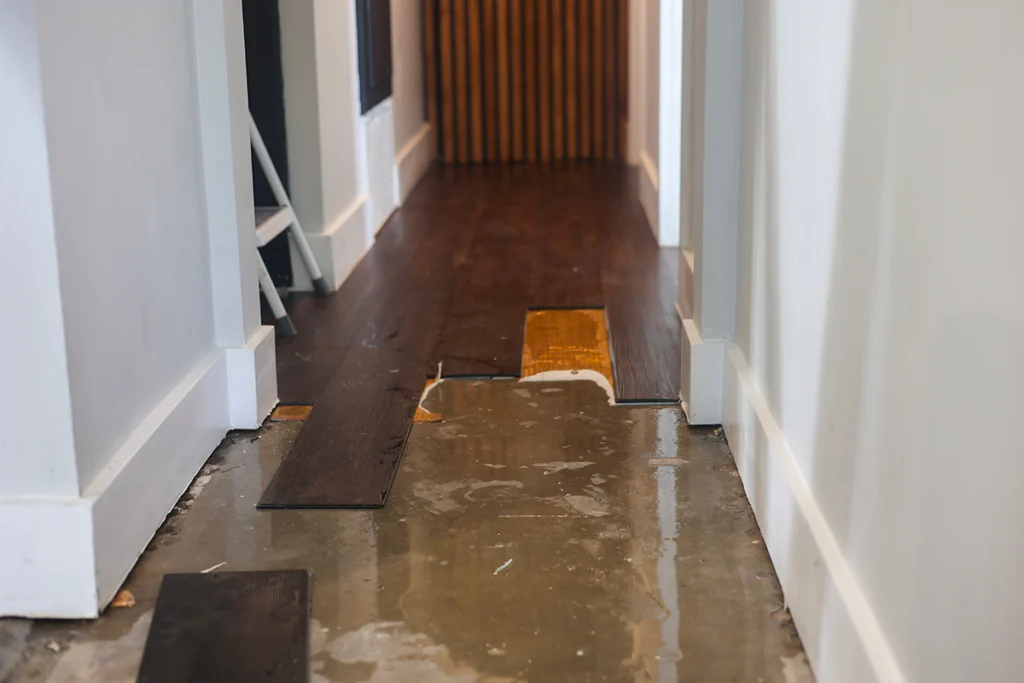
Five Signs of a Slab Leak and the Four Methods That Find It Without Breaking Concrete
Water bill climbing? A warm spot on the floor or the sound of running water with every tap off can also mean a pipe has failed under your slab. Listening equipment, thermal imaging and pressure tests are how it gets found.
Toilet Leaking at the Base? Why the Wax Ring or Flange Fails and the 10-Step Fix
Every flush makes a leak at the base of a toilet worse. The cause is usually a failed wax ring or a damaged flange, and the repair runs 10 steps.
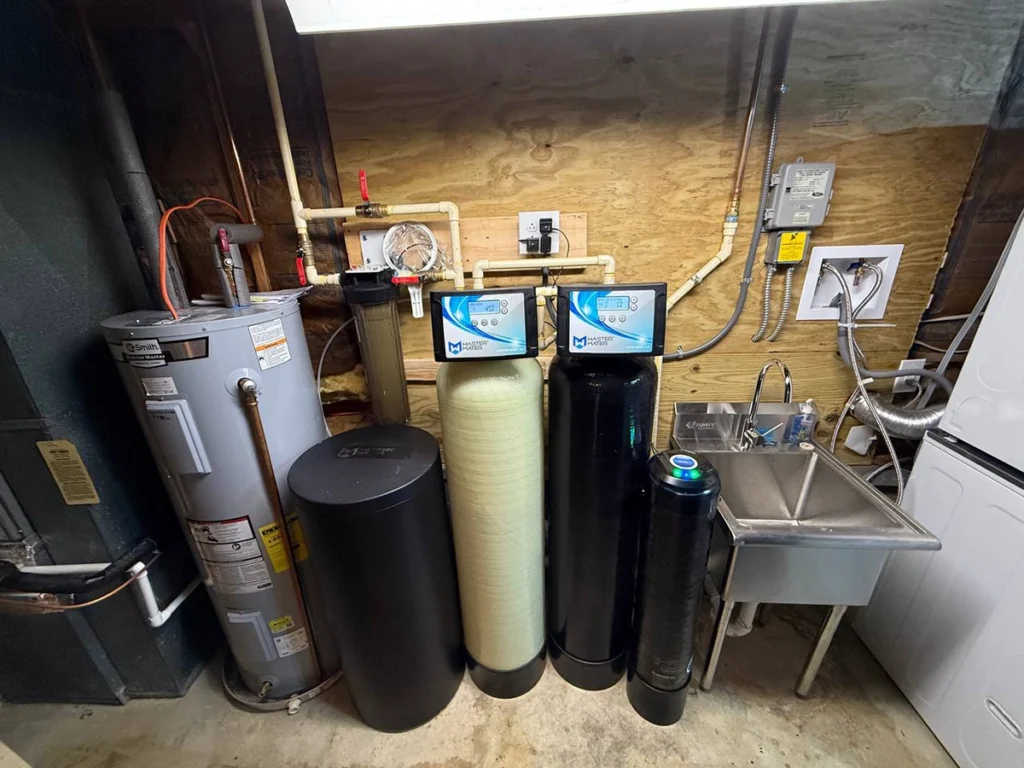
Water Softener for Well Water: Test First, Then Size the System to Your Hardness
Test the water before you buy a softener. Well water often carries hardness, iron and sediment that city water doesn't, and a result in grains per gallon tells you what the softener has to handle.
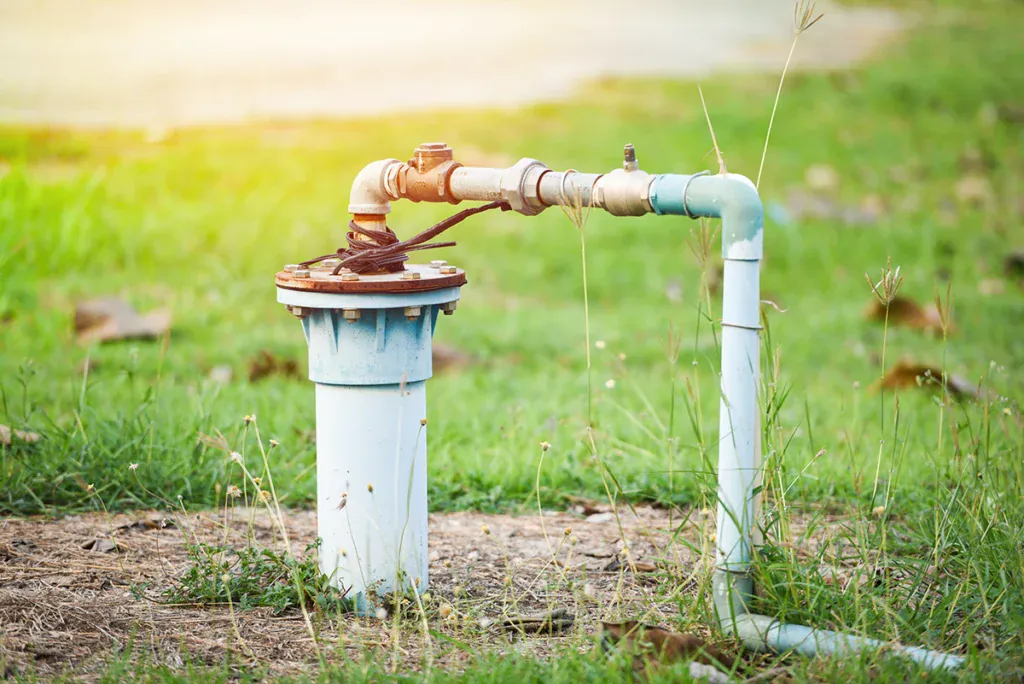
How Well Water Works, From the Aquifer to Your Faucet, Part by Part
How does groundwater get from the aquifer to your faucet? A pump near the bottom of the well pushes it up to a pressure tank that holds 40 to 60 PSI, and a switch restarts the pump whenever the pressure drops.
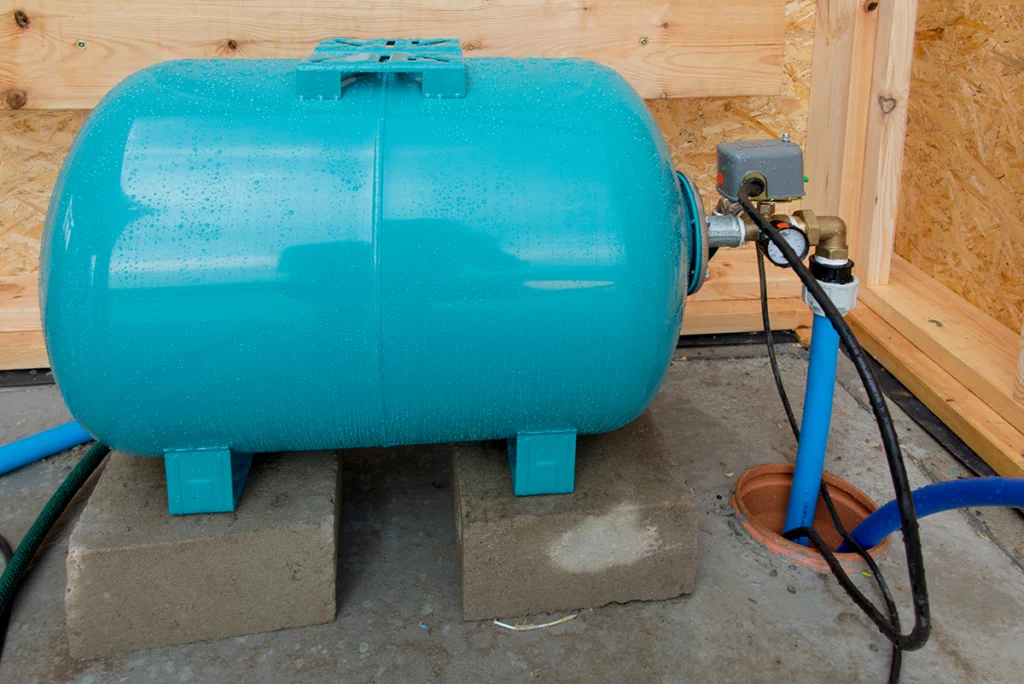
Well Pressure Tank: Three Signs It's Failing and How to Check It
Short cycling, uneven pressure and rust or leaks on a well tank point to a failed bladder or lost air charge. The check starts with a tire gauge.
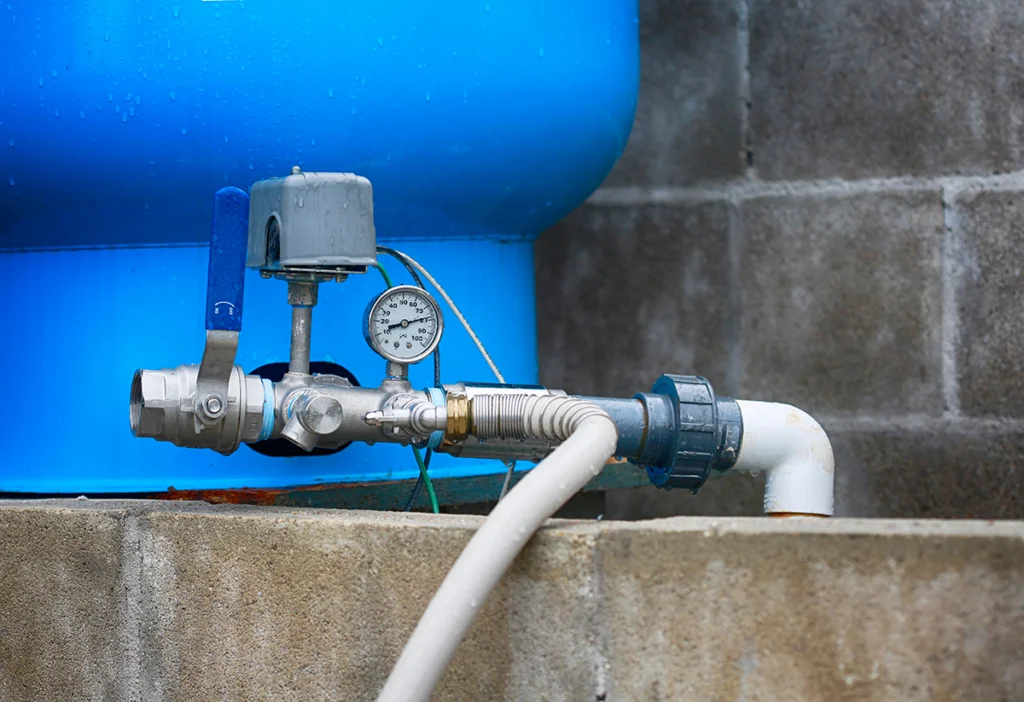
Four Signs Your Well Pressure Switch Is Failing and What Causes It
Short cycling, no pressure, a pump that won't shut off or pressure that swings all point to the switch that tells your well pump when to run. Here's why switches fail and how they're tested and replaced.
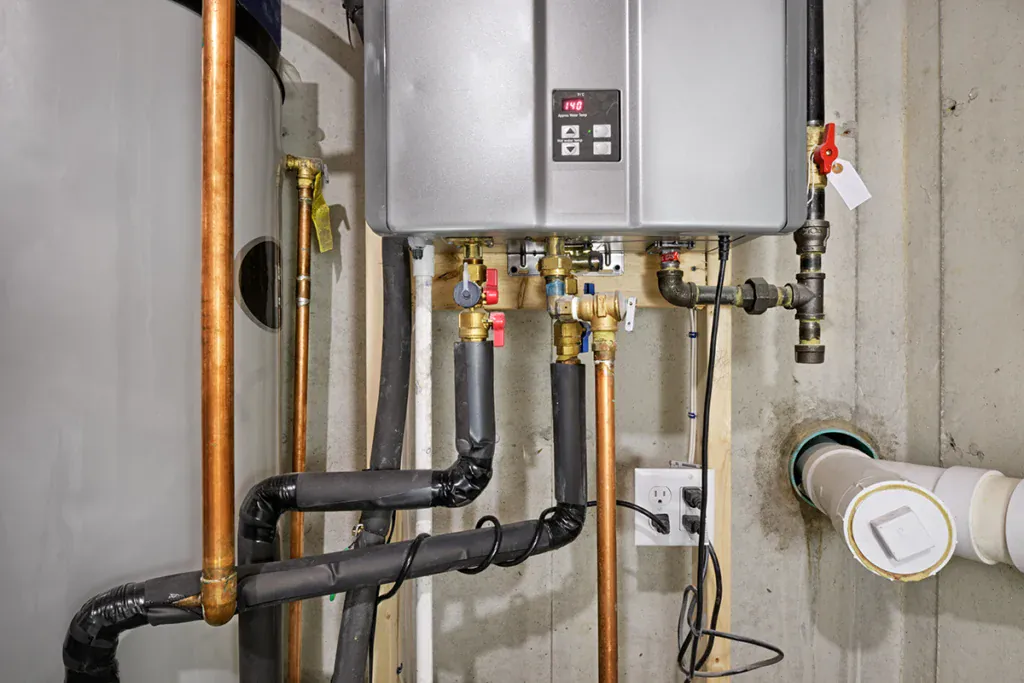
How Long Do Tankless Water Heaters Last? About 20 Years, and What Gets Them There
Tankless water heaters typically last around 20 years, against 10 to 15 for a tank. Hard water, sizing and yearly flushing decide whether yours gets there. Once a unit shows its age, the question becomes repair or replace.
No Hot Water in the Shower? Three Clues That Point to the Cause
If the sinks run hot and the shower doesn't, look at the shower valve. If nothing in the house runs hot, look at the water heater. If it starts hot and fades fast, look at the dip tube or the tank size.
How to Get Rid of Drain Flies by Clearing the Slime They Breed In
Spraying adult drain flies won't stop them. They lay their eggs in the slime that lines slow and rarely used drains, so the fix is to find the drain they're using, clear it and keep it clean.
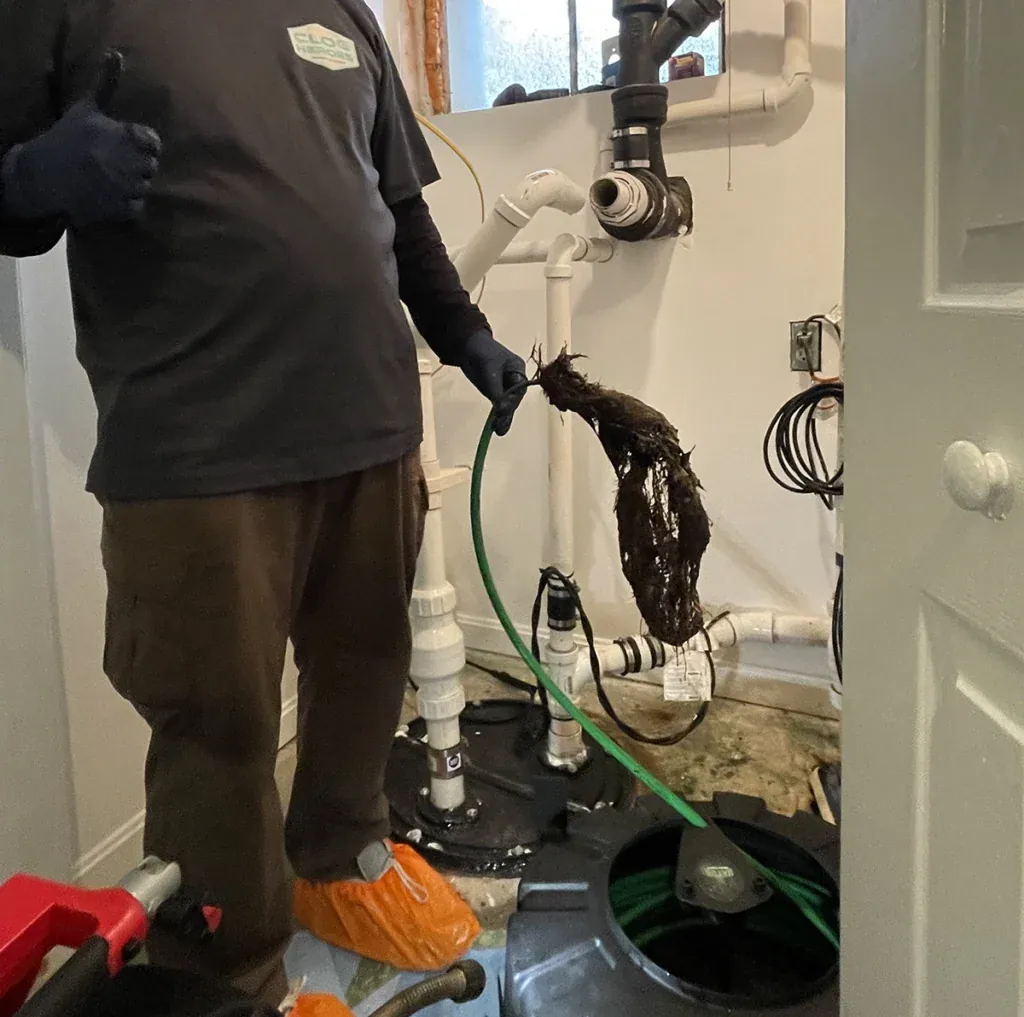
Plumbing Emergency or Can It Wait Until Morning? How to Tell and What Happens Next
Burst pipes, sewage backups and the smell of gas can't wait until morning. Dripping faucets and slow tubs can. Knowing which is which tells you what to shut off first and what to expect when the plumber arrives.
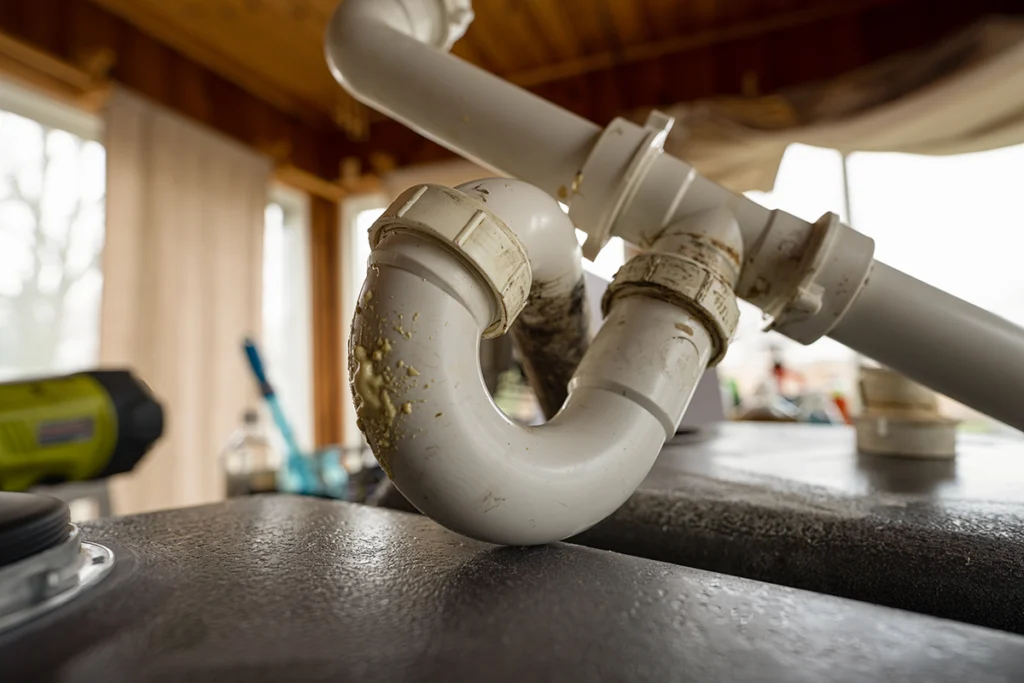
The P-Trap Under Your Sink: How It Blocks Sewer Gas and What to Do When It Fails
Two to four inches of water in the bend under your sink is all that keeps sewer gas out of the house. Code requires that trap, and it gives trouble in three ways: clogged, dry or leaking.
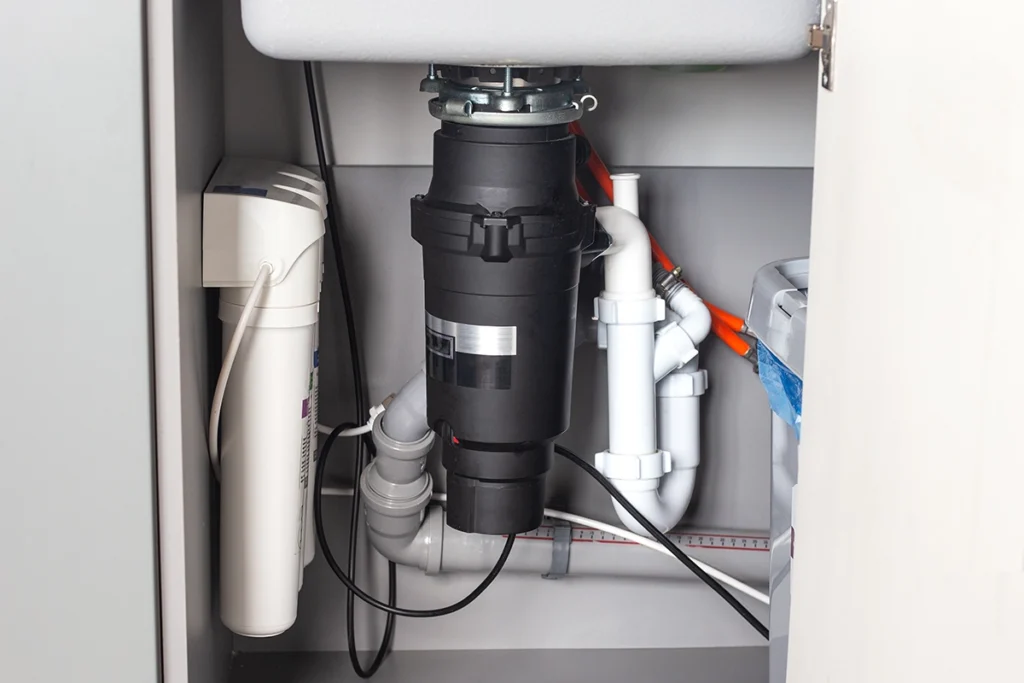
How P Traps and S Traps Work, and How to Tell Which One Is Under Your Sink
Both traps hold water to block sewer gas, but only the P trap holds it reliably. Here's how each design works, what code requires and how to identify yours.