Galvanized Pipes Rust From the Inside. Four Signs Yours Are Near the End
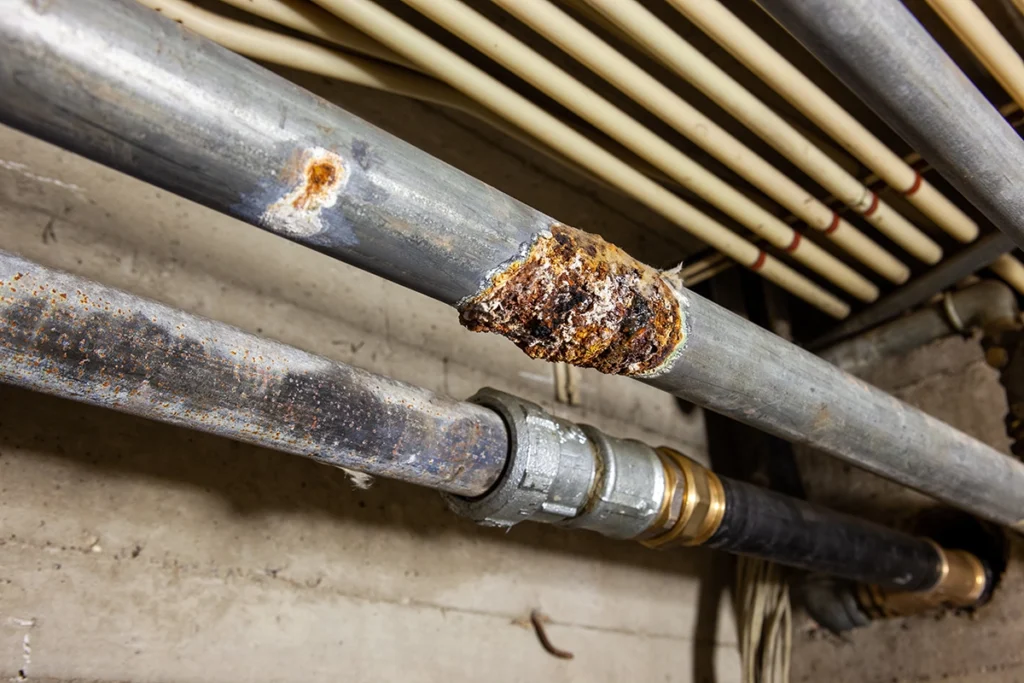
Most galvanized systems have lasted 40 to 60 years. Once the zinc coating wears through, rust builds up inside where you can't see it, and at some point replacing the pipe makes more sense than chasing leaks.
Why Galvanized Steel Was Popular for So Long
Galvanized steel earned popularity in older homes due to its zinc coating that protected underlying iron. It was strong, affordable, and reliable for many years. However, the coating eventually deteriorates, exposing iron to moisture and oxygen, which triggers corrosion. Modern materials like PVC and PEX resist corrosion better and are now preferred by plumbers.
Will Galvanized Steel Rust? Key Signs to Watch For
Discolored Water and Rust Stains
Rust particles flake from inside galvanized pipes and tint the water. These particles eventually collect in fixtures, leaving stubborn stains.
Low Water Pressure That Gets Worse Over Time
Rust buildup narrows the pipe’s interior, reducing flow progressively. This effect is often most noticeable in showers.
Uneven Flow Throughout the Home
Corrosion develops unevenly, causing some sections to fail faster than others, resulting in inconsistent pressure across different areas.
Frequent Clogs in Older Homes
Rust flakes travel through fittings and settle in drain lines, causing recurring blockages.
How Internal Corrosion and Rust Develop Inside a Galvanized Steel Pipe
The Breakdown Starts From Within
Once the zinc coating wears down, exposed steel reacts with oxygen and water, creating internal rust that restricts flow. This process typically begins long before symptoms appear. “Metals inside older plumbing systems break down over time as corrosion progresses” affecting water quality and performance.
Why Age Matters
Most galvanized systems have lasted 40–60 years, which approaches or exceeds their expected lifespan. Because corrosion occurs internally, problems often remain hidden until significant symptoms manifest.
Pressure Changes Make Things Worse
Water pressure fluctuations stress aging galvanized steel. Rusted, thinning walls cannot withstand sudden shifts, particularly in colder regions where freeze-thaw cycles create recurring pressure variations. Uneven rust development means some sections fail under pressure before others, causing unexpected leaks or noisy pipes.
When Replacing Old Galvanized Steel Makes More Sense Than Fighting Rust
Replacement becomes the safer, more cost-effective long-term solution when corrosion spreads extensively. New materials resist rust, improve water flow, and enhance overall water quality while eliminating risks from internal buildup. Though replacement appears costly initially, it resolves problems homeowners have struggled with for years, delivering cleaner water, steadier pressure, and fewer clogs immediately.
How Clog Heroes Helps Homeowners Make the Right Decision
The company recommends starting with a full inspection, then explaining options clearly. Many homeowners choose partial replacement targeting the most corroded sections, while others opt for complete system upgrades for long-term security. Either approach maintains transparency throughout the process.
FAQs About Rust and Galvanized Steel
Will galvanized steel rust inside my plumbing system?
Yes. Once the zinc coating thins, interior steel rusts, affecting water clarity and pressure.
How long do galvanized pipes last in most homes?
Many last 40–60 years, though water conditions and climate may shorten this timeframe.
Do galvanized pipes cause low water pressure?
Yes. Interior corrosion narrows the pipe diameter, reducing flow in any region.
Should I replace all galvanized pipes at once?
Not necessarily. Some homeowners start with the most corroded sections. A full inspection determines the best approach.
Rusty Water or Falling Pressure?
A Clog Heroes technician checks your galvanized lines and gives you a written price before any work starts. Calls are answered 24/7 at (540) 518-2564.
Filed under Pipes & Fittings · All Guides
More Pipes & Fittings Guides
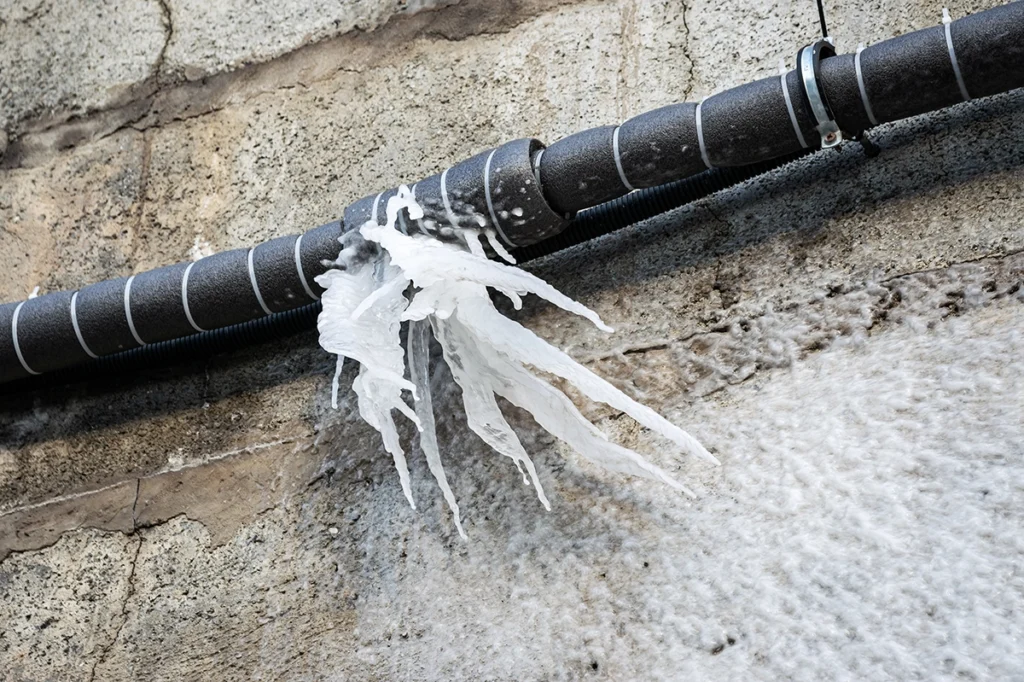
Drip Your Faucets Below 20°F: Which Taps, How Fast and for How Long
Once it stays below 20°F for several hours, unprotected pipes are at the most risk. Drip the right faucets at one drop every second or two, and know what to do if a pipe freezes anyway.
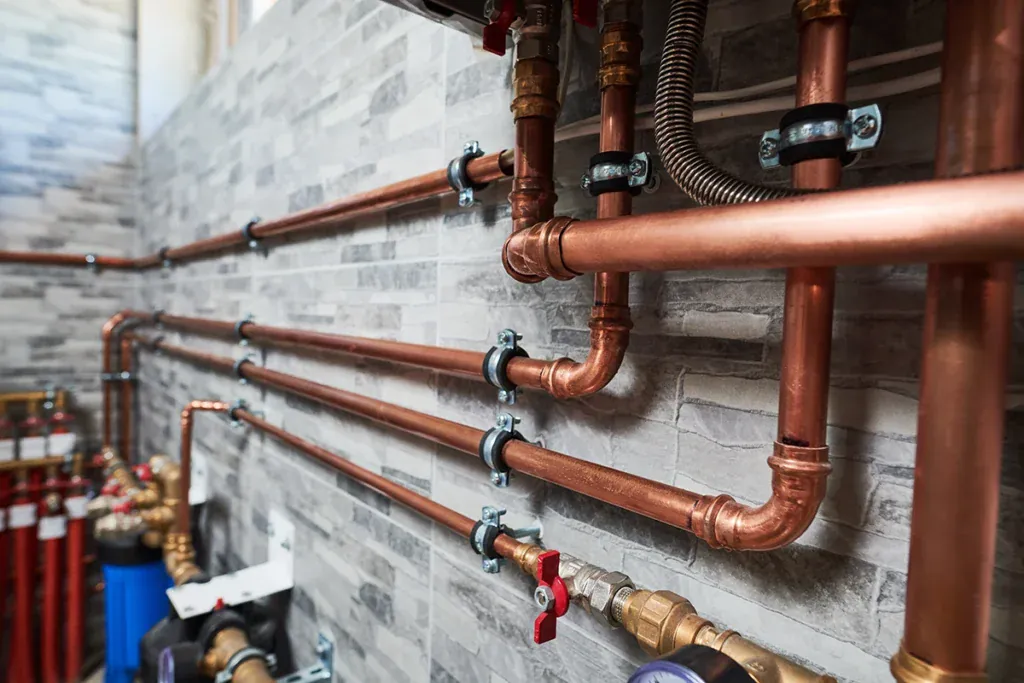
Copper Sweat vs. SharkBite: Which Joint Lasts Longer and When Each One Makes Sense
Decades for a soldered copper joint. Seconds for a SharkBite push fitting, which also works on CPVC and PEX. Durability, code and cost decide where each one belongs.
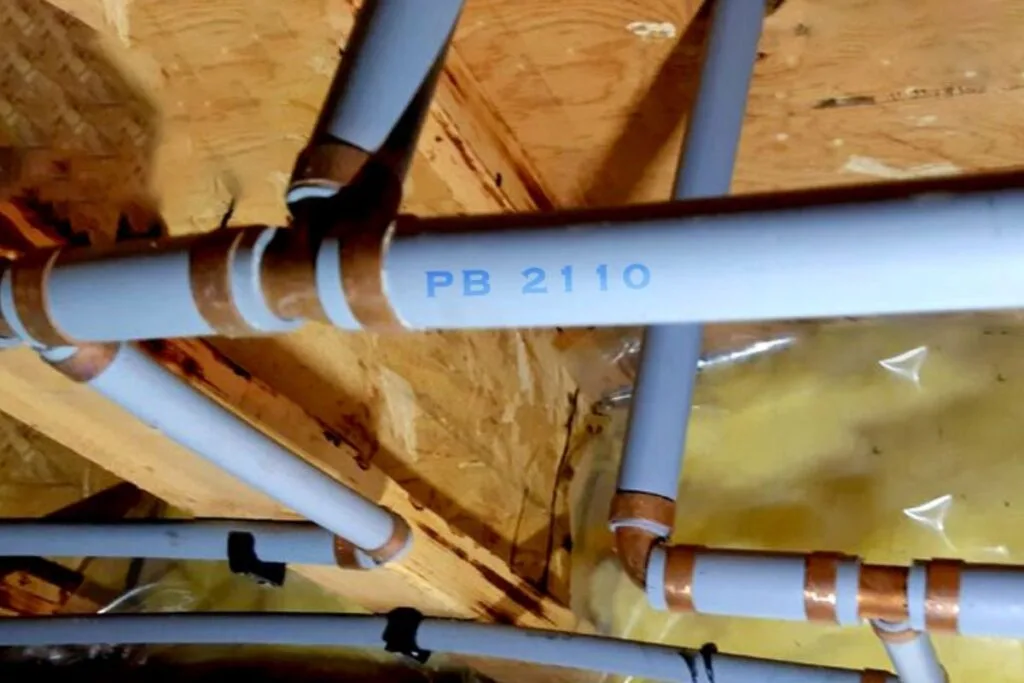
Polybutylene Plumbing: How to Spot It, Why It Fails and When to Replace It
Built between the late 1970s and the mid-1990s? Your house may have polybutylene, a flexible plastic supply pipe that breaks down from the inside. Spotting it is the first step in deciding whether to replace it.