Air in Your Water Lines: Five Causes and the Flush That Clears Most of Them
Sputtering taps, spitting water and sudden pressure drops usually mean air got into the pipes. Five causes account for most of it, and four fixes are worth trying yourself before a plumber takes a look.
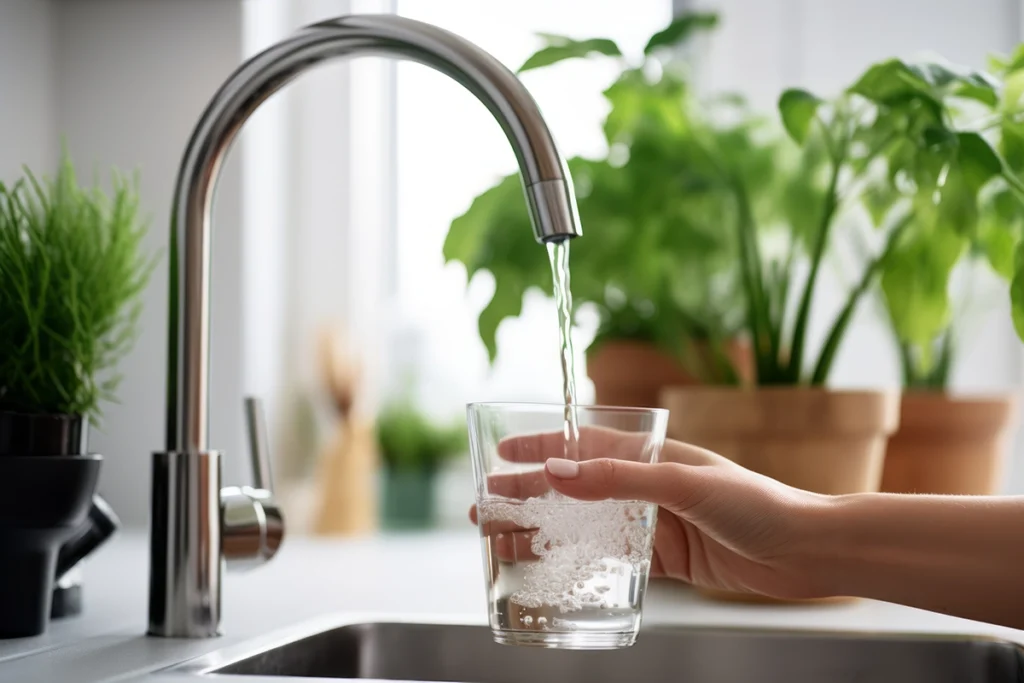
If you’ve ever turned on a faucet and heard a strange sputtering noise or noticed your water pressure drop unexpectedly, you may be dealing with air in water lines.
Common Signs of Air in Water Lines
Air trapped in your plumbing system can create a range of symptoms. Some of the most common include:
- Sputtering or spitting faucets
- Irregular water pressure
- Vibrating pipes or strange noises
- Cloudy water that clears after a few seconds
- Dry taps followed by a sudden surge of water
These signs may occur intermittently or constantly, depending on the cause and severity of the issue. If ignored, it could lead to added stress on your plumbing and even potential damage to appliances or fixtures.
What Causes Air in Water Lines?
Understanding what causes air in water lines can help you prevent future issues. Here are the most frequent culprits:
1. Plumbing System Repairs or Maintenance
If a plumber recently shut off your main water valve to perform repairs, air can enter the lines during the shutdown. When the system is turned back on, some air may get trapped and take time to flush out.
2. Water Main Breaks or Municipal Work
Water utility maintenance—especially a nearby line break or repair—can introduce air into the system. This air often works its way into residential lines, especially in homes on higher elevations or at the end of a water supply line.
3. Leaks in Well Water Systems
For homes with private wells, leaks in the suction line can pull air into the system. A crack in the pipe between the well and your pressure tank or pump allows air to enter as water is drawn through.
4. Faulty Valves or Fittings
Loose or aging fittings, valves, or connections in your plumbing can allow air to be drawn in. This is especially common in systems where negative pressure is occasionally created (like during high water demand).
5. Water Heater Issues
In some cases, the source of air in water lines is a faulty or poorly maintained water heater. Sediment buildup or a malfunctioning dip tube can cause strange water behavior, including sputtering.
How to Fix Air in Water Lines
Fortunately, getting rid of air in your plumbing isn’t always difficult—though in some cases, professional help is necessary. Here’s how to approach the issue:
1. Run All Faucets to Flush the System
Start by turning on all the faucets in your home—hot and cold—and let the water run for a few minutes. Begin with the highest faucet (usually in a second-floor bathroom) and move to the lowest one (often in a basement or first-floor kitchen). This can help push air through and out of the system.
2. Check the Main Water Valve
If water pressure seems weak or inconsistent, ensure your main water shut-off valve is fully open. A partially closed valve may allow air to stay trapped or restrict water flow.
3. Inspect the Pressure Tank (For Well Systems)
If you have a well system, check the pressure tank. If pressure fluctuates or cycles too frequently, it may be a sign of air leakage or an issue with the bladder inside the tank. You may also need to inspect the suction line from the well to the tank.
4. Bleed the Water Heater
Air can collect in your water heater as well. To release trapped air, turn off the power or gas supply to the unit, open the drain valve at the bottom of the tank, and allow water and air to flow out. Make sure to follow proper safety procedures or call a licensed plumber.
5. Call a Professional Plumber
If the issue persists or recurs frequently, it may be time to call a plumbing service. A professional can inspect your plumbing system, pressure tank, and valves to locate the root cause and provide long-term solutions.
How to Prevent Air in Water Lines
Prevention is always better than repair. Here are a few tips to help you avoid dealing with air in your plumbing system:
- Have your water heater flushed and inspected annually
- Repair leaks in well pipes or valves promptly
- Schedule routine plumbing inspections
- Install air release valves in problem areas if needed
- Ensure new plumbing work is performed by a licensed professional
Taking care of your system helps reduce the risk of trapped air and keeps your plumbing running smoothly year-round.
Still Sputtering After You Flush the Lines?
A Clog Heroes technician checks the valves, fittings and pressure tank to find where the air gets in, then gives you a written price before any work starts. Calls are answered 24/7 at (540) 518-2564.
Filed under Pipes & Fittings · All Guides
More Pipes & Fittings Guides
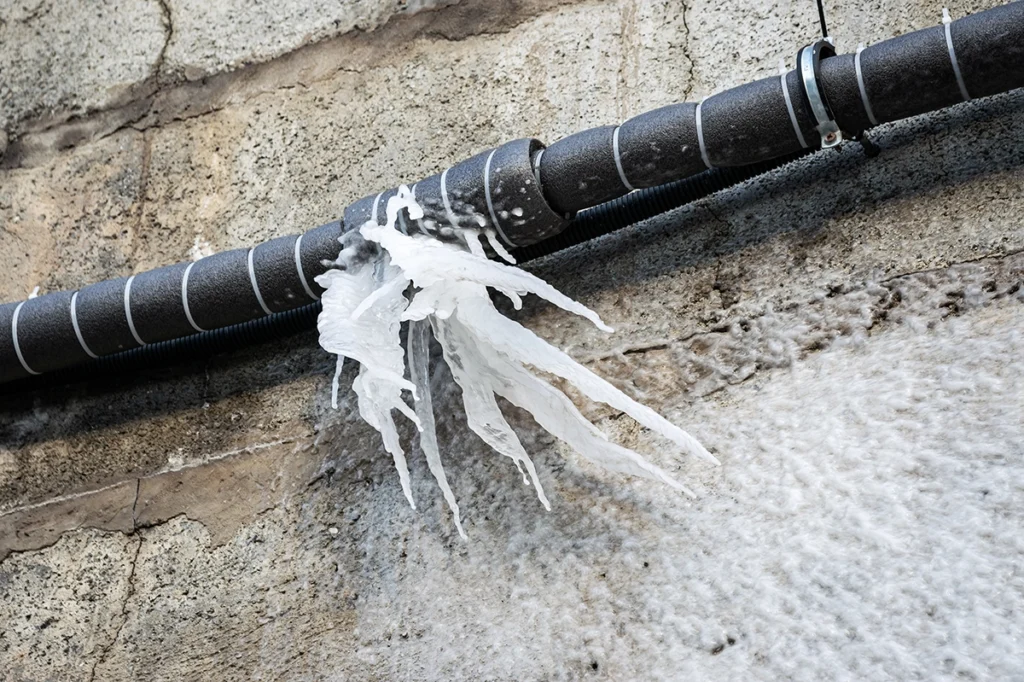
Drip Your Faucets Below 20°F: Which Taps, How Fast and for How Long
Once it stays below 20°F for several hours, unprotected pipes are at the most risk. Drip the right faucets at one drop every second or two, and know what to do if a pipe freezes anyway.
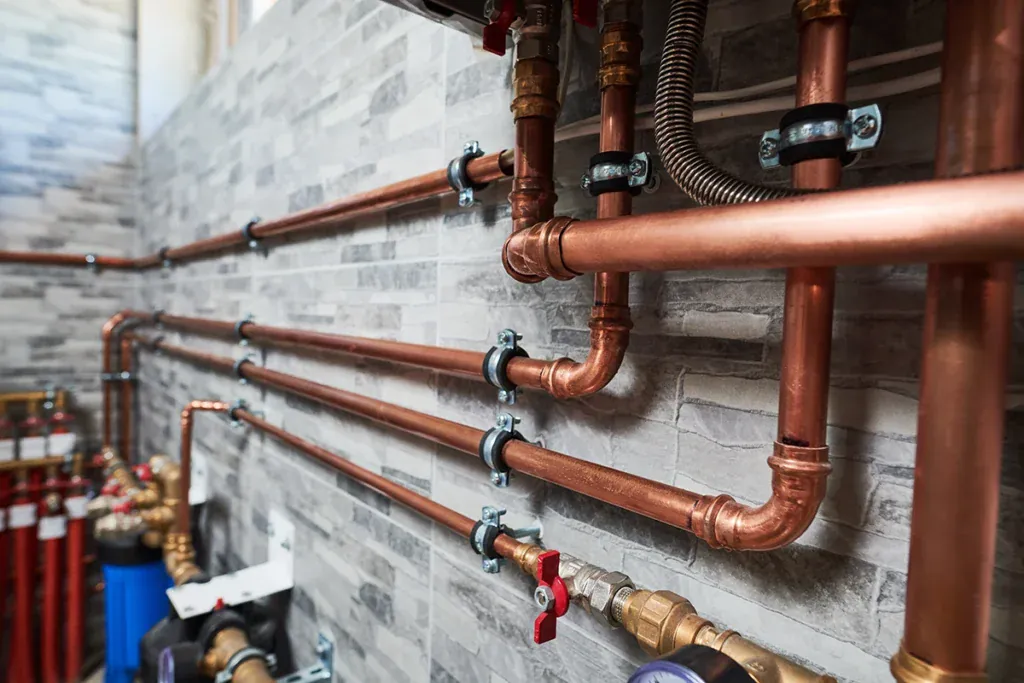
Copper Sweat vs. SharkBite: Which Joint Lasts Longer and When Each One Makes Sense
Decades for a soldered copper joint. Seconds for a SharkBite push fitting, which also works on CPVC and PEX. Durability, code and cost decide where each one belongs.
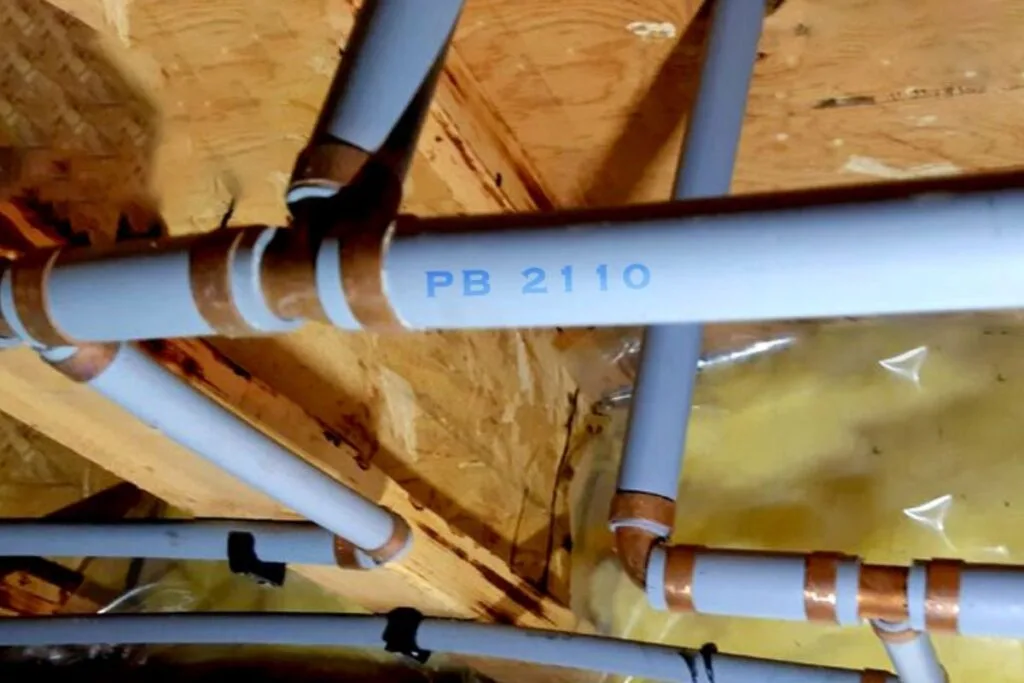
Polybutylene Plumbing: How to Spot It, Why It Fails and When to Replace It
Built between the late 1970s and the mid-1990s? Your house may have polybutylene, a flexible plastic supply pipe that breaks down from the inside. Spotting it is the first step in deciding whether to replace it.