
Well Pressure Tank: Three Signs It's Failing and How to Check It
Short cycling, uneven pressure and rust or leaks on a well tank point to a failed bladder or lost air charge. The check starts with a tire gauge.
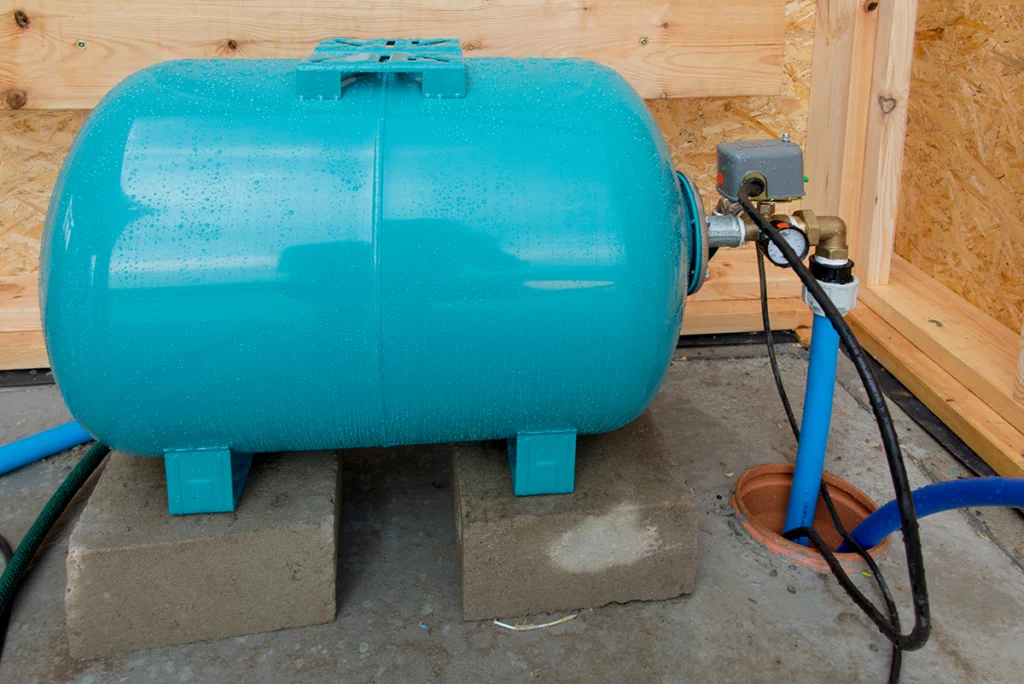
When your home runs on well water, your pressure tank does a lot of quiet work behind the scenes. It helps keep water pressure steady, protects your well pump, and stores pressurized water for everyday use. However, when the tank starts failing, you may notice short cycling, weak pressure, leaks, or strange changes in water flow.
What Is a Water Well Tank?
A water well tank, also called a pressure tank, is a sealed metal container connected to your well pump system. Inside the tank, there’s a rubber bladder or diaphragm that separates water from compressed air. When your well pump runs, it fills the tank with water while compressing the air inside. That compressed air creates the pressure that pushes water through your pipes when you turn on a faucet, flush a toilet, or run your washing machine.
This setup means your well pump doesn’t have to run constantly. Instead, the pump fills the tank until it reaches a preset pressure level—usually between 40 and 60 PSI—then shuts off. The stored water and air pressure carry you through until the tank pressure drops low enough to trigger the pump again. It’s an efficient system that extends the life of your pump and provides steady water pressure.
Common Signs Your Water Well Tank Needs Attention
Problems with your pressure tank don’t always announce themselves with dramatic failures. You’re more likely to notice gradual changes in how your water system behaves, which is why recognizing warning signs early helps.
Short Cycling or Constant Pump Operation
When the bladder inside your tank fails or the air pressure isn’t properly balanced, your well pump may start cycling on and off rapidly—called short cycling. This happens because the tank can’t hold enough pressurized water. You might hear the pump clicking on every time someone uses water, even briefly. This constant starting and stopping puts tremendous strain on your pump motor, potentially leading to premature failure.
Inconsistent Water Pressure
If you’re experiencing sudden drops in water pressure or wild pressure swings when using multiple fixtures, your well tank may be waterlogged or losing its air charge. A properly functioning tank should deliver steady pressure. When homeowners report great pressure one moment and barely a trickle the next, the pressure tank is often the culprit.
Visible Leaks or Corrosion
Physical damage to the tank can develop over time. Look around the base of the tank, near pipe connections, and at the air valve for signs of moisture, rust, or mineral deposits. Even a small leak can indicate internal problems that will worsen. Any active water pooling around your tank needs immediate professional attention.
Why a Water Well Tank Can Fail
Understanding what causes these tanks to fail helps you appreciate why professional service matters. Several factors contribute to pressure tank problems, most developing gradually over years of normal use.
Bladder Deterioration
The rubber bladder inside your tank flexes constantly as water enters and exits. Over time, that rubber can crack, tear, or lose flexibility. When the bladder fails, water fills the entire tank instead of staying separated from the air cushion, eliminating the tank’s ability to regulate pressure properly.
Air Pressure Loss
Even without bladder failure, the air side of your pressure tank can lose its charge. This might happen due to a faulty air valve, tiny leaks, or water slowly absorbing the air. Some older tanks use air-over-water designs that naturally lose air and need periodic recharging. Modern bladder tanks maintain separation better but can still develop air pressure problems.
Sediment and Mineral Buildup
Well water often carries minerals and sediment that settle inside the tank over years of operation. This buildup can interfere with the bladder, clog inlet connections, and create corrosion points. The mineral content in well water varies by location, but nearly every well tank accumulates some deposits over time. Regular water filtration maintenance can help reduce the mineral load reaching your tank.
How Professionals Diagnose Water Well Tank Problems
Professional technicians bring diagnostic tools and experience that pinpoint exactly what’s happening. The team starts by checking the air pressure in your tank using a standard tire pressure gauge at the air valve. This reading, compared against the pump’s cut-in and cut-out pressures, indicates whether the tank is maintaining proper air charge.
Next, they tap the tank at various heights. A properly functioning tank sounds hollow at the top and more solid toward the bottom where water sits. If the entire tank sounds solid, it’s likely waterlogged. Professionals also check pressure switch settings and inspect all connections for leaks, plus evaluate how the pump cycles during normal water use. These tests determine whether you need pressure adjustments, tank replacement, or repairs to related components.
What Happens During Water Well Tank Replacement
If your pressure tank has reached the end of its service life, replacement is often the most reliable solution. Licensed plumbers will shut off power to your well pump and drain the existing tank, then disconnect the old unit. They’ll properly size a new tank for your household’s water demands and pump capacity—sizing matters significantly, as tanks that are too small cause short cycling while oversized tanks allow water to sit stale.
After installing the new tank, professionals set the proper air pressure on the tank side and configure the pressure switch for optimal cut-in and cut-out points. They then test the entire system under normal operating conditions, aiming to give you steady water pressure, protect your pump from unnecessary wear, and ensure years of reliable service.
Maintaining Your Well Tank Between Service Calls
While major repairs and replacements require professional expertise, you can monitor your system’s performance between visits. Pay attention to changes in water pressure, unusual pump cycling patterns, or visible leaks around the tank. If you notice any warning signs—pressure fluctuations, short cycling, or visible leaks—contact a professional promptly rather than waiting for an annual checkup.
Also pay attention to your water quality. Sudden changes in taste, odor, or clarity might indicate issues beyond the pressure tank, potentially signaling problems with your well itself or potential well water contaminants. These changes warrant professional inspection to protect your family’s health and plumbing investment.
When to Call a Professional for Your Well Water System
Well water systems are remarkably reliable when properly maintained. However, they require specialized knowledge to diagnose and repair. If you’re experiencing symptoms like short cycling or pressure problems, professional help is warranted. Technicians bring the right tools, replacement parts, and expertise to get your water flowing smoothly again.
Because well systems supply all your household water, problems can escalate quickly from annoying to urgent. Professionals understand the inconvenience of water issues and respond promptly to diagnose root causes. Whether you need pressure adjustments, a new tank, or repairs to your pump system, expect upfront pricing and professional service.
Don’t let well water problems disrupt your daily routine or damage pump equipment. Water treatment and filtration services can also address any water quality concerns affecting your well system.
Frequently Asked Questions
How Long Does a Water Well Pressure Tank Typically Last?
Most well pressure tanks last between 10 and 15 years with proper maintenance. The actual lifespan depends on water quality, pump cycling frequency, and whether the tank was correctly sized for your household. Tanks exposed to highly mineralized water or frequent pressure cycling may fail sooner, though well-maintained systems in ideal conditions can exceed 15 years.
Can I Add Air to My Pressure Tank Myself?
While the air valve on bladder-type tanks may look similar to a tire valve, adjusting air pressure in well systems requires professional expertise. If your tank is losing air pressure or is waterlogged, the underlying problem—such as a failed bladder or faulty air valve—requires professional diagnosis and repair.
What Size Water Well Pressure Tank Do I Need for My Home?
Proper tank sizing depends on your well pump’s flow rate, the pump’s cycle rate, and your household’s peak water demand. A typical residential system uses a 20 to 80-gallon tank. However, undersizing or oversizing creates performance problems.
Why Does My Well Pump Run Every Time I Use Water?
This short cycling usually means your pressure tank has lost its air charge or the bladder has failed, leaving the tank waterlogged. Without proper air cushion, the tank can’t store pressurized water, so the pump must run constantly. This problem damages your pump motor and increases energy costs until the tank is repaired or replaced by a professional.
Pump Running Every Time You Open a Tap?
A Clog Heroes technician checks the tank's air charge and bladder and gives you a written price before any work starts. Calls are answered 24/7 at (540) 518-2564.
Filed under Wells & Pumps · All Guides
More Wells & Pumps Guides
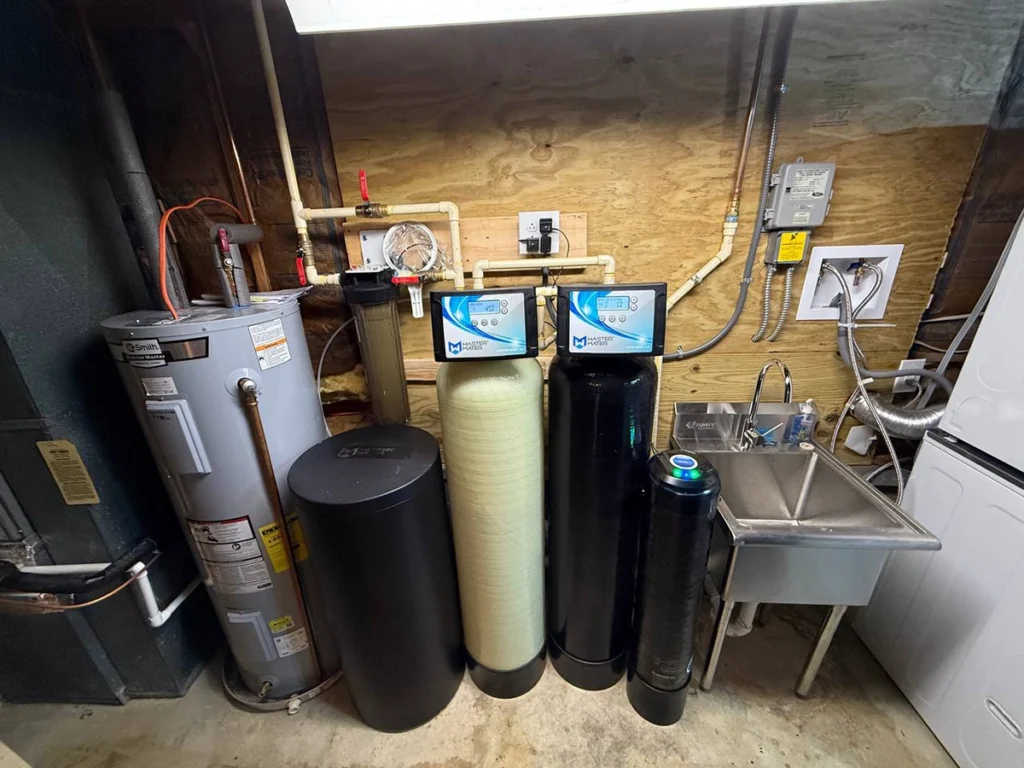
Water Softener for Well Water: Test First, Then Size the System to Your Hardness
Test the water before you buy a softener. Well water often carries hardness, iron and sediment that city water doesn't, and a result in grains per gallon tells you what the softener has to handle.
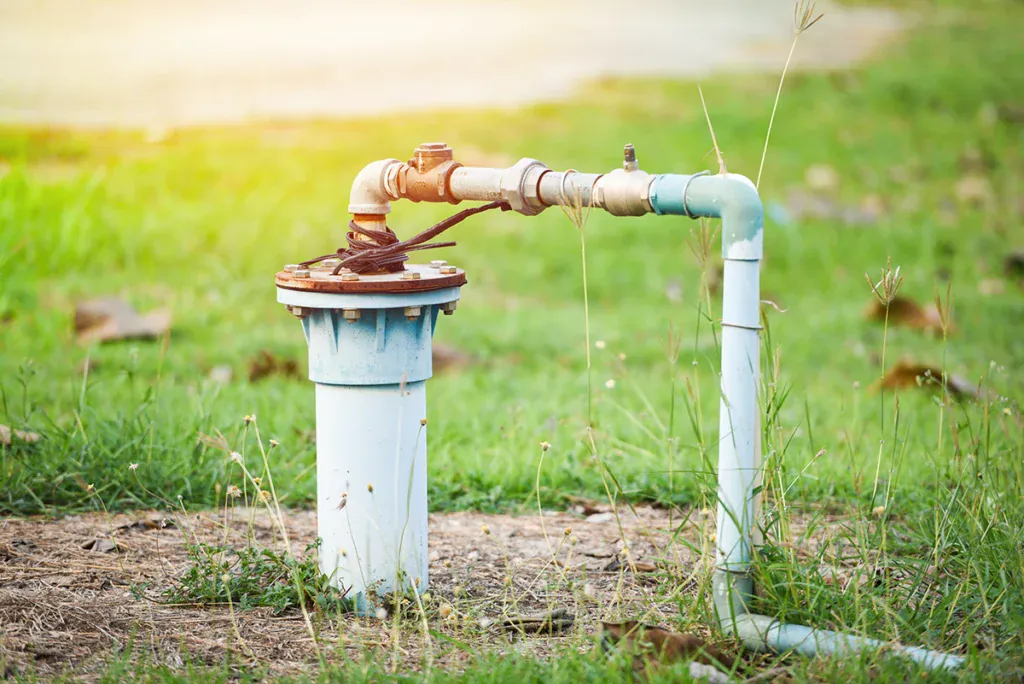
How Well Water Works, From the Aquifer to Your Faucet, Part by Part
How does groundwater get from the aquifer to your faucet? A pump near the bottom of the well pushes it up to a pressure tank that holds 40 to 60 PSI, and a switch restarts the pump whenever the pressure drops.
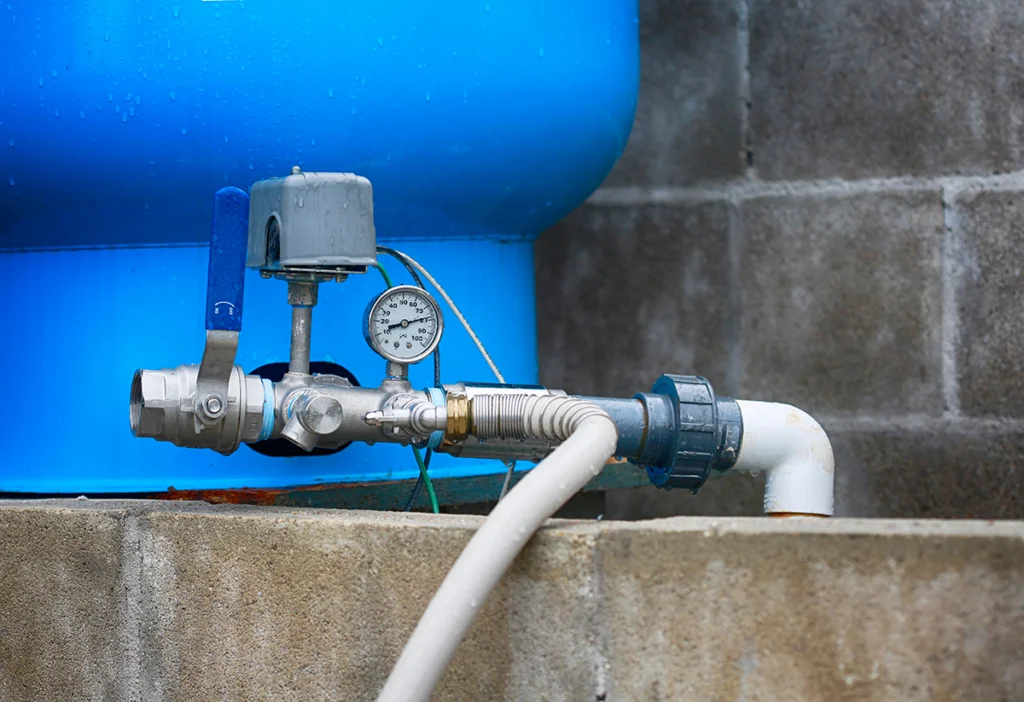
Four Signs Your Well Pressure Switch Is Failing and What Causes It
Short cycling, no pressure, a pump that won't shut off or pressure that swings all point to the switch that tells your well pump when to run. Here's why switches fail and how they're tested and replaced.