Water Softener for Well Water: Test First, Then Size the System to Your Hardness
Test the water before you buy a softener. Well water often carries hardness, iron and sediment that city water doesn't, and a result in grains per gallon tells you what the softener has to handle.
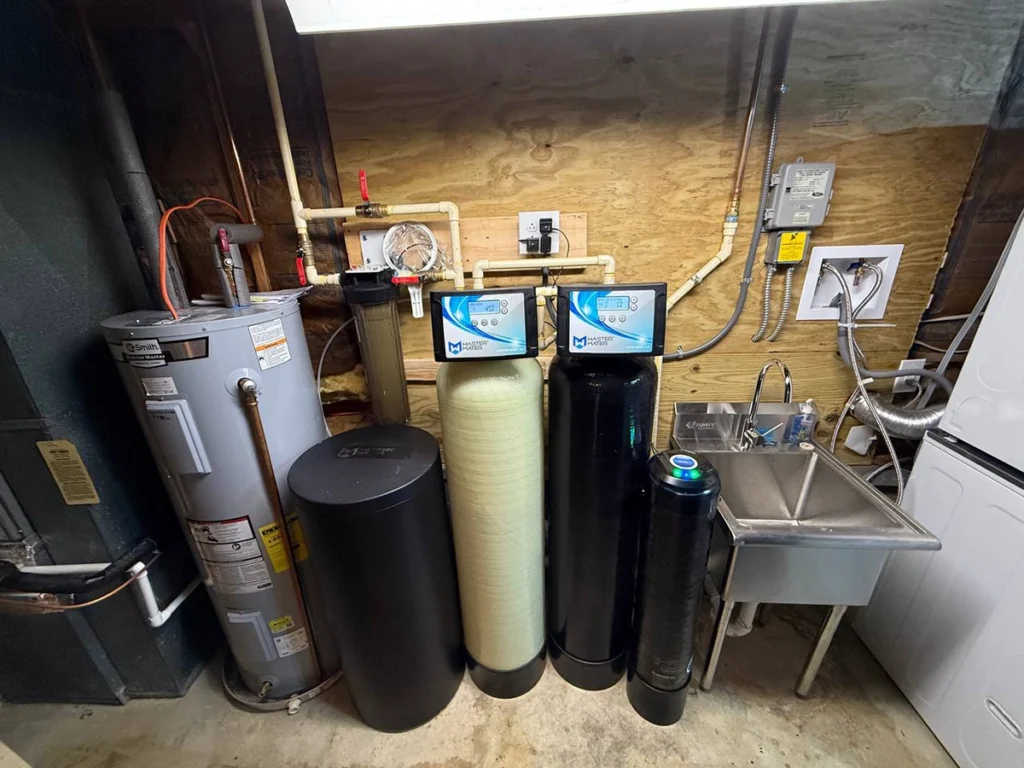
When you rely on well water for your home, you may notice stains on fixtures. Also, soap doesn’t lather well, or your drinking water has a strange taste. These are telltale signs of hard water. Fortunately, a water softener for well water can solve these frustrating problems. At Clog Heroes, we help Fredericksburg homeowners understand their well water quality. Plus, we help them choose the right softening system to protect their plumbing and improve daily water use. Hard water isn’t just a nuisance. Over time, it damages appliances, clogs pipes, and costs you money in repairs and energy bills.
Why Well Water Needs a Water Softener
Well water in central Virginia frequently contains elevated levels of calcium, magnesium, and other minerals that create “hard water.” Unlike municipal supplies that undergo treatment, well water emerges directly from underground aquifers, absorbing minerals from surrounding soil and rock. While these minerals aren’t harmful to consume, they damage plumbing systems extensively. Hard water deposits accumulate on fixtures, reduces soap effectiveness, and mineral buildup can restrict water flow within pipes, potentially causing blockages requiring expensive repairs.
How a Water Softener for Well Water Works
Water softeners employ ion exchange technology to remove hardness minerals. The system contains a resin tank with tiny beads coated in sodium or potassium ions. As hard water passes through, calcium and magnesium ions adhere to resin beads while sodium or potassium ions enter the water supply. The system periodically regenerates by flushing brine solution through the tank, removing accumulated minerals and recharging beads, with waste water discharged through a drain line.
Choosing the Right Size System
System sizing depends on household water consumption and well water hardness levels. Professional testing measures hardness in grains per gallon (GPG) along with iron content and pH levels. A family of four using approximately 300 gallons daily with 15 GPG hardness requires different specifications than smaller households with lower hardness.
Special Considerations for Well Water Treatment
Well water frequently presents challenges beyond simple hardness. Iron appears in two forms: ferrous iron (dissolved) and ferric iron (visible rust particles). Standard softeners handle up to 3-5 parts per million of clear water iron, but higher levels require pre-treatment or specialized iron filters installed before the softener.
Sulfur presents another issue. Water smelling like rotten eggs indicates hydrogen sulfide gas presence. While water softeners address hardness, they don’t eliminate sulfur odors, requiring additional treatment like oxidizing filters or aeration systems.
Testing Your Well Water First
Comprehensive water analysis reveals hardness levels, iron content, sulfur, manganese, pH, and total dissolved solids. It identifies potential contaminants. Many homeowners discover multiple issues requiring complete treatment approaches rather than single-system solutions.
Signs You Need a Water Softener
Common hard water indicators include white or yellowish crusty buildup around faucets and showerheads, poor soap lathering, and dry, itchy skin after showering. Dishwashers leave spots on glasses while washing machines make clothes feel stiff and dingy. Water heater mineral deposits reduce efficiency and can “ cut a water heater’s life expectancy in half compared to homes with softened water.”
Plumbing fixtures may show reduced water pressure as mineral scale accumulates inside pipes and aerators. Coffee makers, ice makers, and humidifiers also suffer from hard water deposits.
Benefits of Installing a Softening System
Soft water allows soaps and detergents to function properly, using less product for laundry, dishes, and bathing. Clothes last longer without mineral deposits, with colors staying brighter. Appliances operate more efficiently; water heaters especially benefit by using less energy without mineral buildup clogging heating elements, translating into lower utility bills.
Pipes stay clearer without scale buildup, maintaining proper water flow and reducing clog risks. Faucets, showerheads, and fixtures last longer. Skin and hair feel better since soft water rinses away soap residue more completely.
Long-Term Cost Savings
Quality water softening systems pay for themselves over time. Water heater lifespan extension alone saves thousands of dollars. Combined with reduced soap and detergent usage, fewer appliance repairs, and less frequent fixture replacements, plus lower energy bills, financial benefits become substantial. Many customers report payback within three to five years.
Professional Installation Matters
Water softener installation involves proper placement, adequate drainage for regeneration cycles, and electrical connections for control valves. For well water systems, installation may require additional components like sediment pre-filters or bypass valves. Licensed plumbers assess specific home setups to determine optimal softener location and ensure drain lines handle regeneration wastewater properly while maintaining plumbing code compliance.
Maintaining Your Water Softening System
Minimal but important maintenance includes keeping the brine tank filled with softener salt. Depending on water usage and hardness, salt refilling occurs monthly or every few months. Iron-fighting salt pellets or pure salt crystals work better than rock salt for well water systems. Annual brine tank cleaning removes sediment buildup. Pre-filters need regular replacement per manufacturer specifications.
Frequently Asked Questions
How Much Does a Water Softener for Well Water Cost to Install?
Costs depend on water hardness, household size, plumbing setup, and whether additional treatment addresses iron, sediment, sulfur, or pH issues. Professional water testing helps match homes with appropriate systems.
Can a Water Softener Remove Iron From Well Water?
“Standard water softeners can handle up to 3-5 parts per million of clear water iron” but higher levels or rust particles require dedicated iron filtration before the softener.
How Often Does a Well Water Softener Need Salt?
Most households add salt every 4-8 weeks, varying by hardness, household size, and daily usage. Monthly checks are recommended, with refilling when salt drops to one-quarter full.
Will a Water Softener Affect My Well Pump or Pressure Tank?
Properly installed softeners don’t negatively impact well pumps or pressure tanks. By preventing mineral scale buildup, they maintain consistent water pressure and reduce pump strain.
Hard Water From Your Well?
A Clog Heroes technician tests your water, sizes the softener and gives you a written price before any work starts. Calls are answered 24/7 at (540) 518-2564.
Filed under Wells & Pumps · All Guides
More Wells & Pumps Guides
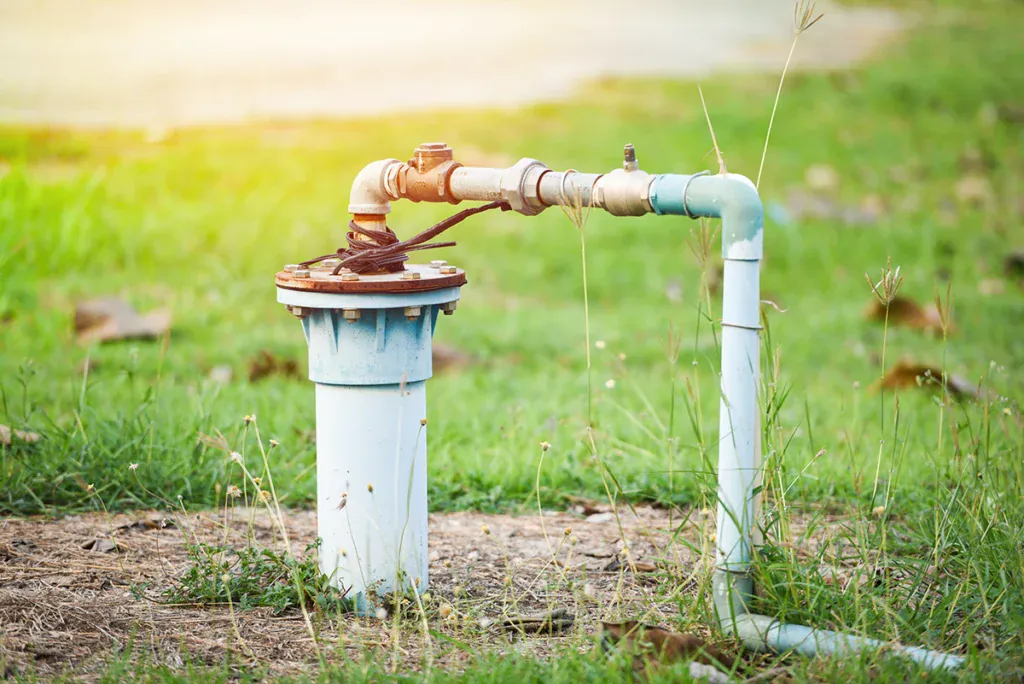
How Well Water Works, From the Aquifer to Your Faucet, Part by Part
How does groundwater get from the aquifer to your faucet? A pump near the bottom of the well pushes it up to a pressure tank that holds 40 to 60 PSI, and a switch restarts the pump whenever the pressure drops.
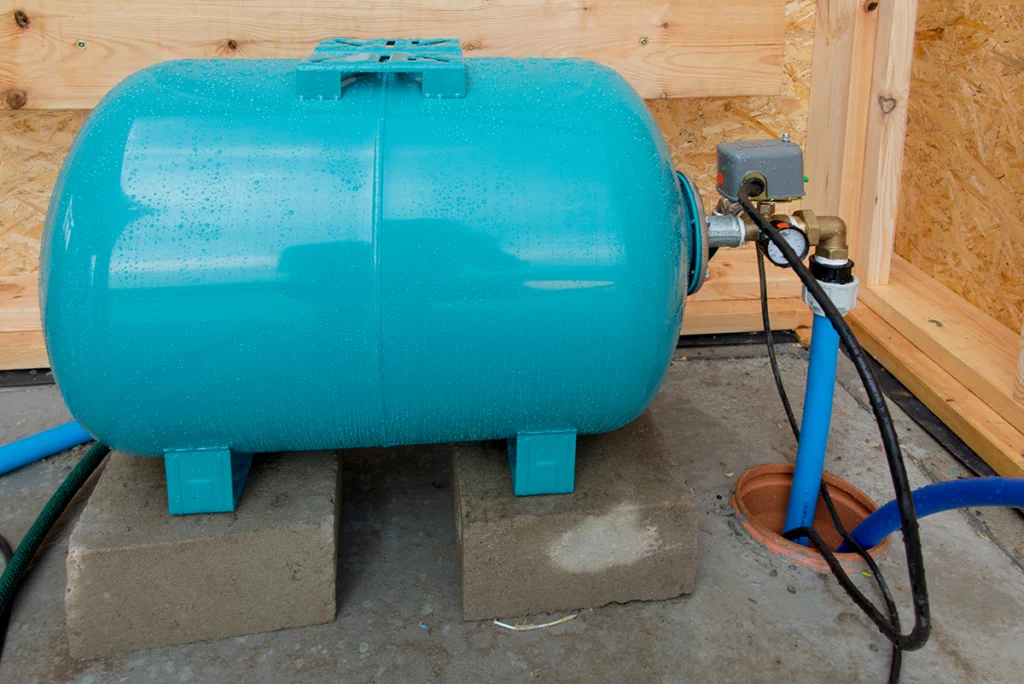
Well Pressure Tank: Three Signs It's Failing and How to Check It
Short cycling, uneven pressure and rust or leaks on a well tank point to a failed bladder or lost air charge. The check starts with a tire gauge.
Four Signs Your Well Pressure Switch Is Failing and What Causes It
Short cycling, no pressure, a pump that won't shut off or pressure that swings all point to the switch that tells your well pump when to run. Here's why switches fail and how they're tested and replaced.