Four Signs Your Well Pressure Switch Is Failing and What Causes It
Short cycling, no pressure, a pump that won't shut off or pressure that swings all point to the switch that tells your well pump when to run. Here's why switches fail and how they're tested and replaced.
What Does a Water Well Pressure Switch Do?
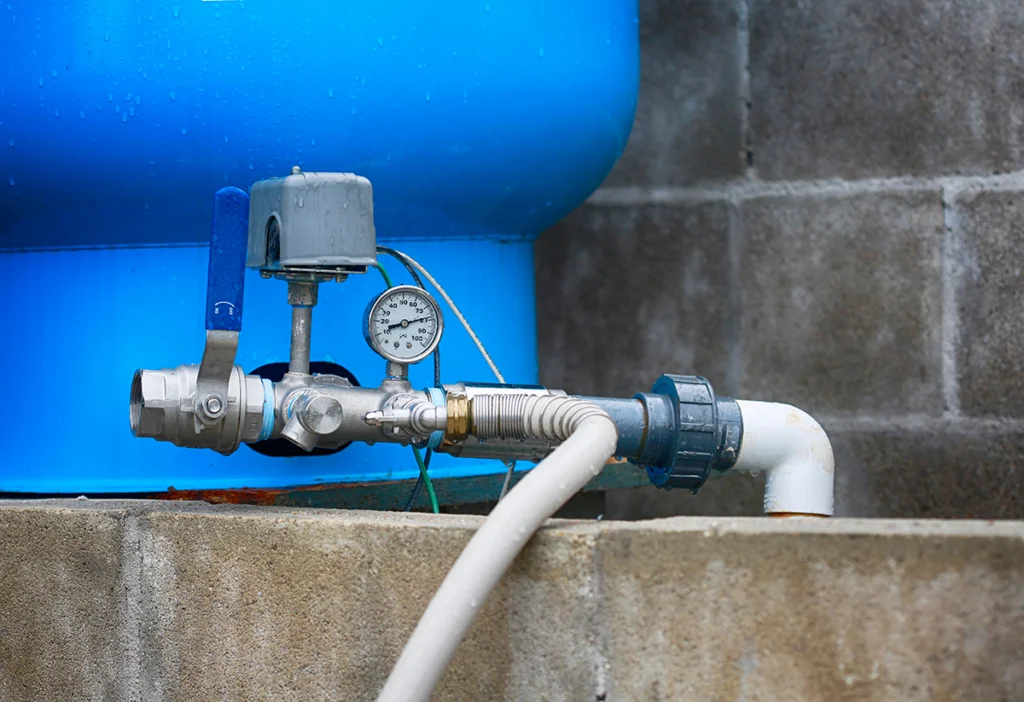
Your water well pressure switch acts as the control center for your well pump system. It monitors the water pressure inside your pressure tank. The switch triggers the pump to start when pressure drops below a set point—typically around 40 PSI. Once pressure builds back up to the upper limit, usually around 60 PSI, the switch tells the pump to shut off.
This automatic cycling keeps water flowing to your faucets, showers, and appliances without requiring manual intervention. The switch contains electrical contacts that open and close based on pressure readings. This makes it both a mechanical and electrical component. Because it handles this dual role, several things can go wrong over time.
Most homeowners never think about their pressure switch until something stops working properly. That’s perfectly normal—when everything’s functioning as it should, this component does its job quietly in the background. However, understanding its purpose helps you recognize problems early, before a minor issue becomes a major headache.
Common Signs Your Pressure Switch Is Failing
Several warning signs indicate your well pressure switch may need attention. Recognizing these symptoms early can prevent more serious system damage. Plus, it helps avoid costly repairs down the road.
Pump Cycles On and Off Too Frequently
If your well pump starts running in rapid, short cycles—turning on and off every few minutes—your water well pressure switch might be stuck or improperly calibrated. This behavior, called short cycling, puts unnecessary strain on your pump motor. Consequently, it can lead to early failure. While other issues like a waterlogged pressure tank can cause this problem, a faulty switch is often the culprit.
No Water Pressure at All
When you turn on a faucet and nothing comes out, the pressure switch could have failed in the off position. In this case, the pump never receives the signal to start, even though pressure has dropped to zero. Before calling for service, check your electrical panel to ensure the circuit breaker hasn’t tripped. If power is flowing but the pump won’t start, the switch likely needs professional attention.
Pump Won’t Shut Off
On the flip side, a switch stuck in the on position keeps your pump running continuously. This creates excessive wear on the pump motor. Additionally, it wastes electricity. You might notice this because the pump sounds like it’s running non-stop in your well house or basement. This situation requires immediate attention to prevent pump burnout.
Erratic Water Pressure
Does your shower pressure fluctuate wildly, going from strong to weak without explanation? A pressure switch that’s wearing out can create inconsistent readings. As a result, this leads to unpredictable water pressure throughout your home. This makes everyday tasks frustrating. It also signals that the switch isn’t maintaining proper control over your system.
What Causes Water Well Pressure Switches to Fail?
Understanding why these components fail helps you appreciate the importance of regular maintenance and timely replacement. Several factors contribute to pressure switch problems in well systems.
Electrical Contact Wear
Every time your pump cycles, the electrical contacts inside the switch open and close. Over years of service, these contacts can pit, corrode, or burn out. This is simply normal wear and tear—most switches eventually need replacement due to contact breakdown. High-quality switches last longer, but all mechanical components have a limited lifespan.
Sediment and Mineral Buildup
Well water often contains minerals that can build up inside the pressure switch housing. Iron, calcium, and other deposits can interfere with the pressure-sensing mechanism. This causes inaccurate readings or prevents the switch from moving freely. This is especially common in areas with hard water or high iron content. These conditions frequently occur in Virginia well systems where water treatment and filtration can help protect your system.
Moisture and Corrosion
Because pressure switches are often located in damp places like well houses or crawl spaces, moisture can creep into the electrical components. Even though these switches are designed for wet locations, ongoing humidity can lead to corrosion over time. This compromises both the mechanical and electrical functions of the unit.
Improper Pressure Settings
Sometimes the switch itself isn’t broken—it’s just set incorrectly. If someone adjusted the pressure settings without understanding the proper range for your specific system, the pump might cycle too often. It also might not provide adequate pressure. Only experienced professionals should adjust these settings, as improper setup can damage your pump.
How Professionals Diagnose and Replace Pressure Switches
When you call for well pressure problems, licensed technicians follow a step-by-step approach to identify the root cause. They’ll start by testing the actual pressure in your tank using calibrated gauges. This tells you whether the problem stems from the switch, the tank, or another component.
Next, technicians inspect the electrical connections and test the switch itself with specialized equipment. This diagnostic process ensures the real issue is addressed rather than guessing. If the switch has failed, replacement involves shutting off power to the system, relieving pressure from the tank, disconnecting the old switch, and installing a properly rated replacement.
Technicians also check the entire pressure tank assembly during this service. They look for signs of tank failure and inspect all fittings for leaks. Finally, they verify that pressure settings are appropriate for your home’s needs. This complete approach ensures your well system functions reliably after service completion.
Proper replacement requires knowledge of electrical codes and how different well system components work together. The switch must be rated for your pump’s amperage. Connections must be made safely to prevent shock hazards or fire risks. Licensed professionals have the training and tools to handle these complex electrical and plumbing components safely.
Protecting Your Well System Investment
Your well system represents a significant investment in your property. Regular professional inspections help catch pressure switch issues before they cause pump damage or leave you without water. Yearly well system check-ups are recommended for homeowners, especially if your system is more than ten years old.
During these maintenance visits, technicians test your pressure settings, inspect electrical connections, and look for early warning signs of component wear. This proactive approach saves money in the long run by extending the life of your pump. Furthermore, it prevents emergency breakdowns.
If you’re experiencing any warning signs mentioned earlier—short cycling, no water pressure, continuous pump operation, or erratic pressure—don’t wait for the problem to get worse. These issues rarely resolve themselves. Delayed repairs often lead to more extensive damage.
Why Choose Professional Service for Well Pressure Issues
Well systems combine plumbing, electrical work, and specialized mechanical components. Working on these systems without proper training creates safety hazards and can violate local codes. Licensed well system technicians understand the complexities involved and carry insurance to protect your property.
Professional service ensures everything meets current electrical and plumbing codes, with warranties on completed work. This gives you peace of mind that the repair is done right. Technicians can spot related problems that homeowners might miss—issues that could cause failures down the road.
Technicians stay current on the latest well system technologies and best practices. They work with all major brands of pressure switches and understand the specific requirements of different pump systems. This expertise means faster, more accurate diagnoses and repairs that last.
Frequently Asked Questions
How Long Does a Water Well Pressure Switch Typically Last?
Most pressure switches last between 10 to 15 years under normal operating conditions. However, factors like water quality, pump cycling frequency, and environmental conditions can shorten or extend this lifespan. Systems that cycle frequently due to high water usage may wear out switches faster. Regular professional inspections help identify wear before complete failure occurs.
Can I Adjust My Pressure Switch Settings Myself to Increase Water Pressure?
Professional adjustment is strongly recommended for pressure switch settings. Improper adjustments can damage your pump, cause the pressure tank to fail, or create unsafe pressure levels. Your system is set up for specific pressure ranges based on pump capacity and household needs. A licensed technician should evaluate your system and make any necessary adjustments safely.
What’s the Difference Between a Pressure Switch Problem and a Pressure Tank Problem?
A failing pressure switch typically causes the pump to not start, not stop, or cycle erratically. A failing pressure tank usually causes rapid cycling even when the switch is working properly. Both can create similar symptoms like short cycling. This makes professional diagnosis important. Technicians use pressure gauges and electrical testing to determine which component has failed.
How Much Does It Cost to Replace a Well Pressure Switch in Fredericksburg?
Replacement costs vary based on the switch type, accessibility, and any additional repairs needed. Professional replacement typically includes the switch, labor, testing, and warranty coverage. Exact pricing depends on your specific system setup.
Pump Cycling on and Off?
A Clog Heroes technician tests the switch and the tank and gives you a written price before any work starts. Calls are answered 24/7 at (540) 518-2564.
Filed under Wells & Pumps · All Guides
More Wells & Pumps Guides
Water Softener for Well Water: Test First, Then Size the System to Your Hardness
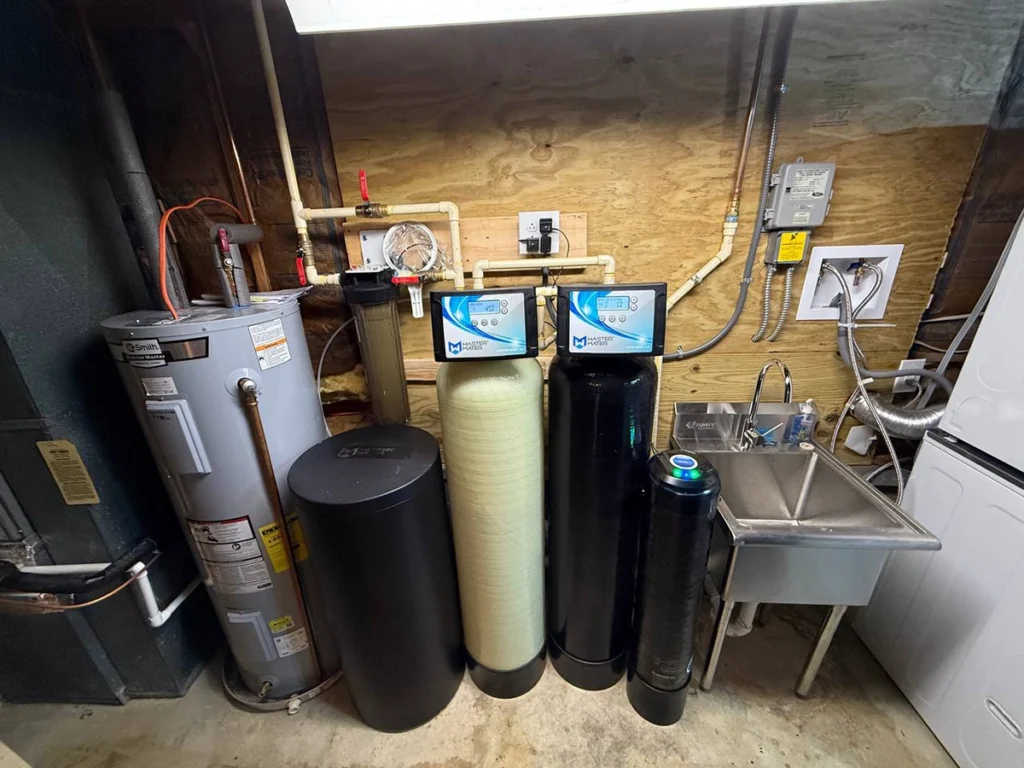
Test the water before you buy a softener. Well water often carries hardness, iron and sediment that city water doesn't, and a result in grains per gallon tells you what the softener has to handle.
How Well Water Works, From the Aquifer to Your Faucet, Part by Part
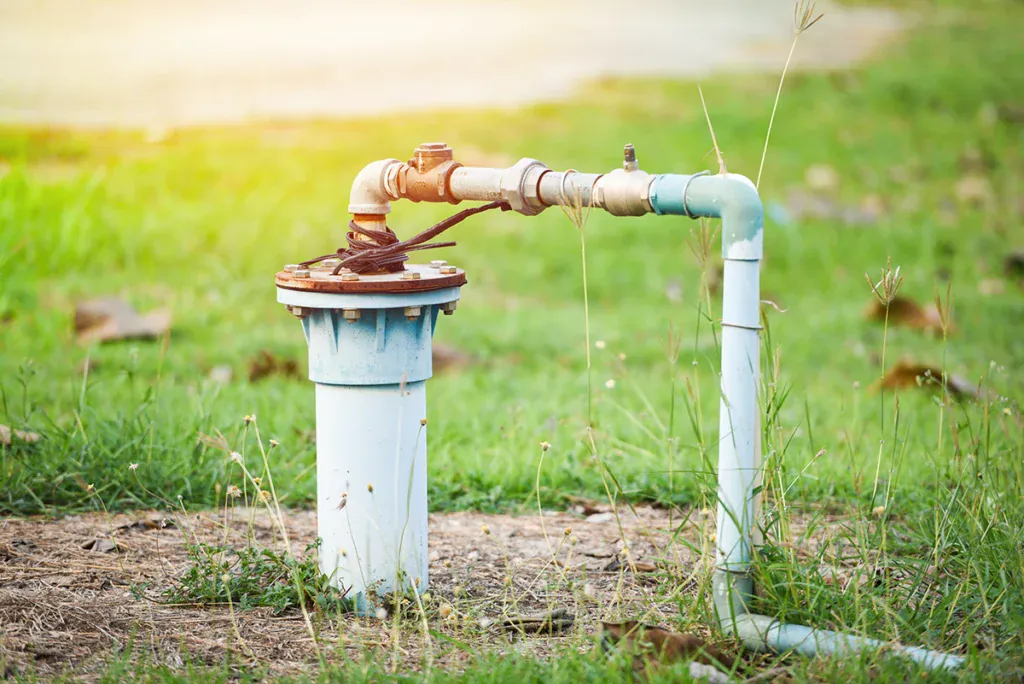
How does groundwater get from the aquifer to your faucet? A pump near the bottom of the well pushes it up to a pressure tank that holds 40 to 60 PSI, and a switch restarts the pump whenever the pressure drops.
Well Pressure Tank: Three Signs It's Failing and How to Check It
Short cycling, uneven pressure and rust or leaks on a well tank point to a failed bladder or lost air charge. The check starts with a tire gauge.