
How a Submersible Well Pump Works, How Long It Lasts and the Signs It's Failing
Most submersible well pumps last 10 to 15 years. The pump sits below the water line, pushes water up to the pressure tank and shuts off once the tank reaches 40 to 60 psi.
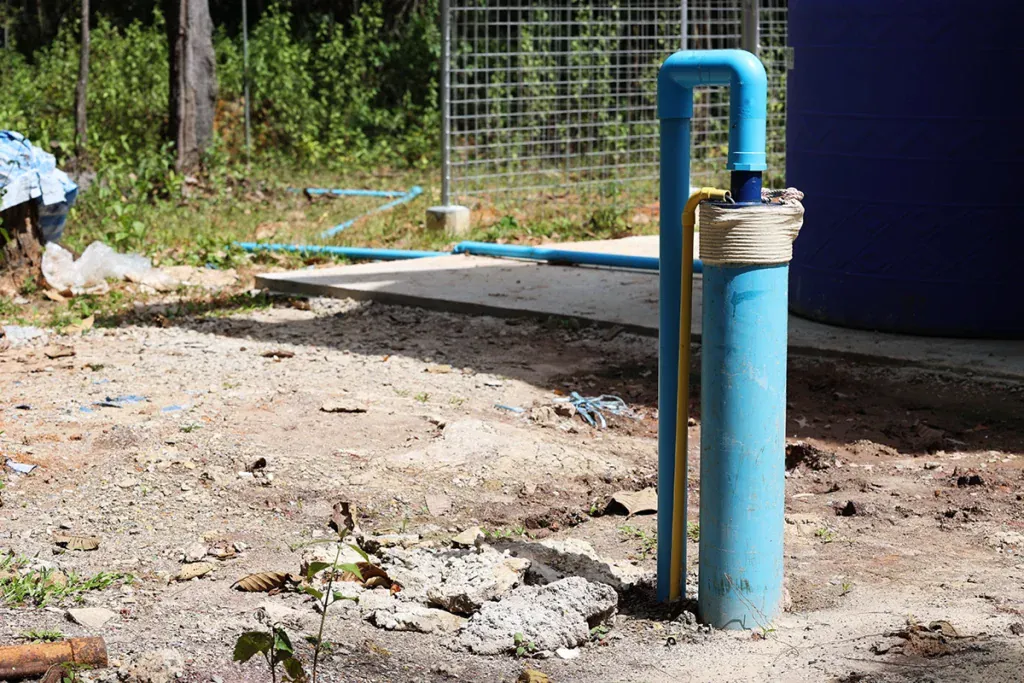
What Is a Submersible Well Pump?
A submersible well pump is a type of pump installed deep inside a water well, typically below the water line. Unlike above-ground jet pumps, a submersible pump is designed to work underwater. It pushes water upward through a pipe and into your pressure tank, which then delivers the water throughout your home.
These pumps are long and cylindrical, with an electric motor and impellers enclosed in a waterproof casing. Because the pump is submerged, it’s highly efficient—it doesn’t need to pull water up against gravity. Instead, it uses pressure to push water directly into the plumbing system.
How Does a Submersible Well Pump Work?
When you turn on a faucet or an appliance calls for water, your pressure tank senses the drop in pressure. This triggers the submersible pump to activate. The pump’s motor spins a series of impellers that draw water from the well and force it up through the discharge pipe.
Once the pressure tank reaches its preset PSI (usually between 40 and 60 psi), the pump automatically shuts off. This cycle ensures consistent water pressure and limits the pump’s run time, which helps extend its lifespan.
One major benefit of a submersible well pump is its quiet operation. Since the pump is deep underground, you won’t hear it running—only the sound of water flowing from your faucet.
When Do You Need a Submersible Well Pump?
If you’re building a new home in a rural area without municipal water access, installing a submersible well pump is typically your best option. They’re ideal for deep wells (more than 25 feet) and can lift water from depths up to 400 feet or more.
You may also need a new pump if your existing one is:
- Failing to maintain water pressure
- Making unusual noises
- Delivering air instead of water
- Tripping your circuit breaker
- More than 10–15 years old
Any of these symptoms could indicate that your submersible pump is nearing the end of its life. If you notice any of these issues, contact a licensed plumber to inspect the system before it fails completely.
Benefits of a Submersible Well Pump
Homeowners in Fredericksburg and other rural areas benefit greatly from submersible well pumps due to their durability and efficiency. Here are some of the key advantages:
- Energy Efficiency: Since the pump pushes water instead of pulling it, it uses less energy overall.
- Long Lifespan: Most submersible pumps last 10 to 15 years, with some lasting over 20 years if properly maintained.
- Quiet Operation: You won’t hear the pump since it’s buried deep in the well.
- Fewer Priming Issues: Unlike jet pumps, submersible pumps are always underwater, so they don’t lose prime.
Of course, these benefits depend on proper installation and routine maintenance.
Submersible Well Pump Maintenance Tips
Although these pumps are located out of sight, they should never be out of mind. Regular maintenance can help prevent premature failure and expensive repairs. Here are a few tips to keep your submersible well pump in good condition:
- Check the pressure tank annually to ensure proper pressure settings and functionality.
- Test your water quality regularly to detect sediment or mineral buildup that could damage the pump.
- Install a sediment filter if your water contains a lot of sand or debris.
- Schedule a well inspection every 3–5 years to assess pump performance and system integrity.
If you’re not sure when your well was last inspected, it may be time to call in a professional.
What to Expect During Installation
Replacing or installing a submersible well pump isn’t a DIY project. It requires specialized tools and knowledge of well depths, pressure systems, and electrical components. When you hire a professional for a submersible pump job, here’s what to expect:
- Well Depth Measurement: We first measure the depth and diameter of your well to determine the right pump size and type.
- Pump Sizing: Next, we assess your home’s water demand to choose a pump that can deliver the proper gallons per minute (GPM).
- Electrical Work: We make sure the pump motor is safely wired to your power supply, with protective casing and breakers.
- Installation and Testing: Once the pump is in place, we test the system for water flow, pressure consistency, and overall performance.
Final Thoughts
Eventually, even the best-maintained submersible well pump will need to be replaced. While many last over a decade, several red flags can indicate the time has come for an upgrade:
- Loss of pressure or no water at all
- Frequent short cycling of your pressure tank
- Rising electricity bills due to a struggling motor
- Cloudy or sandy water, which may signal pump damage
- Age of the unit (older than 15 years)
Don’t wait until your pump fails entirely. Replacing it before total failure can save you money, protect your home’s plumbing, and prevent disruptions to your water supply.
Losing Water Pressure on a Well?
A Clog Heroes technician tests the pump and pressure tank and gives you a written price before any work starts. Calls are answered 24/7 at (540) 518-2564.
Filed under Wells & Pumps · All Guides
More Wells & Pumps Guides
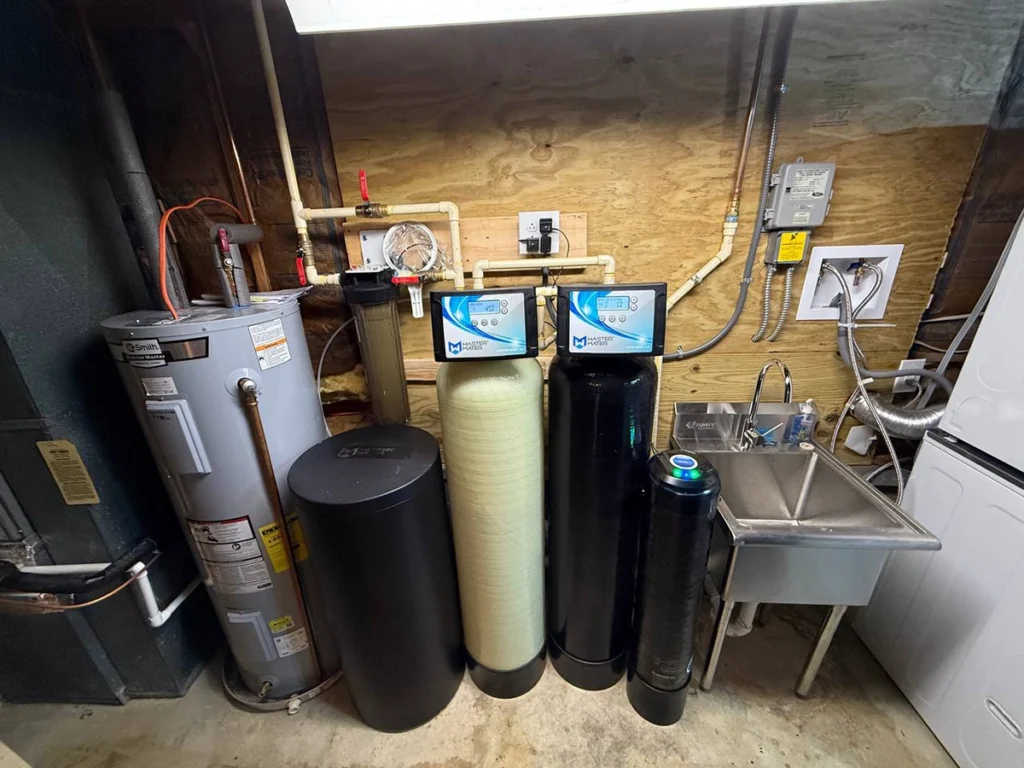
Water Softener for Well Water: Test First, Then Size the System to Your Hardness
Test the water before you buy a softener. Well water often carries hardness, iron and sediment that city water doesn't, and a result in grains per gallon tells you what the softener has to handle.
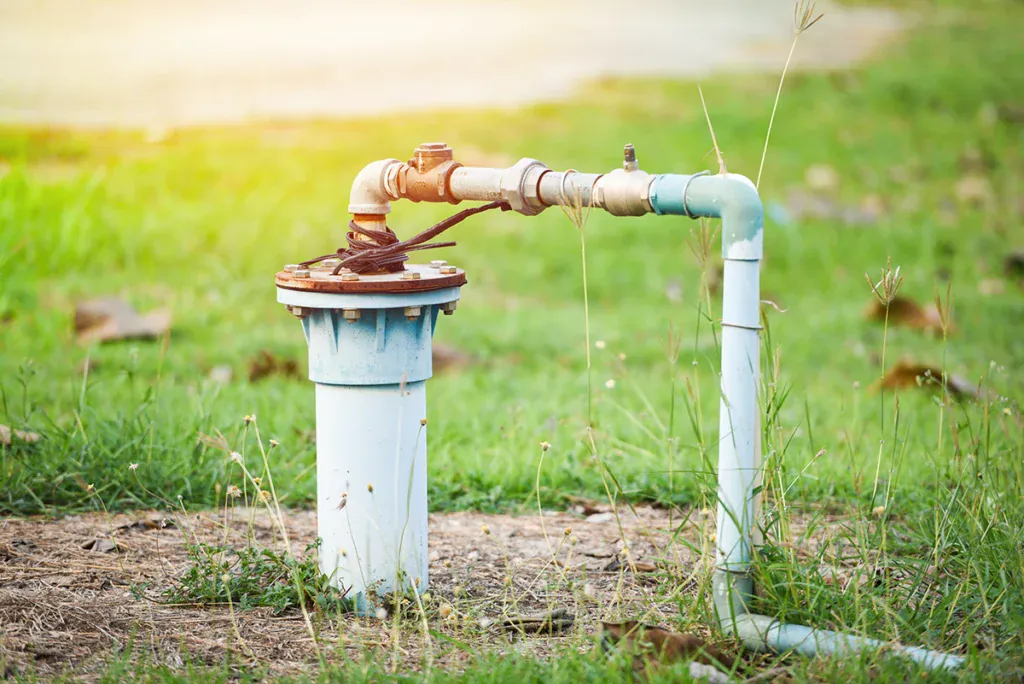
How Well Water Works, From the Aquifer to Your Faucet, Part by Part
How does groundwater get from the aquifer to your faucet? A pump near the bottom of the well pushes it up to a pressure tank that holds 40 to 60 PSI, and a switch restarts the pump whenever the pressure drops.
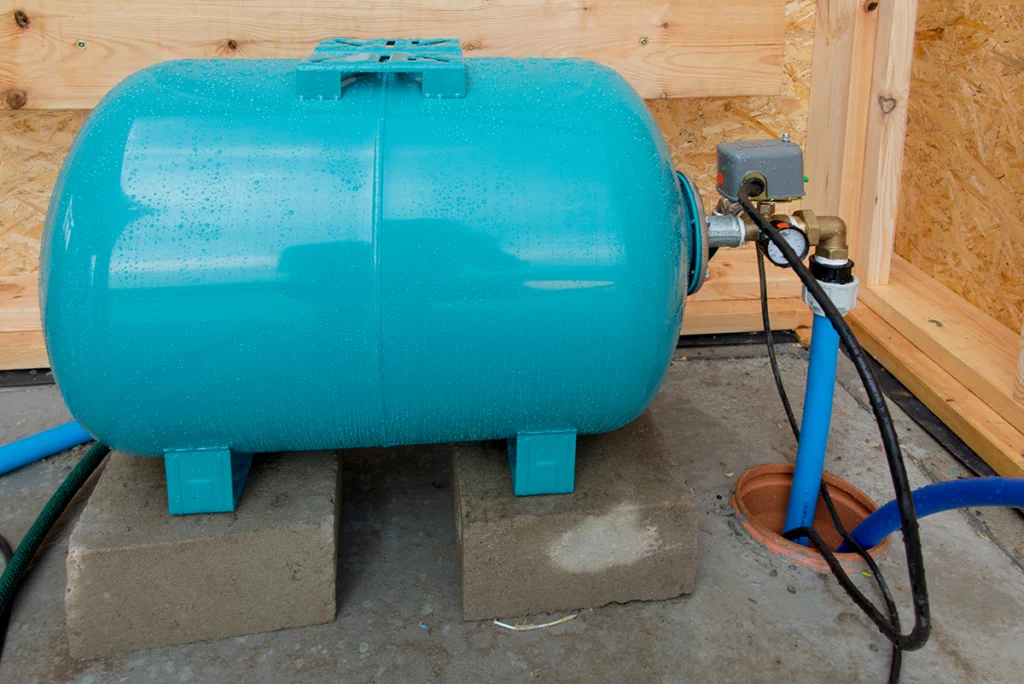
Well Pressure Tank: Three Signs It's Failing and How to Check It
Short cycling, uneven pressure and rust or leaks on a well tank point to a failed bladder or lost air charge. The check starts with a tire gauge.