What a Well Pump House Does and How It Keeps Your Pump From Freezing
Inside a pump house sits the equipment that moves water from your well into the house, sheltered from freezing. Five signs say yours needs attention.

What a Water Well Pump House Does
A water well pump house is a protective enclosure built over or near a well pump. Its main purpose is to shield sensitive components from weather, temperature swings, and physical damage. Although designs vary, most pump houses protect the pump, pressure tank, and electrical connections.
Because well systems operate year-round, exposure is a serious concern. Without protection, freezing temperatures, moisture, and debris can damage equipment. Over time, that exposure often leads to pressure problems, water loss, or complete system failure.
According to the U.S. Environmental Protection Agency, protecting private well components helps reduce contamination risks and prevent damage caused by environmental exposure. This is especially important in regions that experience freezing conditions or heavy rainfall.
Why a Water Well Pump House Matters More Than You Think
A water well pump house does more than just sit over equipment. It creates a controlled environment that keeps the system stable. Because pumps and pressure tanks are sensitive to cold, even one hard freeze can crack fittings or damage seals.
We often explain to customers that pump houses also help regulate temperature. When insulated correctly, they reduce stress on the pump motor and electrical components. As a result, systems last longer and perform more consistently.
Additionally, pump houses provide easier access for inspections and repairs. Instead of digging or working in the open, technicians can service components safely and efficiently.
Water Well Pump House and Freeze Protection
Cold weather is one of the biggest threats to well systems. That’s why a water well pump house should always include freeze protection measures. Insulation, sealed doors, and proper ventilation all help maintain stable temperatures.
In colder climates, homeowners often ask us about supplemental protection methods. In some situations, using heat tape on exposed water pipes can help reduce freezing risk, especially when insulation alone isn’t enough. This added layer of protection can prevent frozen pipes and emergency repairs during winter months.
The American Red Cross also recommends insulating and protecting exposed plumbing before freezing temperatures arrive to avoid water damage and system failures.
How a Water Well Pump House Connects to Your Plumbing System
A water well pump house is not a standalone structure. The equipment inside it connects to your home’s plumbing through the main supply line. Knowing what a water line is helps homeowners understand how water travels from the well into the house.
Inside the pump house, water moves from the well pump into a pressure tank. From there, it flows through the main water line toward the home. If that line is damaged or poorly insulated, pressure drops and flow issues often follow.
Because of this, the pump house location and line routing matter. Proper burial depth, insulation, and sealing all contribute to consistent water pressure and system reliability.
Pressure Control and Regulation
Water pressure is controlled by the well pump system, with key regulating components often located inside the pump house. Most systems rely on pressure switches and regulating components to keep pressure within a safe range. When these parts fail, homeowners may notice fluctuating pressure or loud cycling sounds.
In many service calls, we trace these symptoms back to PRV problems or pressure switch issues located inside the pump house. When pressure isn’t controlled properly, it can strain fixtures, damage appliances, and shorten the lifespan of the well pump.
Common Signs Your Pump House Needs Attention
Certain well system symptoms often trace back to environmental conditions around the well equipment, especially in enclosed or poorly insulated spaces.
- Sudden pressure drops, which can result from temperature swings or pressure control issues inside the pump house
- Frequent pump cycling, often caused by environmental stress affecting switches or tanks housed in the enclosure
- Unusual noises near the well, sometimes triggered by vibration or moisture within the pump house
- Frozen or damp components, a clear sign of poor sealing or inadequate insulation
- Rising energy usage, which can happen when the pump works harder due to unstable conditions
When these signs appear, early inspection of the pump house and well pump system usually prevents larger repairs.
Design Considerations for a Water Well Pump House
A well-built water well pump house doesn’t need to be complicated. However, it must be practical. Size should allow for safe access. Materials should resist moisture. Ventilation should prevent condensation without letting cold air rush in.
We often remind homeowners that pump houses don’t need to be fancy. They just need to be dry, insulated, and secure. Even small upgrades, like weather-sealed doors or added insulation, can make a noticeable difference.
When to Call a Professional
Although some homeowners handle basic upkeep, pump houses often contain pressure controls and system components that require professional attention. When pressure problems, cycling issues, or freeze-related damage show up, it’s usually a sign that the well pump system needs a closer look. At Clog Heroes Plumbing, Sewer & Drain, we offer well pump services that help identify issues tied to pump house conditions and overall well pump performance and prevent small problems from becoming major failures.
If you have questions about your well pump or notice early warning signs, contact us at Clog Heroes Plumbing, Sewer & Drain. We help homeowners in Fredericksburg and surrounding areas protect their water systems before problems grow.
FAQs
Understanding your system helps prevent unexpected issues. Below are a few common questions we hear.
Do I Need a Water Well Pump House?
If your pump or pressure tank is exposed, a pump house is strongly recommended for protection.
Can a Water Well Pump House Prevent Freezing?
Yes, when insulated and sealed properly, it helps maintain stable temperatures.
What Should Be Inside a Pump House?
Typically, the well pump, pressure tank, pressure switch, and electrical controls.
Do Pump House Needs Vary by Location?
Yes. Homes around Fredericksburg, VA often need extra freeze protection during winter months.
Pressure Dropping at the Well?
A Clog Heroes technician checks the pump, tank and controls and gives you a written price before any work starts. Calls are answered 24/7 at (540) 518-2564.
Filed under Wells & Pumps · All Guides
More Wells & Pumps Guides
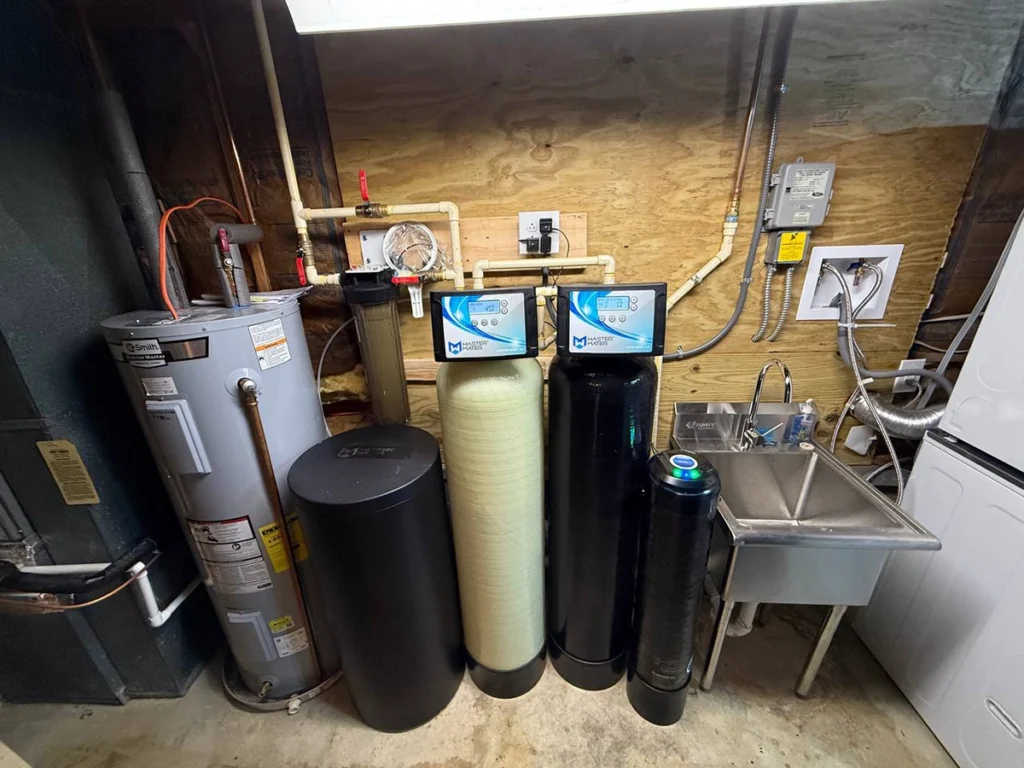
Water Softener for Well Water: Test First, Then Size the System to Your Hardness
Test the water before you buy a softener. Well water often carries hardness, iron and sediment that city water doesn't, and a result in grains per gallon tells you what the softener has to handle.
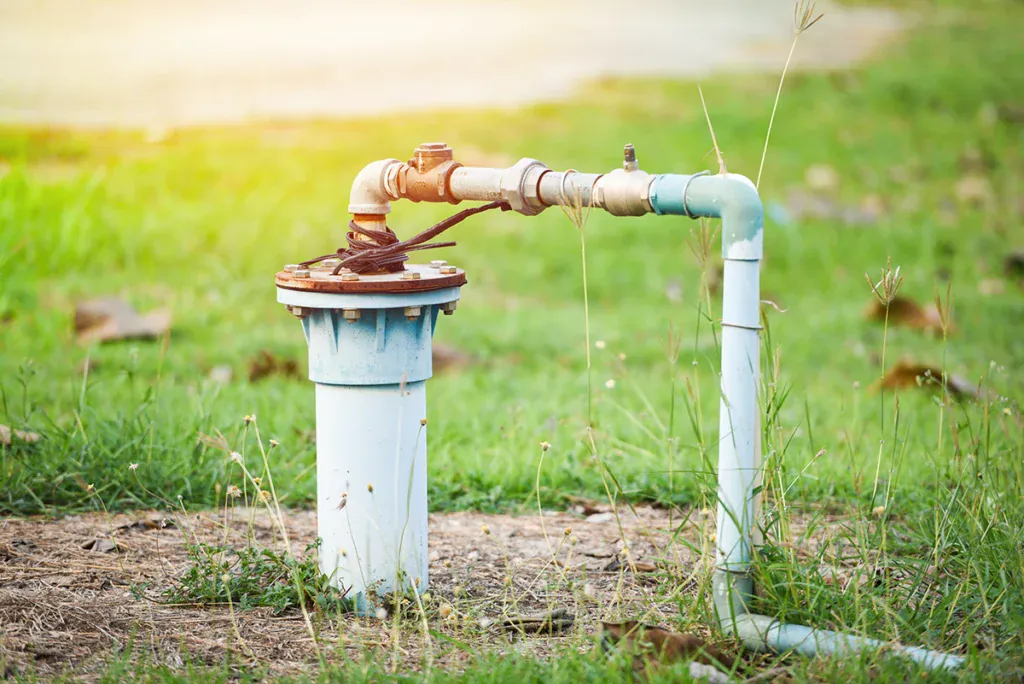
How Well Water Works, From the Aquifer to Your Faucet, Part by Part
How does groundwater get from the aquifer to your faucet? A pump near the bottom of the well pushes it up to a pressure tank that holds 40 to 60 PSI, and a switch restarts the pump whenever the pressure drops.
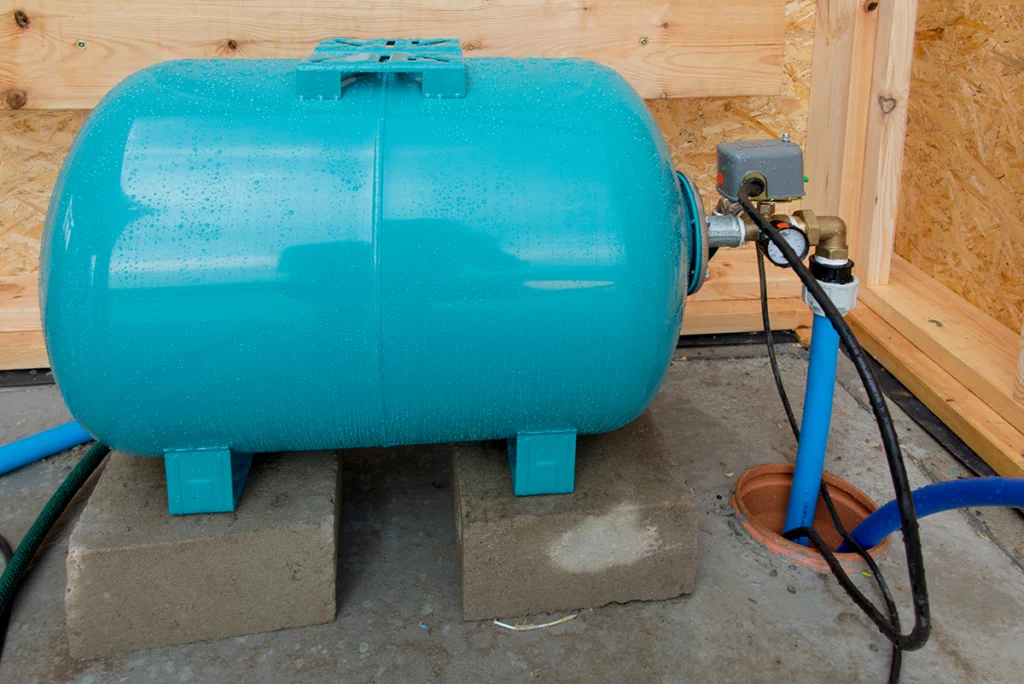
Well Pressure Tank: Three Signs It's Failing and How to Check It
Short cycling, uneven pressure and rust or leaks on a well tank point to a failed bladder or lost air charge. The check starts with a tire gauge.