Toilet Leaking at the Base? Why the Wax Ring or Flange Fails and the 10-Step Fix
Every flush makes a leak at the base of a toilet worse. The cause is usually a failed wax ring or a damaged flange, and the repair runs 10 steps.
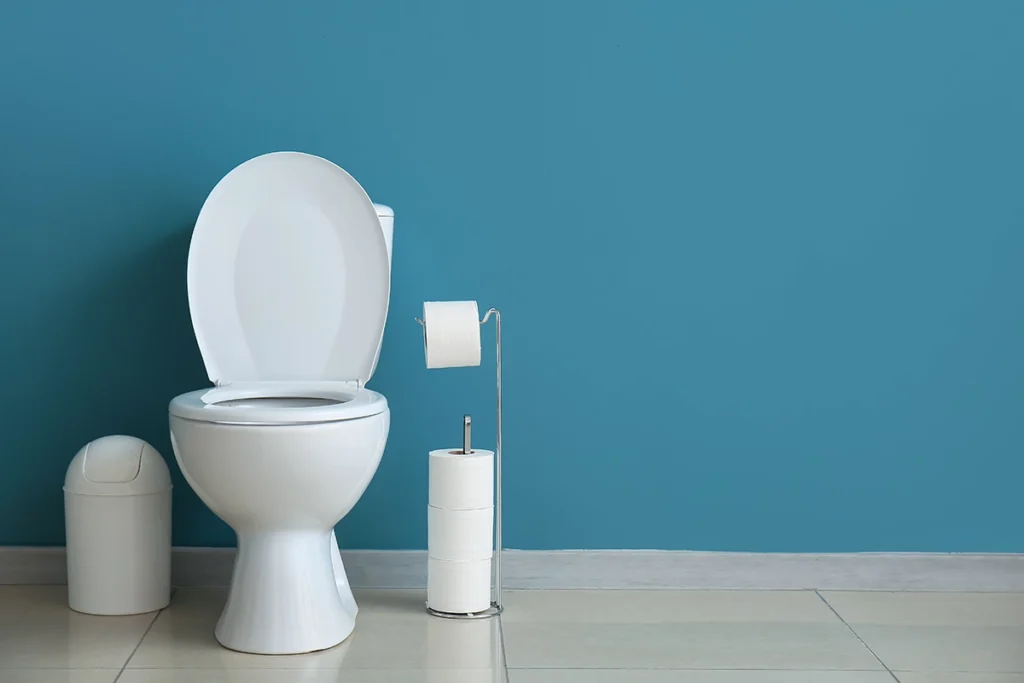
Nothing spoils a bathroom experience quite like water pooling around your toilet. If you’ve noticed your toilet leaking at the base, you’re dealing with a problem that won’t fix itself. That puddle might seem minor at first. However, even a small leak can lead to major issues like water damage, mold growth, and structural problems underneath your bathroom floor. We’ve helped countless homeowners in Fredericksburg, VA address this exact issue. We want to help you understand what’s happening and what comes next.
Why Your Toilet Is Leaking at the Base
The most common culprit is a failed wax ring—the seal between your toilet and the floor flange. This ring creates a watertight barrier that prevents water and sewer gases from escaping. Over time, the wax can deteriorate, compress, or break down completely.
Other causes include:
- Toilet loosened from the floor due to loose bolts
- Cracked or corroded flange (the pipe fitting connecting toilet to drain)
- Improper installation from previous repairs
- Temperature changes and settling foundations
- Excessive rocking when someone sits down
Warning Signs You Shouldn’t Ignore
Beyond visible puddles, watch for:
- Water appearing only after flushing
- Soft or spongy floor near the toilet
- Unpleasant odors or sewer gas smell
- Toilet rocks or wobbles when you sit on it
- Gurgling sounds or reduced flushing effectiveness
- Discoloration on ceilings below the bathroom
- Mold or mildew growth near the base
When to Check for Problems
Inspect around your toilet base regularly, especially if your home is more than ten years old. After any plumbing work, keep an eye out for new leaks. Don’t wait for a visible puddle to take action.
What Causes a Toilet Leaking From the Base
Wax rings typically last 20 to 30 years but various factors can shorten their lifespan. Incorrect installation is a preventable cause—if a previous repair didn’t seat the toilet properly, the wax ring never formed a complete seal.
Flange issues represent another major category:
- Flange sitting too low relative to finished floor
- Flange that’s too high
- Cracked or broken flanges
- Corroded metal flanges
- Cracked plastic flanges from overtightening or impact
The toilet itself might have developed cracks in the base, though this is less common. Manufacturing defects, dropping during installation, or overtightening bolts can all crack the porcelain.
How Professionals Address the Problem
The repair process involves:
- Shutting off water supply and draining the toilet completely
- Disconnecting the water line
- Removing nuts securing the toilet to the floor
- Lifting the toilet to inspect the wax ring and flange condition
- Repairing or replacing the flange if damaged
- Cleaning both the flange and toilet base thoroughly
- Positioning a new wax ring on the flange
- Carefully lowering the toilet back into place
- Tightening mounting bolts in a specific pattern
- Reconnecting water supply and testing for leaks
Why Professional Service Matters
Professional service provides lasting results. “We bring the right tools, including specialized flange repair kits and proper wax ring sizes.” Professionals can identify underlying issues that aren’t obvious to untrained eyes, preventing recurring problems.
Preventing Future Leaks
Once repaired, these practices help reduce chances of future leaks:
- Avoid using excessive force when cleaning around the toilet
- Call immediately if the toilet rocks or feels unstable
- Perform regular inspections for moisture, discoloration, or odors
- Have the wax ring replaced during bathroom renovations
- Be mindful of what gets flushed
- Avoid sitting down hard on the toilet or using it as a step stool
The Cost of Waiting
Small leaks don’t stay small. Water damage accelerates quickly, potentially requiring subfloor replacement and multiplying repair costs significantly.
Additional risks include:
- Mold growth posing health hazards
- Sewer gases leaking into your home
- Reduced home value during sale
- Ongoing water bill increases
The EPA WaterSense program notes that “the average household’s leaks can waste more than 9,300 gallons of water every year.”
When to Call Clog Heroes
Contact a professional the moment you notice water around your toilet base. Even small puddles can indicate substantial hidden damage. The company provides upfront estimates before beginning work and aims to fix problems correctly the first time.
Frequently Asked Questions About a Toilet Leaking at the Base
Why Is My Toilet Leaking at the Base Only When I Flush?
A toilet leaking only when flushed usually points to a worn wax ring, loose toilet connection, or damaged flange. Flushing sends water through the drain connection, and a compromised seal allows water to escape.
Can I Just Tighten the Bolts to Stop the Leak?
Tightening bolts usually does not fix the leak. If the wax ring has failed, the toilet must be removed and resealed. Over-tightening can crack the toilet base or damage the flange.
How Long Does It Take to Repair a Toilet Leaking at the Base?
Most repairs take one to two hours. A simple wax ring replacement may be quicker, while damaged flanges or water-damaged flooring can take longer.
Will My Homeowner’s Insurance Cover Water Damage From a Toilet Leak?
Coverage depends on the policy and cause. Many policies cover sudden, accidental water damage but may exclude gradual leaks or maintenance-related damage. Contact your insurance provider promptly with documentation.
Water on the Floor After Every Flush?
A Clog Heroes technician pulls the toilet, checks the wax ring and flange and gives you a written price before any work starts. Calls are answered 24/7 at (540) 518-2564.
Filed under Toilets · All Guides
More Toilets Guides
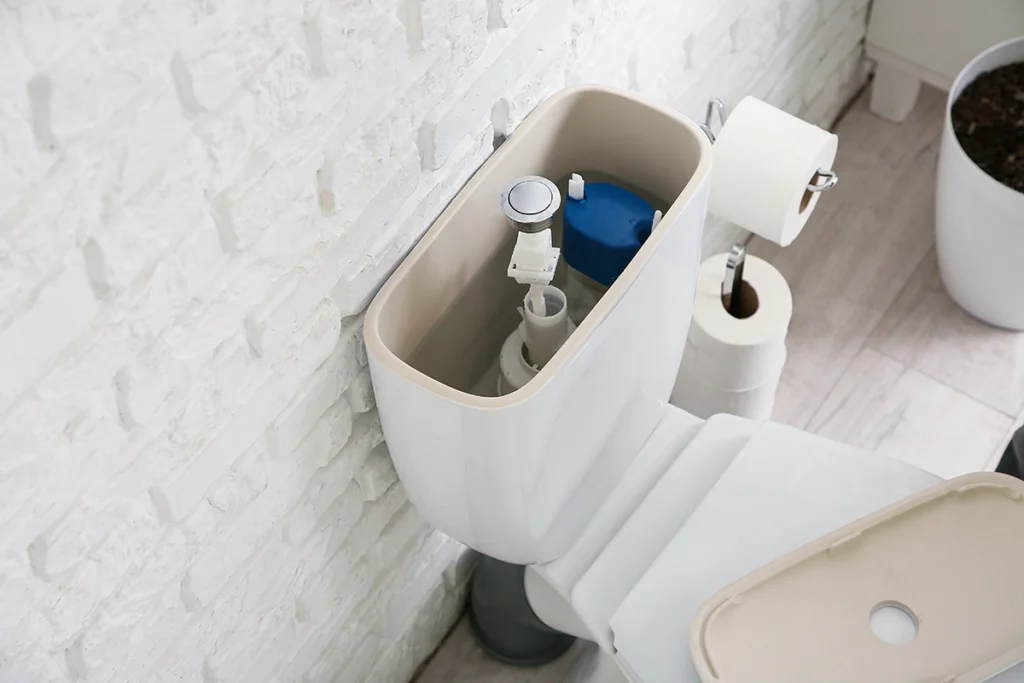
Six Toilet Tank Parts: What Each One Does and How to Tell Which One Failed
Most running, slow-filling and weak-flushing toilets trace back to one of six parts inside the tank. Each part fails with its own symptom, so the symptom points to the part.
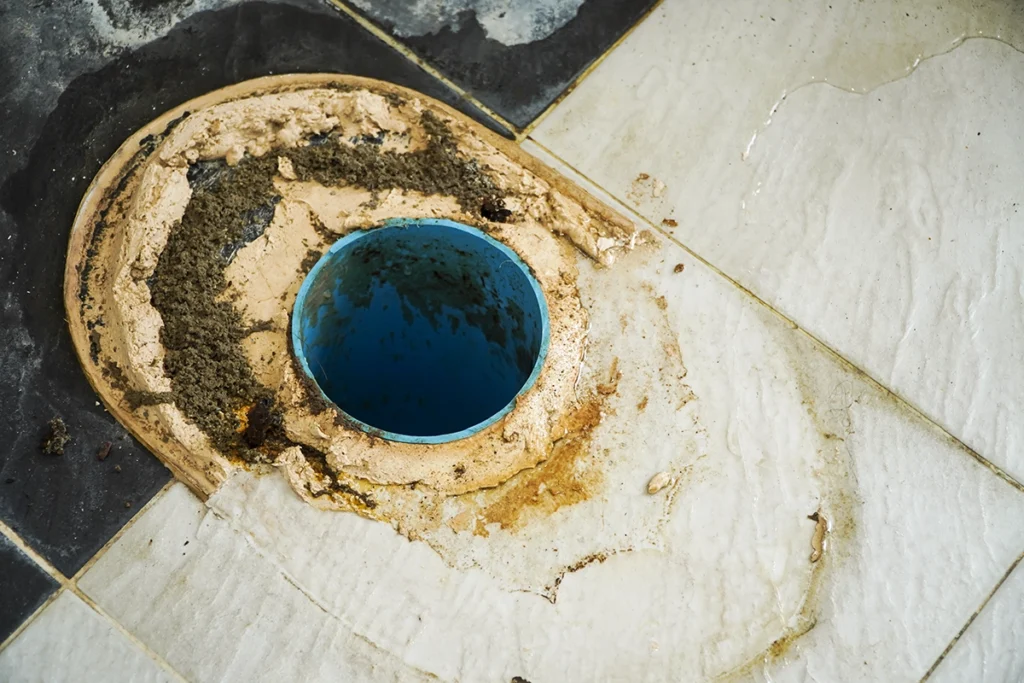
Offset Toilet Flange: When It Solves the Problem and When It Creates a New One
An offset flange shifts a toilet a short distance to fit a rough-in that's off, and it narrows the flow path in the process. That trade-off decides whether it's the right part or an alternative fits better.
Four Ways to Unclog a Toilet Without a Plunger, Using What's Already in Your House
No plunger in the house? Hot water and dish soap, baking soda and vinegar or a straightened wire hanger can clear most toilet clogs. When none of them works, the clog is likely deeper than the toilet.