
Five Signs of a Slab Leak and the Four Methods That Find It Without Breaking Concrete
Water bill climbing? A warm spot on the floor or the sound of running water with every tap off can also mean a pipe has failed under your slab. Listening equipment, thermal imaging and pressure tests are how it gets found.
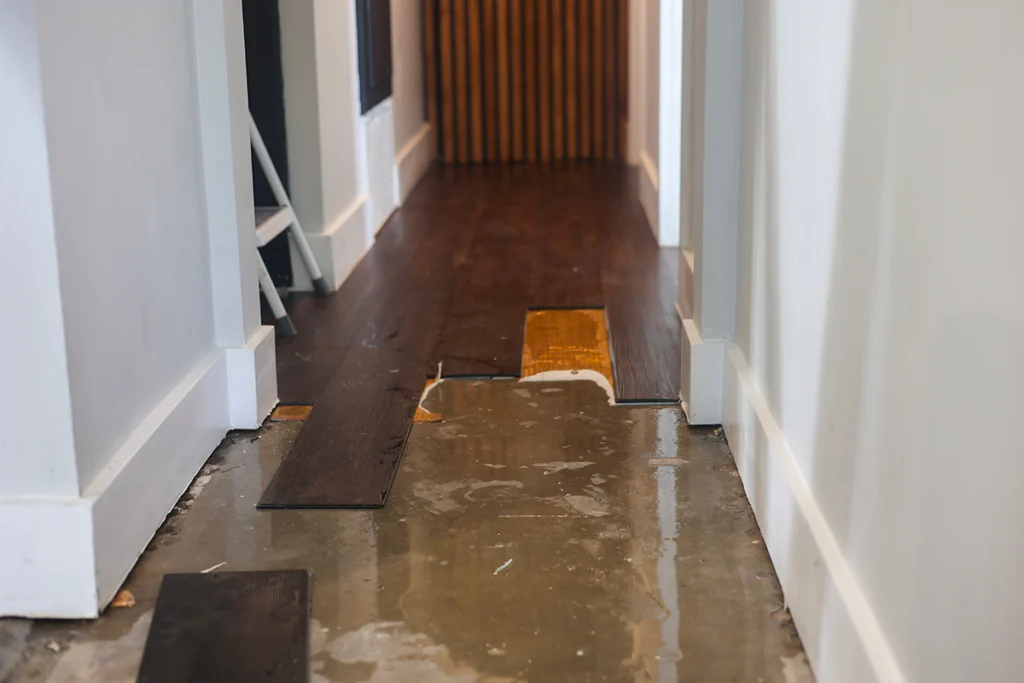
Slab leaks can be stressful because the problem is hidden beneath your home’s concrete foundation. You may only notice higher water bills, warm floor spots, moisture, or strange sounds before the damage gets worse. That’s why professional slab leak detection matters. With the right equipment, our team can locate hidden leaks quickly, explain your repair options, and help protect your home from costly foundation and plumbing damage.
What Is a Slab Leak and Why Does It Happen?
A slab leak occurs when water or sewer pipes beneath your home’s concrete foundation develop a crack or break. These pipes were installed before the concrete was poured, meaning they’re trapped underneath tons of solid material. Over time, several factors can cause these pipes to fail.
Corrosion is one of the most common causes. Older copper pipes can corrode from the inside out due to water chemistry, or from the outside due to soil conditions. Poor installation practices like kinked pipes or inadequate padding create weak points that eventually fail.
Shifting soil and settling foundations put tremendous pressure on rigid pipes. Even small ground movements can bend or crack pipes that have no room to flex. Similarly, extreme temperature changes can cause pipes to expand and contract, leading to stress fractures.
Warning Signs You Need Slab Leak Detection
Unexplained Water Bills and Meter Activity
One of the first indicators is a water bill that climbs without explanation. If your usage habits haven’t changed but your bill has spiked, water may be escaping somewhere you can’t see.
Warm Spots on Your Floor
Hot water line leaks often create warm or hot spots on your floor. If you notice an area of your flooring that feels warmer than the surrounding space, this could indicate a leak beneath the slab.
Sounds of Running Water
When your home is quiet and no fixtures are running, you shouldn’t hear the sound of flowing water. If you notice a hissing, rushing, or trickling sound coming from your floors or walls, water may be actively leaking.
Cracks in Walls and Floors
While some foundation cracks are normal settling, new cracks or growing cracks could signal a slab leak. Water escaping beneath your foundation can erode soil, causing the slab to shift and crack.
Moisture and Mildew Problems
Excess moisture from a leak can travel upward through your concrete slab, creating damp carpet, wet baseboards, or mildew growth along floor edges.
Professional Slab Leak Detection Methods We Use
Electronic Leak Detection Equipment
Specialized devices amplify the distinct frequencies that leaking water creates as it exits a pipe and enters the surrounding soil or concrete. Trained technicians can interpret these signals to narrow down the leak location.
Infrared Thermal Imaging
For hot water line leaks, infrared cameras can detect temperature differences in your flooring. These thermal imaging devices create a visual map showing exactly where heat is concentrated.
Pressure Testing and Line Isolation
By isolating different zones and monitoring pressure drops, technicians can determine which line is leaking. This process helps rule out other potential sources and confirms the leak is beneath the slab.
Video Camera Inspection
Small waterproof cameras can be inserted into plumbing lines to visually inspect pipes from the inside. While this method has limitations with slab leaks, it can sometimes reveal cracks, corrosion, or other damage.
What Happens After Slab Leak Detection?
Once the exact leak location is identified, repair options depend on several factors: leak location, age and condition of your plumbing system, and extent of damage.
For isolated leaks in otherwise healthy pipes, targeted repair might involve accessing the damaged section through the slab. For homes with older plumbing systems or multiple potential failure points, rerouting might make more sense, running the affected line through walls or attic spaces.
Why Quick Detection Matters
Every day a slab leak continues, more water escapes into the soil beneath your home. This constant moisture can erode the ground supporting your foundation, leading to settling, cracking, and structural instability.
That escaping water also drives up utility bills. Depending on the size and location of the leak, hundreds of gallons per day could be lost. Persistent moisture creates the perfect environment for mold growth, affecting air quality and health.
If the leak involves your sewer line rather than a water supply line, problems multiply. Sewage escaping beneath your home creates serious health hazards and can contaminate surrounding soil. “Household leaks can waste nearly 1 trillion gallons of water annually nationwide,” making prompt detection and repair both environmental and financial priorities.
Frequently Asked Questions
How Much Does Slab Leak Detection Cost?
Slab leak detection costs vary based on your home’s size, plumbing layout, and the type of testing needed. Upfront pricing is provided before work begins.
Can I Detect a Slab Leak Myself?
While homeowners can identify warning signs like high water bills, warm floor spots, or unexplained moisture, pinpointing the exact leak location requires professional equipment and expertise. Electronic listening devices, thermal imaging cameras, and pressure testing tools require specialized training.
How Long Does Slab Leak Detection Take?
Most detection appointments take two to four hours depending on your home’s size and plumbing layout.
Will Detecting a Slab Leak Damage My Floors?
No, modern detection methods are completely non-invasive. Electronic listening devices, thermal imaging, and pressure testing locate leaks without breaking through concrete or removing flooring. Damage only occurs during the actual repair process.
Warm Spot on the Floor?
A Clog Heroes technician locates the leak and gives you a written price for the repair before any work starts. Calls are answered 24/7 at (540) 518-2564.
Filed under Leaks & Water · All Guides
More Leaks & Water Guides

Slab Leak Repair: How the Leak Is Found, the Three Ways It's Fixed and How Long It Takes
Most slab leak repairs take one to three days, and waiting only adds to the damage. Once the leak under the foundation is pinpointed, the choice is rerouting, epoxy coating or direct pipe repair.
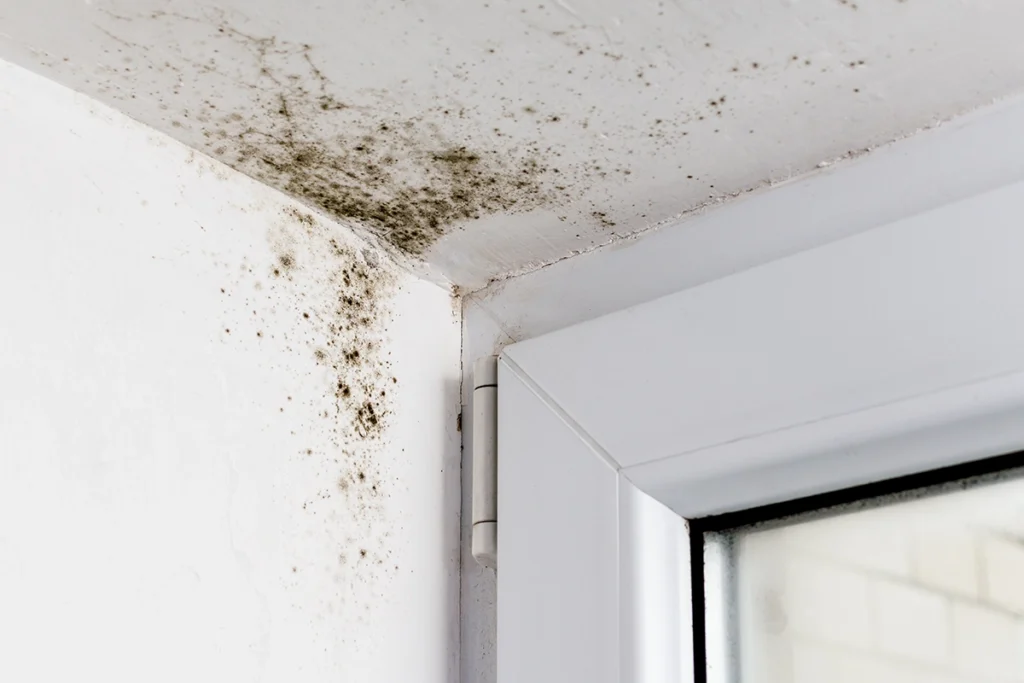
Water Leaking From the Ceiling? Four Common Sources and Three Things to Do Right Now
Burst pipes, upstairs plumbing, a water heater above or a drain line can all send water through a ceiling. Shut off the water, protect the area below and stay clear of wiring. Then find the source.
Six Reasons the Water Pressure Is Low in Your House, and How to Tell Which One You Have
Low pressure at one faucet points to that fixture. Low pressure everywhere points to a valve, a leak, the pressure regulator or the city supply. Four checks narrow it down.