S Trap vs P Trap: Why Code Moved on From the S Trap and When to Replace Yours
An S trap can siphon its own water seal dry and let sewer gas into the room. A vented P trap keeps the seal. Check which one sits under your sink before deciding whether to switch.
What Are Traps and Why Do They Matter?
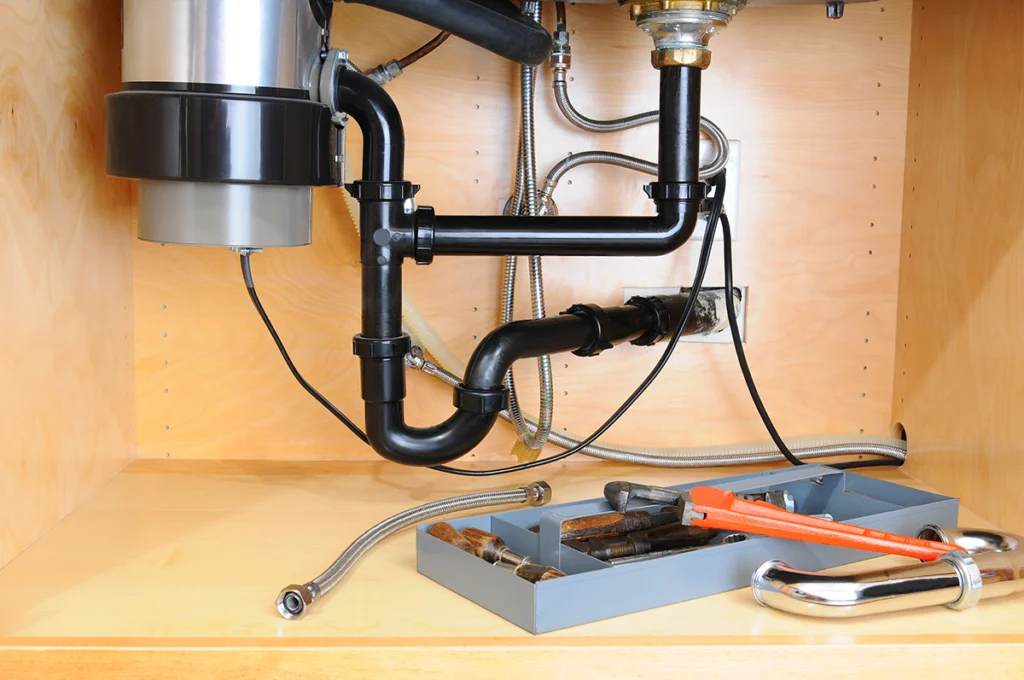
Before diving into the s trap vs p trap debate, let’s start with the basics. A plumbing “trap” is the curved section of pipe under your sink that holds a small amount of water. That water acts as a barrier, blocking unpleasant odors and gases from coming back up from your sewer line.
Without a trap, your home could fill with methane or other hazardous fumes. Traps are required by building codes for a reason—they protect your health and your home.
S Trap vs P Trap: The Design Difference
When you look at an s trap vs p trap, the main difference is in their shape and the way they connect to your plumbing system.
An S trap looks like the letter “S” turned sideways. It drops straight down from the sink drain, loops up, and then connects directly into the floor drain. The problem? That vertical setup often pulls too much water out of the trap, breaking the seal and allowing sewer gases to escape. According to the 2024 International Plumbing Code (Section 1002.3), S traps are explicitly prohibited in modern plumbing systems because they can’t maintain a proper water seal.
A P trap, on the other hand, looks like—you guessed it—a “P” laid on its side. It connects horizontally to the wall, not the floor. That horizontal connection helps maintain a consistent water seal, preventing air from siphoning water out of the trap. It’s the modern standard and what we install on all new sinks at Clog Heroes.
Why S Traps Are Outdated
S traps were common in older homes, especially those built before the 1960s. They worked fine at first, but they had one major flaw: air pressure. Because there’s no vent between the drain and the sewer line, an S trap can create a vacuum. That vacuum pulls the water right out of the curve. Once that happens, the barrier disappears—and sewer gases can travel up into the house. No homeowner wants to deal with that. If you notice drainage issues or foul odors, check out our detailed post on sewer inspections. It explains how inspections uncover hidden plumbing problems before they become serious.
Here’s a quick example from the field: I once replaced an old S trap under a 1940s kitchen sink that had a persistent smell no cleaner could fix. The problem wasn’t the sink—it was the trap losing its seal every few days. Switching it to a vented P trap solved the issue immediately.
P Traps: The Safer, Code-Approved Option
Today, the P trap is the only type approved under most modern plumbing codes. It stays filled with water and connects to a vent pipe that equalizes pressure, so the seal stays intact and keeps harmful gases out of your home. The Illinois Department of Public Health explains that “sewer gases containing hydrogen sulfide can cause nausea, headaches, and other health problems when they leak indoors.” That’s why maintaining a proper P trap isn’t just about code compliance—it’s about keeping your home safe.
Plus, P traps are easier to clean, maintain, and replace, which makes them a smarter long-term choice. Most modern versions are made from durable materials like PVC, which resist corrosion and are simple to install. If you’re curious about the benefits of this material, check out our post on what PVC is and why plumbers rely on it.
Common Problems We See With P Traps
Even though P traps are more reliable, they’re not maintenance-free. Over time, buildup from soap scum, grease, and debris can slow drainage or cause odors. (If your sink starts to gurgle, that’s your plumbing trying to tell you something.)
Regular cleaning or using an enzyme-based drain cleaner can help. But if you notice frequent clogs or persistent smells, that’s when you should give a professional a call. At Clog Heroes, we’ve seen it all—from double-trapped sinks to vent lines that were never connected. Small mistakes like these can cause big plumbing headaches.
When to Replace an S Trap With a P Trap
If your home still has an S trap, replacing it is more than just an upgrade—it’s a safety fix. In many cases, you’ll need to reroute the drain to the wall instead of the floor, then install a vent or air admittance valve. It’s not always a simple DIY, especially in tight spaces or older cabinetry.
We’ve converted countless S traps to P traps for homeowners who were renovating or simply tired of the sewer smell. The peace of mind alone is worth it.
S Trap vs P Trap: Which One Should You Have?
When it comes to s trap vs p trap, the winner is clear. P traps are safer, code-compliant, and far more reliable. If your home still has S traps, it’s time to plan an upgrade before problems start. Whether it’s part of a kitchen remodel or a simple sink repair, updating your plumbing to current standards protects your home and your health.
At Clog Heroes Plumbing, Sewer & Drain, we help homeowners across Fredericksburg and nearby Virginia communities. We replace outdated traps and install modern systems that meet today’s building codes. If you’re not sure what kind of trap you have, we’re happy to take a look. Contact us today to schedule a plumbing inspection or repair service.
Frequently Asked Questions: S Trap vs P Trap
What Happens If I Keep an S Trap?
If you leave an S trap in place, you risk losing the water seal that prevents sewer gases from entering your home. Over time, this can create health hazards and persistent odors.
Can I Convert an S Trap to a P Trap Myself?
While some handy homeowners can do it, most cases require rerouting plumbing lines and adding vents. It’s best to let a licensed plumber handle the conversion to stay within code.
How Often Should I Clean My P Trap?
Cleaning every few months is ideal, especially for kitchen sinks. If you notice slow drainage or odors, removing and cleaning the trap can usually solve the issue.
Have an Old S Trap?
A Clog Heroes technician converts it to a vented P trap and gives you a written price before any work starts. Calls are answered 24/7 at (540) 518-2564.
Filed under Drains · All Guides
More Drains Guides
How to Get Rid of Drain Flies by Clearing the Slime They Breed In
Spraying adult drain flies won't stop them. They lay their eggs in the slime that lines slow and rarely used drains, so the fix is to find the drain they're using, clear it and keep it clean.
The P-Trap Under Your Sink: How It Blocks Sewer Gas and What to Do When It Fails
Two to four inches of water in the bend under your sink is all that keeps sewer gas out of the house. Code requires that trap, and it gives trouble in three ways: clogged, dry or leaking.
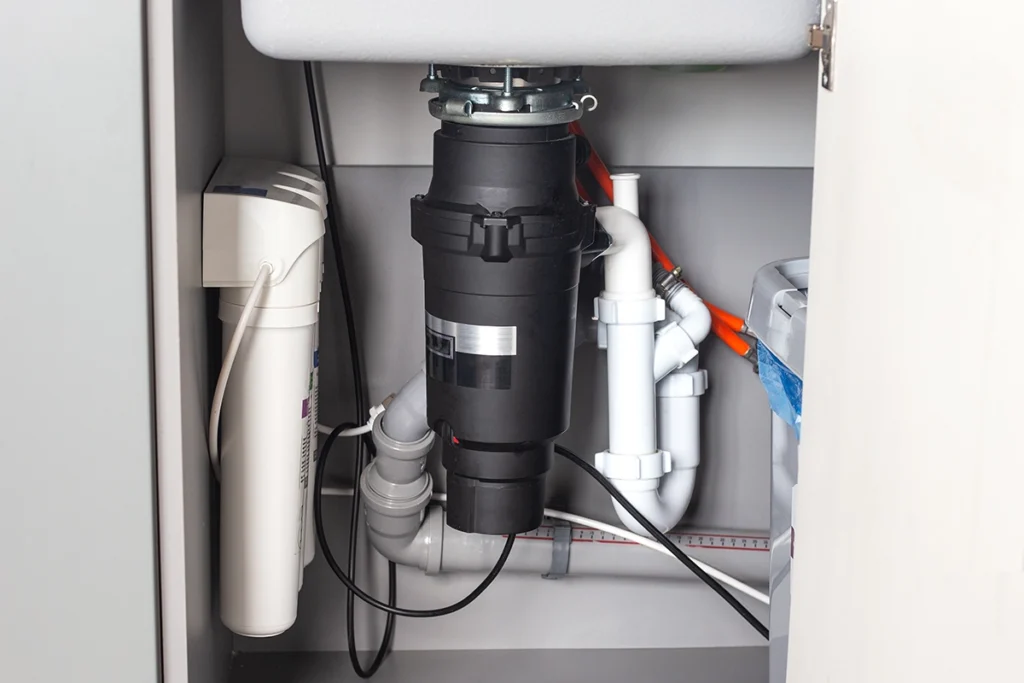
How P Traps and S Traps Work, and How to Tell Which One Is Under Your Sink
Both traps hold water to block sewer gas, but only the P trap holds it reliably. Here's how each design works, what code requires and how to identify yours.