Bleach Only Kills Drain Flies for a While. Here's What Gets Rid of Them
Bleach kills a few adult flies and larvae on contact, then leaves behind the buildup they breed in. Four steps work better, and a strip of tape over the drain tells you when they're gone.
If you’ve noticed tiny moth-like insects hovering near your sink or shower, you’re probably dealing with drain flies. Also known as sink flies, filter flies, or sewer gnats, these pests thrive in moist environments where organic matter accumulates.
Will Bleach Kill Drain Flies?
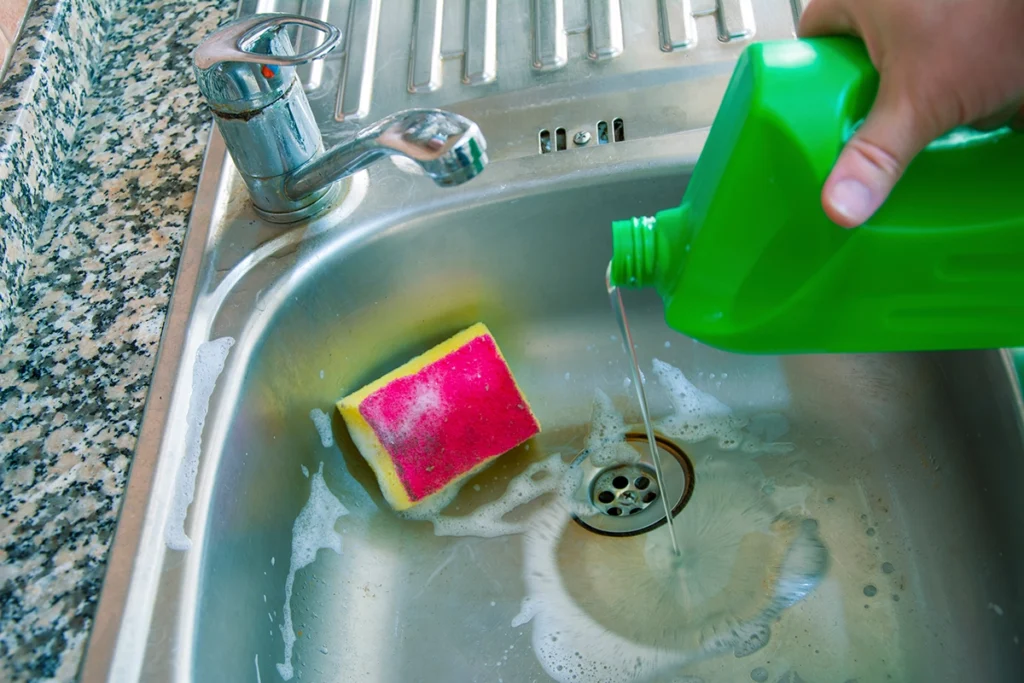
Yes, bleach can kill drain flies—but only temporarily and not effectively enough to eliminate the problem long-term. Pouring bleach down your drain might kill a few adult flies and larvae on contact, but it won’t penetrate the gunk coating your pipes. That slimy buildup is where the flies lay eggs and reproduce. Since bleach often passes quickly through the system without fully removing this organic matter, it fails to destroy the breeding ground, which means the infestation usually returns.
Why Are Drain Flies in My House?
Drain flies lay eggs in the moist, organic slime that builds up inside drains and sewer lines. They’re drawn to slow or clogged drains where stagnant water and waste create a perfect environment. Common hotspots include:
- Kitchen sinks
- Bathroom sinks
- Shower and bathtub drains
- Basement floor drains
- Utility sinks or laundry tubs
- Overflow drain openings
Even if you keep a clean home, these hidden areas can become breeding grounds if regular maintenance is overlooked.
What Will Kill Drain Flies Better Than Bleach
Because bleach effectiveness is such a common question, let’s talk about what actually works better—and why. The key is not just killing the visible flies, but eliminating the source of their reproduction. Here’s a step-by-step plan that’s more effective:
1. Physically Clean the Drain
Remove the drain cover and use a stiff pipe brush or plumber’s snake to scrub the walls of the pipe. This dislodges the gelatinous layer where eggs and larvae hide. Don’t forget to clean under the stopper and any other components that collect debris. Finish by flushing the drain with boiling water.
2. Use an Enzyme-Based Cleaner
Unlike bleach, enzyme-based drain cleaners are designed to break down organic buildup over time. These cleaners contain natural bacteria that feed on gunk, making them a safer and more effective solution. Pour it in at night, allow it to sit undisturbed for several hours (or overnight), and rinse with warm water in the morning.
3. Try the Tape Test to Monitor Activity
Place a strip of clear duct tape over the drain at night, sticky side down. In the morning, check for drain flies caught on the tape. If you see flies, you still have an infestation. Repeat cleaning and treatments until no more flies are trapped.
4. Inspect and Fix Moisture Issues
Drain flies don’t just breed in drains—they also thrive around leaky pipes, sump pumps, and other damp spots. Look under sinks and around appliances for any signs of standing water or slow leaks. Repairing these issues helps eliminate alternate breeding sites.
Why Bleach Doesn’t Work Long-Term to Kill Drain Flies
Bleach might offer short-term relief, but it’s not ideal for resolving a full-blown infestation. Here’s why:
- Ineffective at removing buildup: Bleach doesn’t cling to surfaces well and usually flows past the biofilm layer where eggs are laid.
- Pipe damage risk: Frequent use of bleach can degrade older plumbing systems, especially PVC or cast iron.
- Health hazards: Bleach fumes can be dangerous in poorly ventilated areas and even more harmful when mixed with other chemicals.
If you’ve been dumping bleach down your drain and still seeing flies, it’s time to try something more effective.
DIY Drain Fly Prevention Tips
After you eliminate the current infestation, your goal should be to prevent them from coming back. Here are a few helpful prevention methods:
- Run hot water regularly in guest bathrooms or utility sinks that don’t get daily use.
- Avoid pouring grease or coffee grounds down the kitchen sink.
- Clean garbage disposals by grinding citrus peels or ice cubes with a bit of dish soap.
- Use vinegar and baking soda monthly to flush out buildup naturally.
- Install drain screens to catch hair and food before it enters your pipes.
Creating a maintenance routine helps keep your drains clean and your home pest-free.
Other Myths About Like Bleach Kill Drain Flies
When people ask about bleach’s effectiveness, it often leads to other questionable home remedies. Let’s clear up a few more myths:
- Boiling water alone won’t solve it. It helps flush pipes but won’t remove thick slime buildup.
- Pouring vinegar or lemon juice won’t kill flies. These liquids can deodorize drains but have limited impact on larvae and eggs.
- Using insect spray is a short-term fix. It may kill the adults you see, but not the ones emerging from the drain tomorrow.
Effective drain fly control is about cleaning the source, not just treating the symptoms.
When to Call the Professionals
If you’ve cleaned the drains, tried enzyme treatments, and are still struggling with the issue—you may need professional help. Some infestations stem from hidden issues like cracked pipes, broken sewer lines, or blocked vents.
Professional services can use advanced tools and techniques to identify root causes, inspect, clean, and repair drains to ensure long-term results while protecting your home’s plumbing system.
Drain Flies Keep Coming Back?
Buildup deep in the drain may be feeding them. A Clog Heroes technician clears the line and gives you a written price before any work starts. Calls are answered 24/7 at (540) 518-2564.
Filed under Drains · All Guides
More Drains Guides
How to Get Rid of Drain Flies by Clearing the Slime They Breed In
Spraying adult drain flies won't stop them. They lay their eggs in the slime that lines slow and rarely used drains, so the fix is to find the drain they're using, clear it and keep it clean.
The P-Trap Under Your Sink: How It Blocks Sewer Gas and What to Do When It Fails
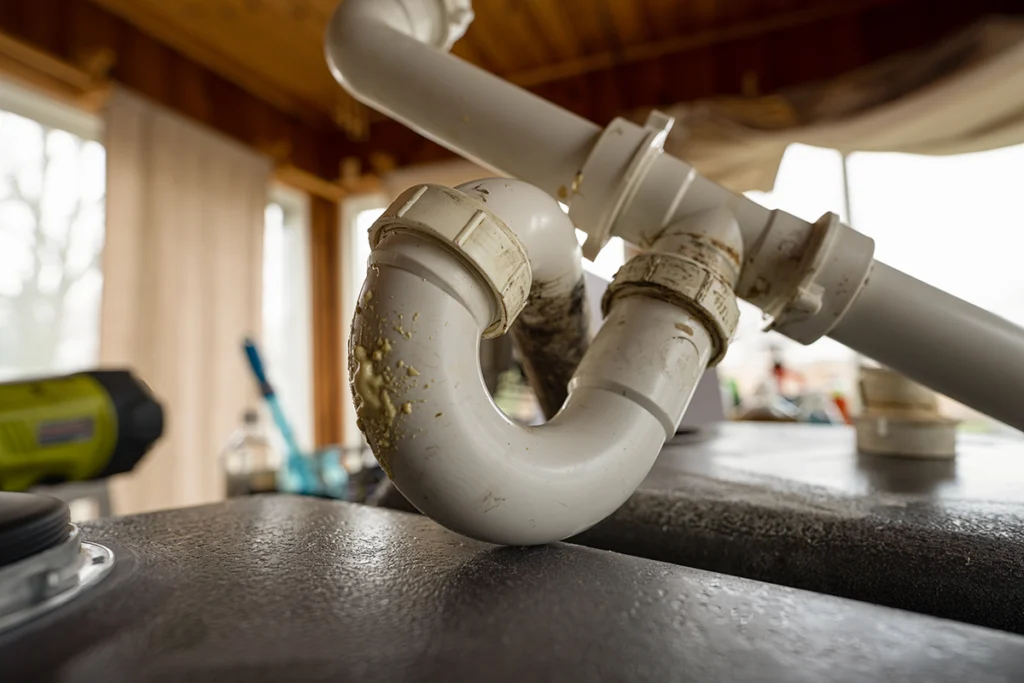
Two to four inches of water in the bend under your sink is all that keeps sewer gas out of the house. Code requires that trap, and it gives trouble in three ways: clogged, dry or leaking.
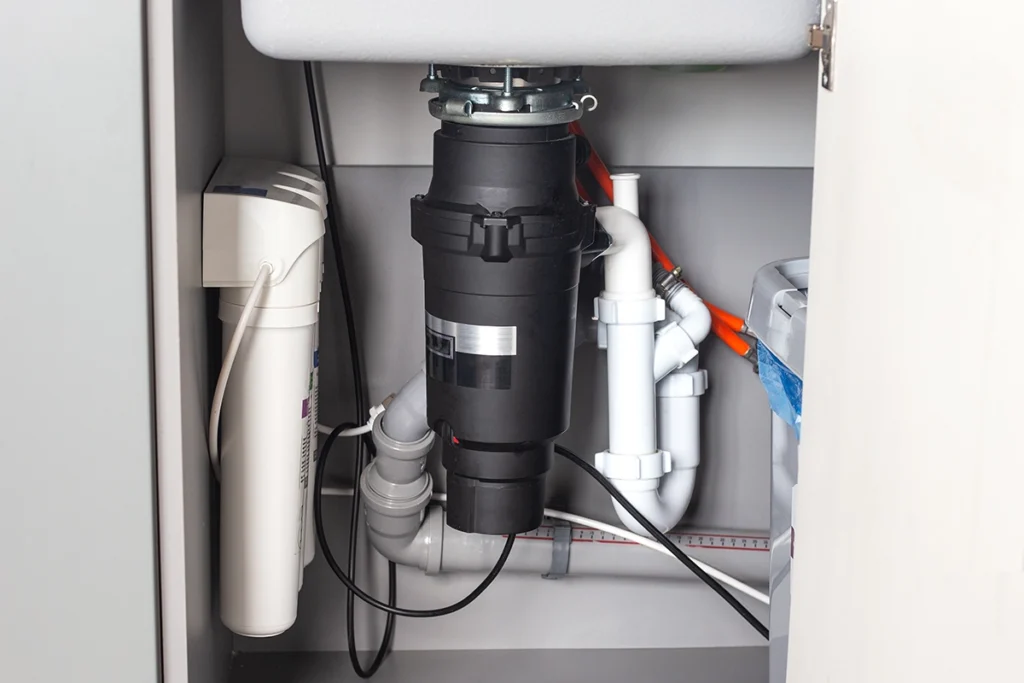
How P Traps and S Traps Work, and How to Tell Which One Is Under Your Sink
Both traps hold water to block sewer gas, but only the P trap holds it reliably. Here's how each design works, what code requires and how to identify yours.