Footing Drains: How They Keep Groundwater Out of Your Basement and the Signs You Need One
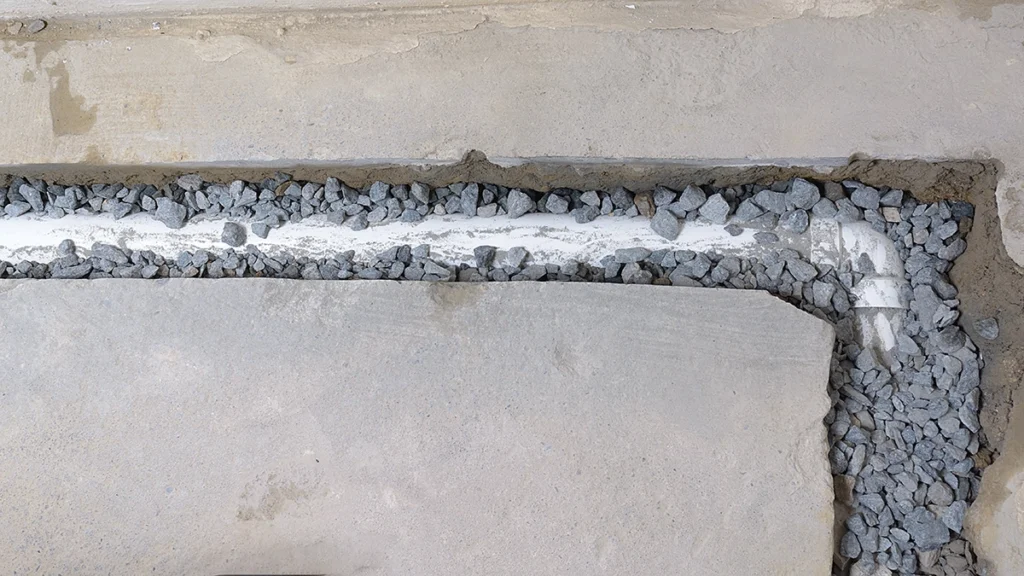
A footing drain is a perforated pipe in gravel along the base of your foundation. It collects groundwater and carries it away before it reaches the basement. It isn't a French drain, and it can go in after the house is built, though that means digging around the foundation.
Water intrusion is one of the most common and costly threats to a home’s foundation. If you’ve experienced a damp basement or noticed water pooling around your home after a rainstorm, the issue might be poor drainage. One of the most effective solutions is a footing drain.
What Is a Footing Drain?
A footing drain is a type of perimeter drainage system installed at the base of a home’s foundation. Its purpose is to collect and redirect groundwater away from the structure before it can seep into the basement or crawl space.
Typically made from perforated PVC or corrugated plastic piping, footing drains are installed alongside the home’s footing—the concrete base that supports the foundation walls. The drainpipe is surrounded by gravel and often wrapped in a filter fabric to prevent soil and sediment from clogging the system.
How Does a Footing Drain Work?
The footing drain lies at the lowest point around your foundation. When rainwater or groundwater builds up in the soil, it naturally flows toward this low point. The perforated pipe collects the water and carries it to a safe discharge point, such as a storm sewer, dry well, or daylight drain downhill from the house.
This process prevents hydrostatic pressure—the force of water pushing against your foundation—from causing cracks, leaks, or structural damage over time.
Why Homes in Fredericksburg Need Footing Drains
Here in Fredericksburg, VA, our region is no stranger to heavy rainfall, clay soil, and sloped lots—all of which contribute to water pooling around home foundations. If your home lacks a proper footing drain, you may face recurring issues like:
- Damp or musty basements
- Mold or mildew growth
- Wall or floor cracks
- Erosion around your foundation
- Flooding after storms
A well-designed footing drain system helps prevent these problems before they start, providing long-term protection and peace of mind.
Signs You May Need a Footing Drain
Not every home comes with a footing drain, especially older properties. If you’re unsure whether your home has one—or if your current drainage is failing—look out for the following signs:
- Standing water near the foundation
- Water stains on basement walls
- Wet basement carpeting or flooring
- Efflorescence (white, chalky residue) on basement walls
- Foundation cracks or settling
If any of these are present, it’s time to consult a professional drainage expert.
Footing Drain vs. French Drain: What’s the Difference?
Many homeowners confuse a footing drain with a French drain, and while they operate on similar principles, they serve different purposes.
- A footing drain is installed during the construction of a home, positioned at the base of the foundation to prevent water from seeping in.
- A French drain is a surface or subsurface drain typically installed later to address specific water pooling problems in lawns or driveways.
Both systems involve perforated pipes and gravel, but the key difference is location and intended use. A footing drain is more permanent and integral to the home’s structural protection.
Can a Footing Drain Be Installed After Construction?
Yes—but it’s more labor-intensive than installing one during the initial build. Retrofitting a footing drain involves excavating around the home’s foundation, which can be costly and disruptive. However, in cases of chronic basement flooding or foundation damage, the investment can prevent tens of thousands in long-term repairs.
Maintaining Your Footing Drain System
Like any plumbing or drainage system, footing drains require occasional maintenance to stay effective. Over time, debris, silt, or root intrusion can clog the pipe and compromise its performance.
Here’s how to maintain your drain:
- Make sure gutters and downspouts are clear and properly directed away from the home.
- Avoid planting trees or shrubs with aggressive roots near the foundation.
- Periodically flush the drainage pipe if an access point is available.
- Watch for signs of water backup or reduced drainage performance.
If your system is older or wasn’t installed with proper filtering materials, it may be more prone to clogging and require professional inspection.
Final Thoughts on Footing Drains
A footing drain is one of the most essential systems for protecting your home’s foundation and basement from water damage. If your home doesn’t have one—or if your existing system is failing—addressing the issue now can save you from far bigger headaches down the line.
Damp Basement After Every Rain?
A Clog Heroes technician checks how water is reaching your foundation and gives you a written price before any work starts. Calls are answered 24/7 at (540) 518-2564.
Filed under Drains · All Guides
More Drains Guides
How to Get Rid of Drain Flies by Clearing the Slime They Breed In
Spraying adult drain flies won't stop them. They lay their eggs in the slime that lines slow and rarely used drains, so the fix is to find the drain they're using, clear it and keep it clean.
The P-Trap Under Your Sink: How It Blocks Sewer Gas and What to Do When It Fails
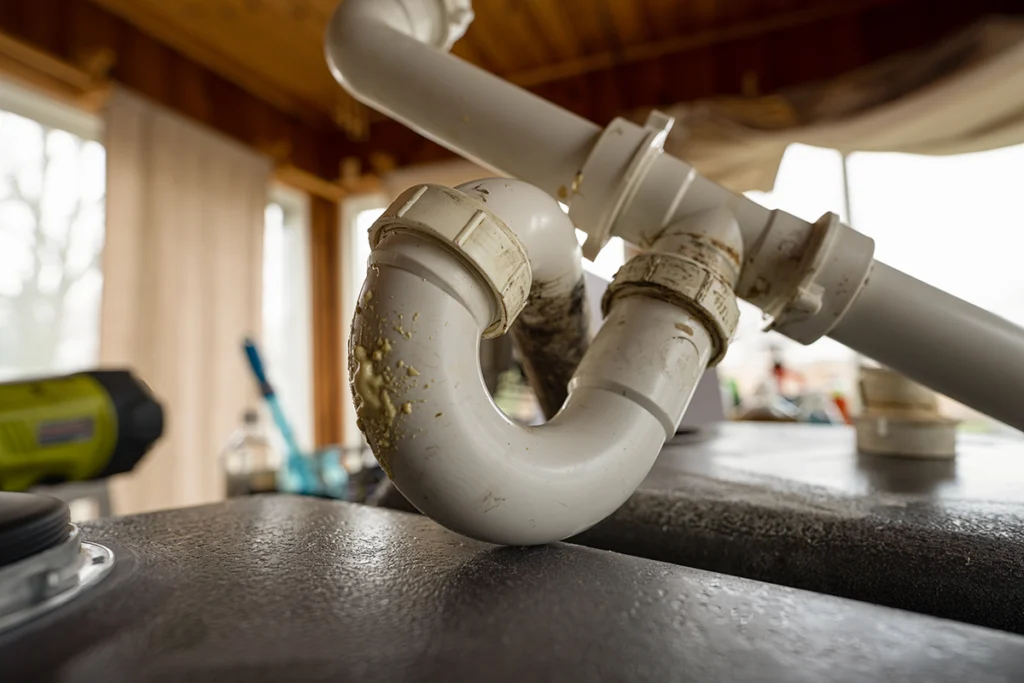
Two to four inches of water in the bend under your sink is all that keeps sewer gas out of the house. Code requires that trap, and it gives trouble in three ways: clogged, dry or leaking.
How P Traps and S Traps Work, and How to Tell Which One Is Under Your Sink
Both traps hold water to block sewer gas, but only the P trap holds it reliably. Here's how each design works, what code requires and how to identify yours.