How to Get Hair Out of a Shower Drain: Four Methods, Easiest First
Start with a barbed plastic drain tool. It grabs tangled hair and pulls it out without harming the pipe. If that doesn't do it, a baking soda flush, a wet/dry vacuum or pulling the stopper or trap will.
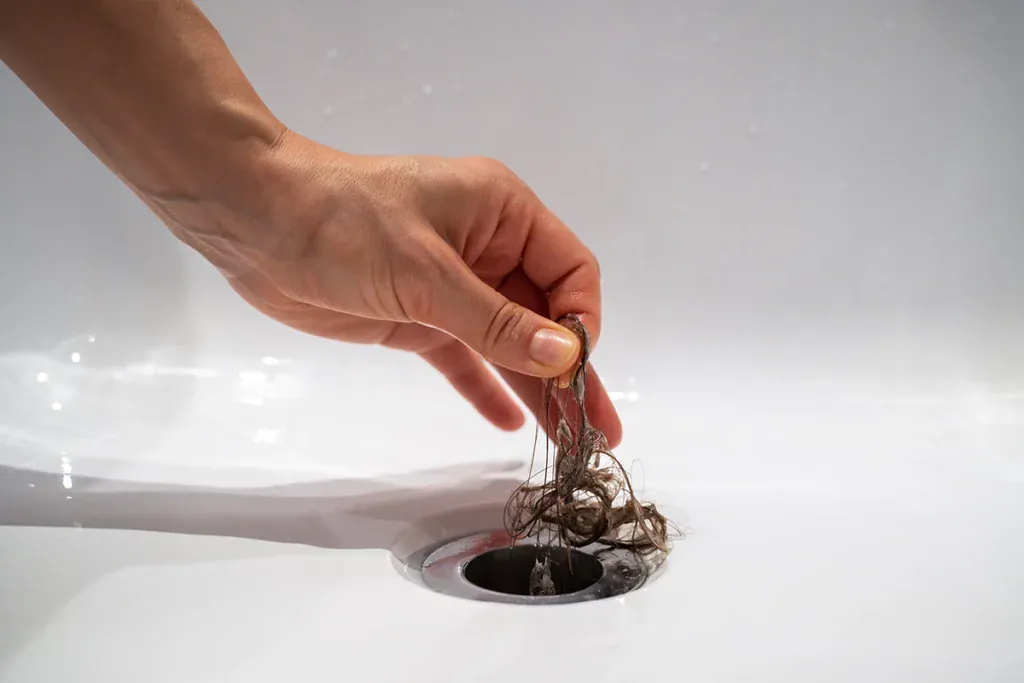
Why Hair Clogs Your Shower Drain So Easily
Before tackling removal methods, understand why this problem occurs frequently. Shower drains are especially vulnerable to hair clogs because:
- Hair tangles around drain stoppers or crossbars
- Soap and conditioner create sticky residue that traps hair
- Long hair clumps together and builds up quickly
- Shaving adds tiny bits of hair that combine over time
Even with a drain screen, some hair inevitably slips through and forms blockages inside the pipe.
Step 1: Start With a Manual Hair Removal Tool
One of the easiest ways is using a basic plastic drain cleaning tool—often called a hair snake or zip-it tool. These flexible, barbed tools grab tangled hair and pull it out without damaging plumbing.
How to use one:
- Remove the drain cover if needed (some pop off; others need a screwdriver)
- Insert the tool into the drain and push it down gently
- Pull it out slowly—hair should come up with it
- Repeat several times until nothing more comes out
- Rinse the drain with hot water
This simple tool is inexpensive and widely available at hardware stores or online.
Step 2: Try a Baking Soda and Vinegar Flush
Once you’ve removed bulk hair, a natural drain cleaner can help loosen remaining residue. Baking soda and vinegar create a fizzy reaction that breaks down buildup and deodorizes the drain.
To use this method:
- Pour ½ cup of baking soda into the drain
- Follow with 1 cup of white vinegar
- Let the mixture fizz and sit for 15–30 minutes
- Flush with hot water to clear the loosened debris
While this won’t dissolve large clumps of hair, it’s a good follow-up after manual cleaning.
Step 3: Use a Wet/Dry Vacuum for Stubborn Hair Clogs in Shower Drain
For more stubborn cases, a wet/dry shop vacuum can be surprisingly effective. It can pull up deep clogs when other methods fail.
Instructions:
- Set the vacuum to the liquid setting
- Cover the overflow drain (if applicable) to focus suction
- Place the vacuum hose over the shower drain
- Create a tight seal using a rag if needed
- Turn it on and let it run for a few seconds
The suction can pull out hair clumps lodged deeper in the pipe.
Step 4: Remove the Drain Stopper or Trap (If Necessary)
If hair continues to cause issues, you may need to remove the drain stopper or access the P-trap below the shower to manually clear the clog. This step can vary depending on your plumbing setup.
For a stopper:
- Unscrew or pull out the stopper mechanism
- Use a flashlight to check for hair inside the pipe
- Remove it with a gloved hand or pliers
For a P-trap (in some showers with access):
- Place a bucket underneath
- Unscrew the trap and remove debris manually
- Reassemble and check for leaks
If you’re not comfortable with this step, professionals can help.
Step 5: When to Call a Professional
Understanding how to clear hair from shower drain lines is useful—but some clogs are too deep or stubborn for DIY fixes. If you’ve tried the steps above and still have:
- Standing water in the shower
- Bad smells coming from the drain
- Frequent clogs returning within days
- Gurgling noises from nearby drains
…it’s time to call a plumber. Professional equipment reaches clogs deep in plumbing and clears them without harming pipes. Camera inspections can pinpoint hidden issues and prevent recurring problems.
Tips to Prevent Future Hair Clogs in Shower Drain
Once your drain is clear, the next step is keeping it that way. Here’s how to prevent future hair clogs:
- Use a drain hair catcher – Mesh or silicone strainers catch hair before it goes down
- Clean the catcher weekly – Don’t let hair build up
- Brush your hair before showering – Removes loose strands
- Flush drains with hot water regularly – Helps dissolve minor buildup
- Avoid greasy bath products – They increase residue in pipes
Prevention is easier (and cheaper) than dealing with clogs after the fact.
Still Standing in Water?
A Clog Heroes technician clears the line and gives you a written price before any work starts. Calls are answered 24/7 at (540) 518-2564.
Filed under Drains · All Guides
More Drains Guides
How to Get Rid of Drain Flies by Clearing the Slime They Breed In
Spraying adult drain flies won't stop them. They lay their eggs in the slime that lines slow and rarely used drains, so the fix is to find the drain they're using, clear it and keep it clean.
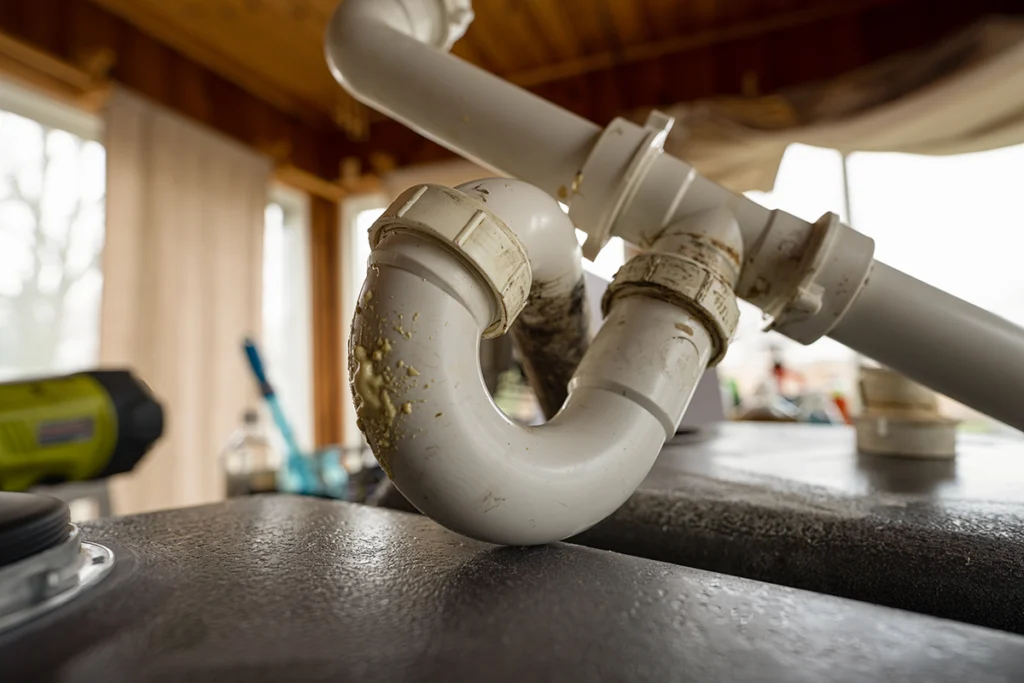
The P-Trap Under Your Sink: How It Blocks Sewer Gas and What to Do When It Fails
Two to four inches of water in the bend under your sink is all that keeps sewer gas out of the house. Code requires that trap, and it gives trouble in three ways: clogged, dry or leaking.
How P Traps and S Traps Work, and How to Tell Which One Is Under Your Sink
Both traps hold water to block sewer gas, but only the P trap holds it reliably. Here's how each design works, what code requires and how to identify yours.