
Six Reasons the Water Pressure Is Low in Your House, and How to Tell Which One You Have
Low pressure at one faucet points to that fixture. Low pressure everywhere points to a valve, a leak, the pressure regulator or the city supply. Four checks narrow it down.
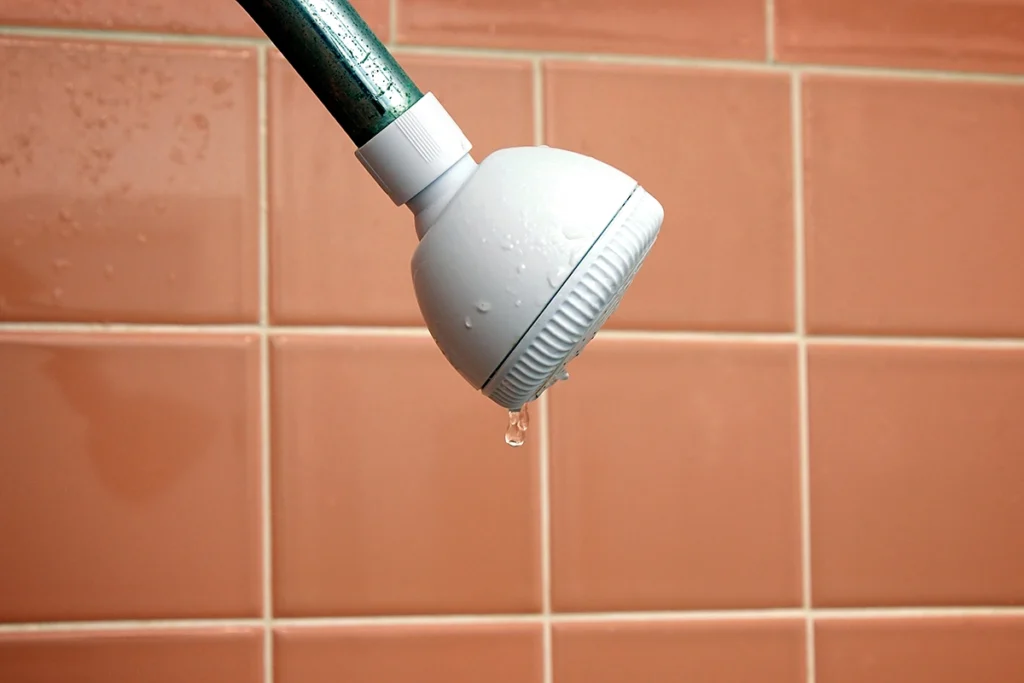
Low water pressure in house plumbing is one of the most frustrating issues homeowners face. Whether you’re trying to shower, do dishes, or water the lawn, weak water flow can disrupt your daily routine and indicate larger plumbing problems.
What Is Considered Low Water Pressure in House Plumbing?
Water pressure is measured in pounds per square inch (psi), and the average home should have pressure between 40–60 psi. If your pressure drops below 40 psi, you’ll likely notice a significant decrease in water flow from faucets, showerheads, and appliances. Low water pressure in house plumbing can affect one fixture or your entire home, depending on the cause.
Common Causes of Low Water Pressure in House Plumbing
1. Mineral Buildup in Pipes
Over time, minerals like calcium and magnesium can accumulate inside your plumbing pipes—especially in areas with hard water like Fredericksburg. This buildup narrows the interior of the pipes, restricting water flow and leading to low water pressure in house systems.
2. Partially Closed or Faulty Shutoff Valves
Your home’s main shutoff valve or water meter valve might not be fully open. If either valve is partially closed—even slightly—it can restrict water entering your home, reducing pressure across all fixtures.
3. Leaking or Damaged Pipes
Leaks in your plumbing system allow water to escape before it reaches its destination. This not only wastes water but also causes a noticeable drop in pressure. In severe cases, you may notice damp walls, puddles, or increased water bills as signs of a hidden leak.
4. Clogged Aerators or Showerheads
Sometimes low water pressure in house fixtures is isolated to one faucet or shower. In these cases, mineral buildup or debris inside the aerator or showerhead can block water flow. This is an easy fix but can feel like a larger problem until resolved.
5. Failing Pressure Regulator
Homes with pressure regulators rely on these devices to maintain steady water pressure. A faulty or failing regulator can cause sudden drops (or increases) in pressure. If you’ve noticed a recent, unexplained change in water pressure, the regulator may be the issue.
6. Municipal Supply Problems
Sometimes the problem isn’t inside your home at all. The city’s water supply system may be experiencing high demand, maintenance work, or line issues that result in low water pressure in house plumbing. Your neighbors may also notice similar pressure changes during these times.
How to Diagnose the Cause of Low Water Pressure in House Plumbing
Before jumping to conclusions, try these steps to narrow down the source:
-
Check All Fixtures: Is the pressure low everywhere or only in certain rooms? If only one faucet or shower is affected, the problem is likely local to that fixture.
-
Inspect Shutoff Valves: Make sure your main water valve and meter valve are fully open.
-
Look for Leaks: Check for visible leaks or signs of water damage around your home. If you can’t find any, but suspect a leak, a plumber can perform a pressure test.
-
Test Water Pressure: Use a pressure gauge (available at hardware stores) to measure your home’s pressure at an outdoor spigot. This can help determine if the issue is system-wide.
Solutions for Fixing Low Water Pressure in House Plumbing
Depending on the cause, solutions can range from DIY fixes to professional repairs.
Clean Faucet Aerators and Showerheads
If only one fixture is affected, unscrew the aerator or showerhead and soak it in vinegar overnight to dissolve mineral deposits. Scrub with a brush and reinstall to improve water flow.
Fully Open Shutoff Valves
Ensure both the main water valve (inside your home) and the water meter valve (outside, typically city-controlled) are fully open. Partially closed valves can easily be overlooked.
Repair Leaks
Leaks often require a plumber to locate and repair. Fixing leaks not only restores water pressure but also prevents water damage and reduces your utility bills.
Replace the Pressure Regulator
If your pressure regulator is malfunctioning, it will need replacement. This is typically not a DIY project and should be handled by a professional plumber.
Pipe Replacement for Severe Buildup
If mineral buildup is extensive, your pipes may need to be cleaned or replaced. This is more common in older homes and is a larger investment, but it can significantly improve water flow and plumbing longevity.
Preventing Low Water Pressure in House Pipes Long-Term
Here are some tips to help you avoid recurring issues with low water pressure in house plumbing:
-
Install a Water Softener: In areas with hard water, a softener can reduce mineral buildup in pipes.
-
Schedule Annual Plumbing Inspections: Routine maintenance helps catch small issues before they lead to pressure problems.
-
Clean Fixtures Regularly: Periodically remove and clean aerators and showerheads to keep them free of debris.
-
Monitor Your Water Pressure: Keep an eye on changes. Sudden drops may indicate a developing issue.
When to Call a Pro for Low Water Pressure in House Plumbing
If you’ve tried basic fixes and still have low water pressure in house plumbing, it’s time to call a licensed plumber. Whether it’s a hidden leak, valve issue, or something more serious, a professional has the tools and experience to get your water flowing properly again.
Final Thoughts
Low water pressure in house plumbing is more than just an inconvenience—it can signal deeper issues in your pipes or fixtures. By understanding the causes and knowing when to call in the pros, you can protect your home’s plumbing system and enjoy steady, reliable water flow every day.
Pressure Still Low After the Easy Fixes?
A Clog Heroes technician tests the pressure, finds the cause and gives you a written price before any work starts. Calls are answered 24/7 at (540) 518-2564.
Filed under Leaks & Water · All Guides
More Leaks & Water Guides
Slab Leak Repair: How the Leak Is Found, the Three Ways It's Fixed and How Long It Takes
Most slab leak repairs take one to three days, and waiting only adds to the damage. Once the leak under the foundation is pinpointed, the choice is rerouting, epoxy coating or direct pipe repair.
Five Signs of a Slab Leak and the Four Methods That Find It Without Breaking Concrete
Water bill climbing? A warm spot on the floor or the sound of running water with every tap off can also mean a pipe has failed under your slab. Listening equipment, thermal imaging and pressure tests are how it gets found.
Water Leaking From the Ceiling? Four Common Sources and Three Things to Do Right Now
Burst pipes, upstairs plumbing, a water heater above or a drain line can all send water through a ceiling. Shut off the water, protect the area below and stay clear of wiring. Then find the source.