Toilet Draining Into the Tub? What a Shared-Line Clog Means and How It's Fixed
Your toilet, sink and tub usually share one waste line. When it clogs below the toilet connection, a flush pushes wastewater up into the tub. Older homes see it more often, and a plumber has four ways to fix it.
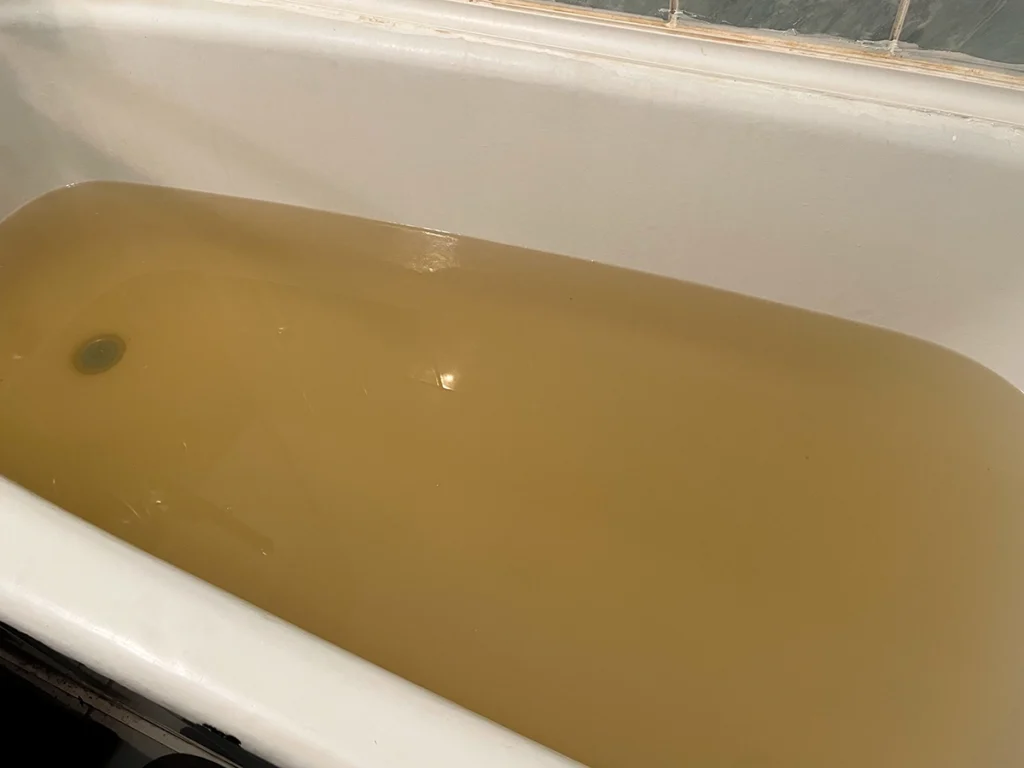
It’s not a situation anyone wants to deal with—flushing your toilet only to find dirty water rising into your bathtub.
What Causes a Toilet Draining Into the Tub?
Most bathrooms share a single main waste line handling water from the toilet, sink, and tub. When this line becomes clogged—particularly below the toilet connection—flushing forces wastewater into the bathtub as the only available outlet.
Other potential causes include:
- Main sewer line blockage
- Vent pipe obstruction
- Damaged or collapsed pipes
- Improper plumbing connections
Signs That Your Plumbing System Needs Immediate Attention
Additional warning signs include:
- Gurgling sounds from drains or toilet bowls
- Slow draining water in sinks, tubs, or showers
- Foul odors coming from drains
- Backed-up water in other fixtures when flushing or using appliances
When multiple drains are affected, the issue likely lies deeper in the system, possibly affecting the main sewer line.
Why Does This Happen in Older Homes?
Older homes often have deteriorated clay or cast iron pipes, allowing root invasion or section collapse. Narrower pipes in older properties clog more easily as grease, soap scum, hair, and waste accumulate over time.
How to Fix a Toilet Draining Into the Tub
Potential solutions include:
1. Professional Drain Cleaning
Motorized drain snakes or hydro jetting can clear tough clogs from drain lines.
2. Sewer Line Inspection
Video camera inspection identifies blockages, cracks, or root invasions in sewer lines.
3. Vent Pipe Clearing
Removing obstructions restores proper airflow in the system.
4. Pipe Repair or Replacement
Damaged or collapsed pipes require repair or replacement to prevent ongoing backups.
Avoid chemical drain cleaners, which can be ineffective and corrode pipes.
Can You Prevent a Toilet Draining Into the Tub?
Preventive maintenance strategies include:
- Flushing only toilet paper and waste, as recommended by the EPA
- Using drain covers in showers and tubs to catch hair and debris
- Scheduling annual drain cleaning to remove buildup
- Keeping trees trimmed to reduce root invasion chances
- Having older pipes inspected every few years
When to Call a Professional Plumber
If plunging or snaking hasn’t resolved the issue, professional help is necessary. Complex drainage problems require specialized diagnostic tools and expertise to avoid causing additional damage.
Emergency plumbing services are available for those unable to tolerate prolonged backups.
Dirty Water in the Tub Right Now?
Stop flushing and call Clog Heroes. Calls are answered 24/7, and you get a written price before any work starts. Calls are answered 24/7 at (540) 518-2564.
Filed under Toilets · All Guides
More Toilets Guides
Toilet Leaking at the Base? Why the Wax Ring or Flange Fails and the 10-Step Fix
Every flush makes a leak at the base of a toilet worse. The cause is usually a failed wax ring or a damaged flange, and the repair runs 10 steps.
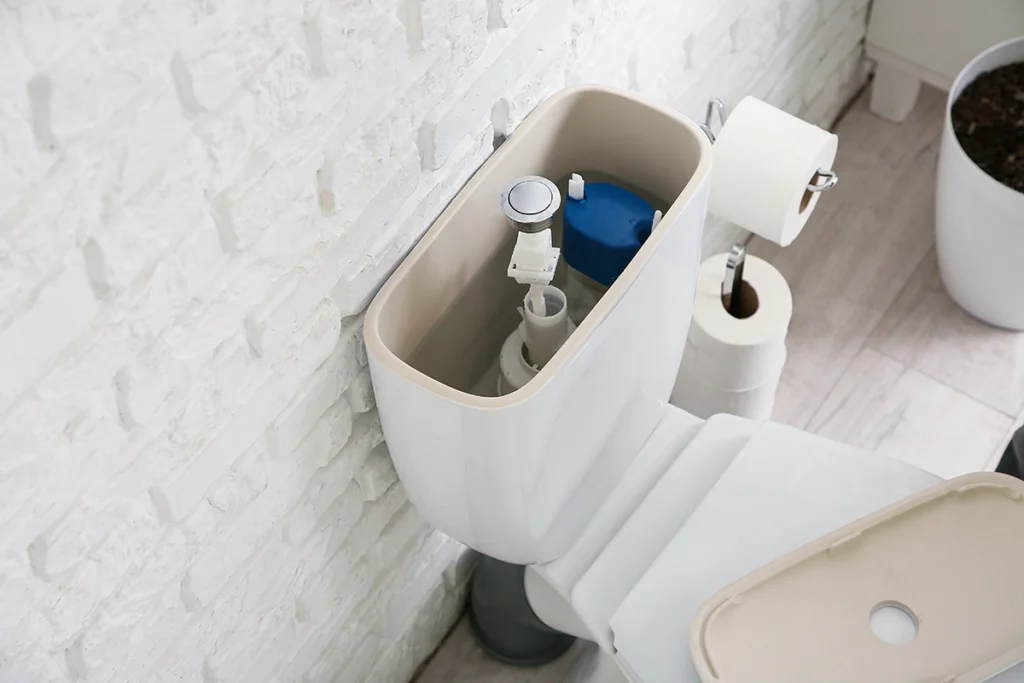
Six Toilet Tank Parts: What Each One Does and How to Tell Which One Failed
Most running, slow-filling and weak-flushing toilets trace back to one of six parts inside the tank. Each part fails with its own symptom, so the symptom points to the part.
Offset Toilet Flange: When It Solves the Problem and When It Creates a New One
An offset flange shifts a toilet a short distance to fit a rough-in that's off, and it narrows the flow path in the process. That trade-off decides whether it's the right part or an alternative fits better.