
Black Ring in the Toilet? Five Causes and a Five-Step Cleanup That Keeps It Away
That black ring in the toilet is usually mold or mildew feeding on moisture, minerals and biofilm. Scrub the tank as well as the bowl, because the grime it feeds on hides there too.
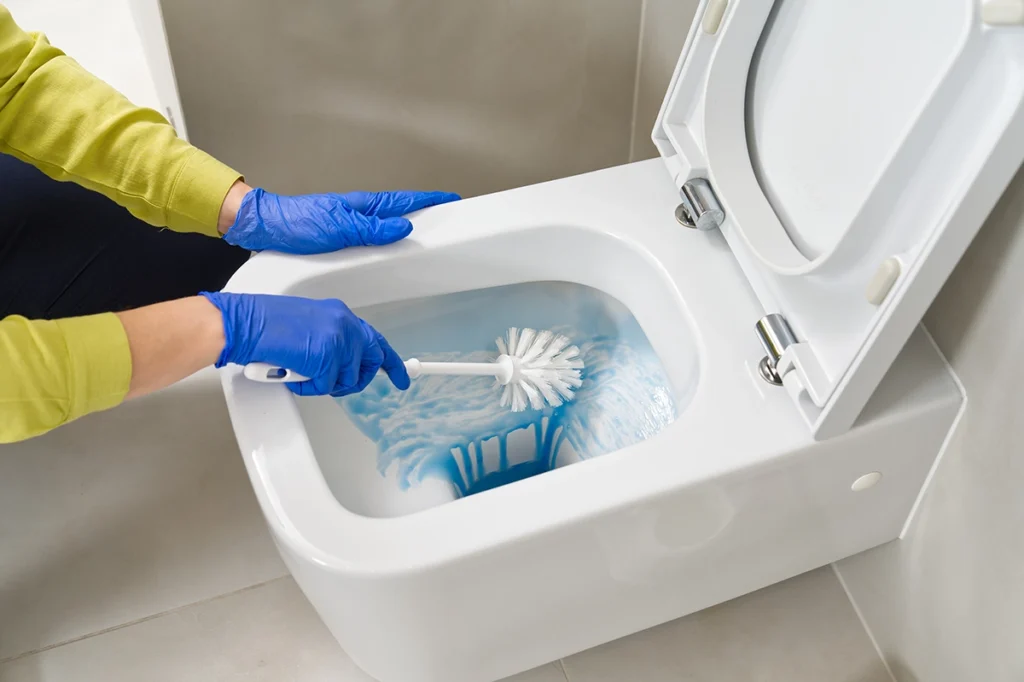
Seeing black fungus in toilet bowls or tanks is both alarming and unsanitary.
What Is the Black Fungus in Toilet Bowls?
The black fungus in toilet bowls is typically a type of mold or mildew that thrives in dark, moist environments. It may appear as black rings in the bowl, streaks inside the tank, or slimy residue under the rim. Mold spores are naturally present in the air, but when they settle in an environment with moisture, warmth, and organic material, they begin to grow quickly.
This growth isn’t just ugly—it can also trigger allergies and worsen respiratory problems. In some cases, it’s a sign of a more serious water quality or plumbing issue.
Causes of Black Fungus in Toilet Tanks and Bowls
Let’s take a closer look at why black fungus in toilet tanks and bowls forms in the first place:
1. High Humidity and Poor Ventilation
Bathrooms are often the most humid rooms in a house. When the air remains moist and poorly ventilated, mold spores have a perfect place to thrive—especially in and around toilet bowls and tanks. If the bathroom lacks an exhaust fan or windows, this only makes the situation worse.
2. Stagnant Water and Infrequent Flushing
Toilets that aren’t used often—like those in guest bathrooms or vacation homes—are more likely to develop black fungus. The stagnant water inside provides the moisture mold needs, and without regular flushing, spores aren’t cleared away.
3. Hard Water and Mineral Deposits
In Fredericksburg and surrounding areas, hard water is a common issue. Over time, minerals like calcium and magnesium build up in the toilet bowl. These deposits provide a rough surface for mold to cling to and feed on. The more buildup you have, the easier it is for fungus to take hold.
4. Dirty or Contaminated Toilet Tanks
Mold often starts in the toilet tank and then makes its way into the bowl. If the tank is filled with bacteria, mineral sludge, or decaying materials (like an old flapper or rubber parts), it creates a breeding ground for black fungus.
5. Biofilm and Organic Matter
Toilets that are not cleaned regularly may accumulate biofilm—a slimy layer made of bacteria and organic matter. This film lines the bowl and the underside of the rim, creating the perfect environment for black mold to grow and spread.
Health Risks of Black Fungus in Toilet
While not every strain of black mold is toxic, exposure can still lead to health issues—especially for people with allergies, asthma, or compromised immune systems. Inhaling mold spores may cause:
- Coughing and sneezing
- Sinus congestion
- Eye and skin irritation
- Respiratory infections
If the black fungus in toilet is accompanied by a musty odor, persistent allergy symptoms, or visible growth elsewhere in the bathroom, it’s time to take action.
How to Remove Black Fungus in Toilet
Getting rid of black fungus in toilet bowls or tanks takes a combination of cleaning, disinfecting, and preventive steps. Here’s what we recommend:
Step 1: Wear Proper Protection
Before cleaning, make sure to wear gloves, a face mask, and old clothes. Mold spores can become airborne, and you’ll want to protect your skin and lungs during the process.
Step 2: Scrub the Bowl and Rim
Use a toilet brush and a disinfecting cleaner (or a vinegar and baking soda mix) to scrub the inside of the bowl. Pay extra attention to the water line and under the rim—these areas often hide mold growth.
Step 3: Clean the Toilet Tank
Remove the tank lid and inspect for signs of black slime or buildup. You can use white vinegar or a diluted bleach solution (1 part bleach to 10 parts water) to scrub the tank interior. Make sure to flush the toilet a few times afterward to rinse out any remaining chemicals.
Step 4: Replace Worn-Out Components
If the flapper, fill valve, or other rubber parts in the tank are deteriorating, replace them. Decaying materials can feed mold and contribute to foul odors and slime buildup.
Step 5: Flush With a Mold-Inhibiting Cleaner
After cleaning, flush a mold-inhibiting toilet cleaner down the bowl once a week. This will help kill lingering spores and prevent future growth.
How to Prevent Black Fungus From Returning
Once you’ve removed the black fungus in toilet, you’ll want to stop it from coming back. Here are a few simple preventive steps:
- Use the toilet regularly: Flush unused toilets at least once per week to prevent stagnant water.
- Improve bathroom ventilation: Run an exhaust fan or open a window during and after showers.
- Clean the bowl weekly: Use a mild disinfectant to wipe down the bowl and seat.
- Add vinegar to the tank monthly: Pour one cup of white vinegar into the tank to break down mineral deposits and control bacteria.
- Install a water softener: If hard water is a problem in your area, a water softener can reduce buildup and make cleaning easier.
When to Call a Professional Plumber
If the black fungus in toilet keeps coming back even after repeated cleanings, there may be an underlying plumbing issue. You could have a leaky flapper, poor water quality, or backflow problems introducing contaminants into your water supply.
Professional inspections can check your toilet tank, water lines, and drainage systems to make sure everything is clean, sealed, and functioning properly.
Black Growth Keeps Coming Back?
Worn tank parts can hold the grime it feeds on. A Clog Heroes technician checks the tank, replaces what's worn and gives you a written price before any work starts. Calls are answered 24/7 at (540) 518-2564.
Filed under Toilets · All Guides
More Toilets Guides
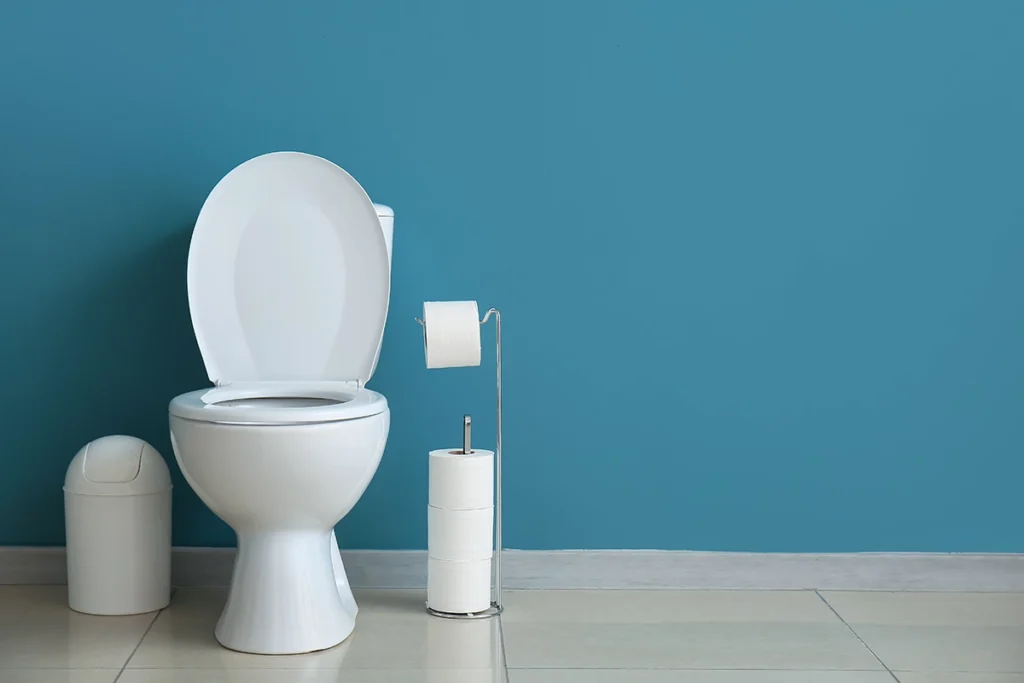
Toilet Leaking at the Base? Why the Wax Ring or Flange Fails and the 10-Step Fix
Every flush makes a leak at the base of a toilet worse. The cause is usually a failed wax ring or a damaged flange, and the repair runs 10 steps.
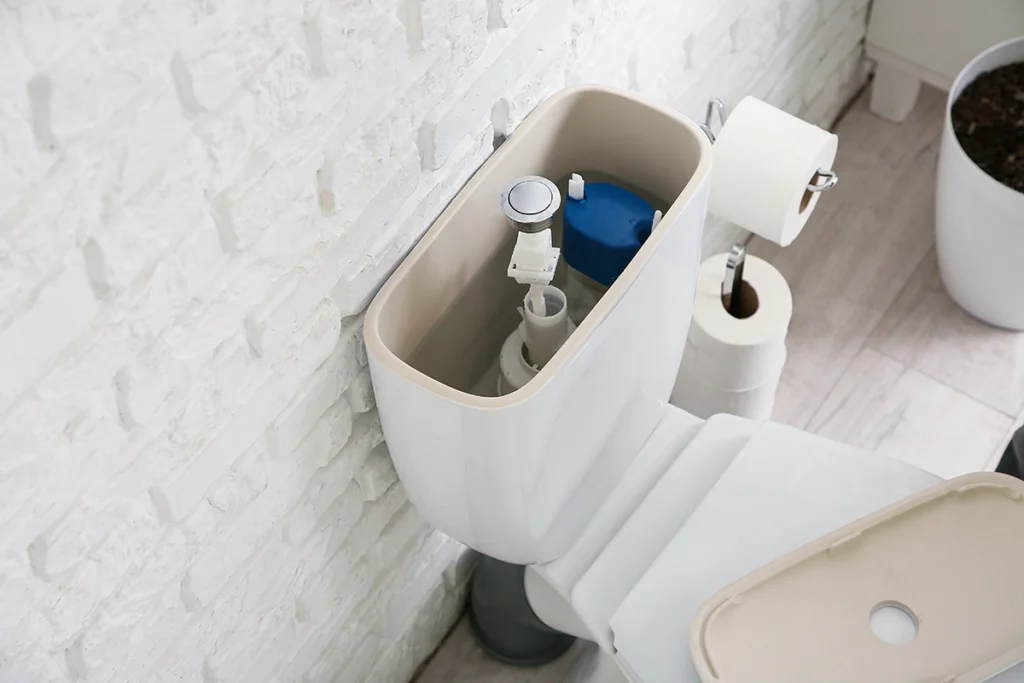
Six Toilet Tank Parts: What Each One Does and How to Tell Which One Failed
Most running, slow-filling and weak-flushing toilets trace back to one of six parts inside the tank. Each part fails with its own symptom, so the symptom points to the part.
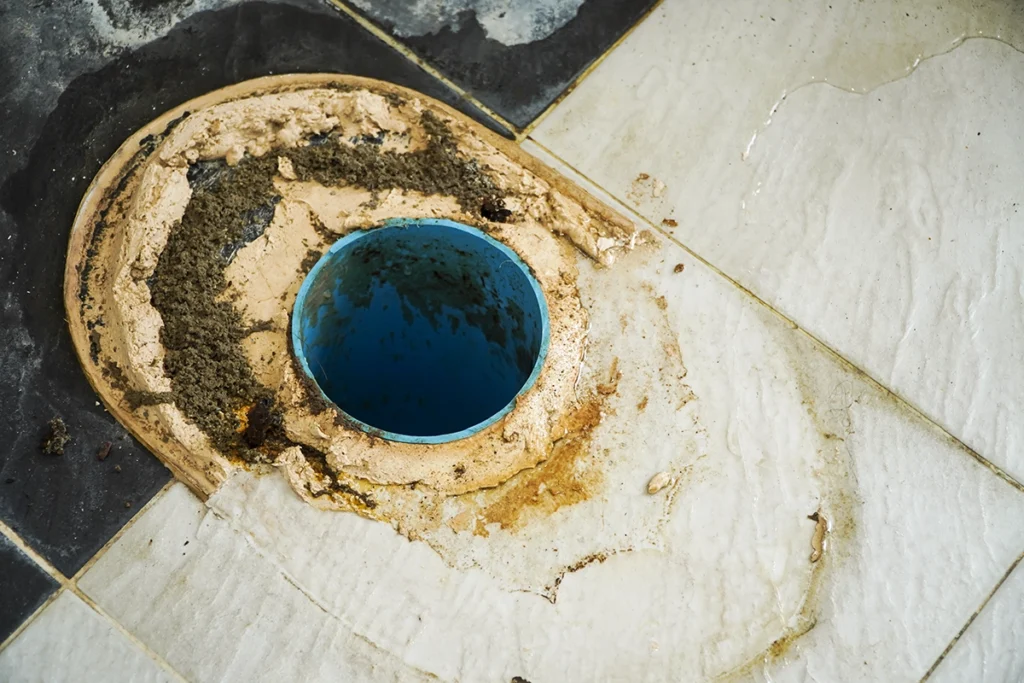
Offset Toilet Flange: When It Solves the Problem and When It Creates a New One
An offset flange shifts a toilet a short distance to fit a rough-in that's off, and it narrows the flow path in the process. That trade-off decides whether it's the right part or an alternative fits better.