Five Ways to Protect a PVC Pipe Behind Drywall Before a Nail Finds It
A drywall screw or picture nail can puncture a PVC pipe you can't see. Metal plates, insulation and proper supports keep it safe, and a quick check now and then catches trouble early.
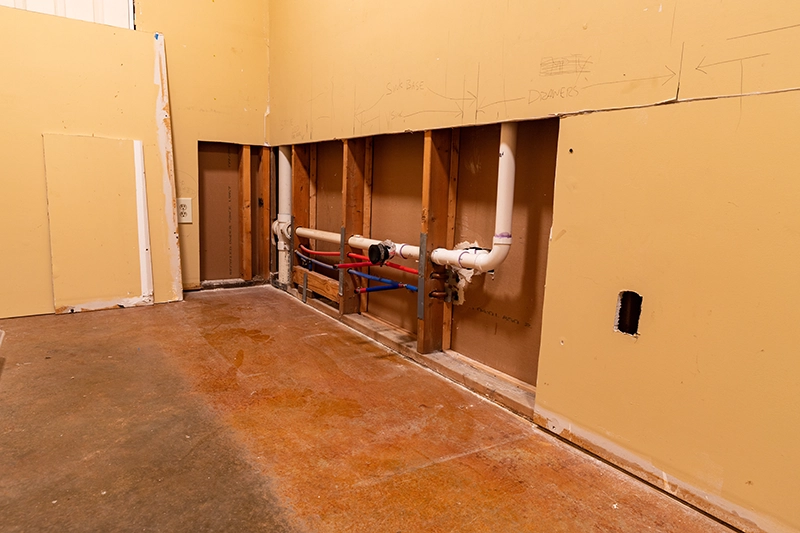
Let’s be honest—thinking about the pipes behind your walls isn’t exactly thrilling. They’re out of sight, so it’s easy to put them out of mind. But if you’ve got a PVC pipe hiding behind drywall, it’s worth taking a few simple steps to keep it safe. Trust me, a little bit of effort now can save you a lot of headaches later. So if you’re wondering how to protect a PVC pipe behind drywall, you’ve come to the right place. Let’s talk about some easy, down-to-earth ways to keep your pipes in tip-top shape.
Why Do PVC Pipes Need Extra Protection?
You might be wondering, “Aren’t PVC pipes supposed to be super strong? What’s the big deal?” And you’re not wrong. PVC is sturdy stuff—it doesn’t rust, it’s tough, and it can last for years. But here’s the thing: even the toughest pipes can get into trouble. All it takes is someone hammering a nail into the wall, a sudden temperature drop, or your house deciding to settle a bit. If a pipe gets damaged, you could end up with a leak or some serious water damage—and nobody wants that.
The good news? There are some easy ways to keep your PVC pipes out of harm’s way, even if they’re tucked behind drywall. Let’s dive in.
Step 1: Protect Those Pipes With Metal Plates—Your Pipe’s Bodyguard
One of the simplest ways to protect a PVC pipe behind drywall is by using protective plates. Think of these metal plates like bodyguards for your pipes. You install them over the pipe wherever it runs through a wall stud, and they act like shields to stop nails and screws from puncturing the pipe. It’s especially useful if you’re the type who loves hanging up new artwork or rearranging your shelves every few months. These plates are cheap, easy to install, and can save you from a “whoops” moment that leads to an expensive repair.
Step 2: Give Your Pipes a Cozy Blanket With Insulation
PVC pipes may be tough, but they’re not big fans of extreme temperatures. If your pipes run through exterior walls, unheated basements, or other chilly spots, wrapping them in pipe insulation is a game-changer. Think of it like giving your pipes a comfy blanket to help them stay warm during those cold Fredericksburg winters. Because let’s be real—nobody wants to deal with a frozen, burst pipe in the middle of January. A little insulation now can save you a huge mess later.
Step 3: Secure Your Pipes—Give Them a Little Hug
Here’s the thing—houses are always shifting a bit. It’s just a part of life. But when your home settles, your pipes can shift too. If you don’t secure those PVC pipes properly, they can rub against the drywall or studs, which may eventually cause a leak. Use pipe supports or clamps to keep everything in place. It’s like giving your pipes a little hug to make sure they stay put, no matter how much your house decides to move around.
Step 4: Be Mindful With Chemicals—Some Things Just Don’t Mix
If you love a good DIY project, this one’s for you. When you’re working with any strong chemicals around the house, make sure they’re kept away from your PVC pipes. Some harsh cleaners, adhesives, or solvents can weaken PVC if they happen to come into contact with it. So, before you start pouring that industrial-strength cleaner, double-check to make sure it’s safe for your pipes. A little bit of caution now can go a long way in avoiding trouble later.
Step 5: Check in Every Now and Then—A Little Attention Goes a Long Way
Let’s be honest—nobody wants to go around inspecting their pipes all the time. But just taking a few minutes every now and then to look for signs of trouble can help you catch small issues before they become big headaches. If you notice unusual sounds, water stains on the walls, or a drop in water pressure, it could be a sign that something’s up with your pipes. Think of it like a quick health check for your plumbing. It only takes a few minutes, and it could save you a lot of hassle.
When to Call in the Pros—Sometimes You Need a Little Backup: How to Protect a PVC Pipe Behind Drywall
Still scratching your head, wondering how to protect a PVC pipe behind drywall? Or maybe you’re worried that a problem is already starting? Don’t sweat it—it’s okay to call in the experts. At Clog Heroes in Fredericksburg, VA, we’re here to help with all your plumbing needs. We can inspect your pipes, provide extra protection tips, or fix any issues that come up—we’ve got your back. Sometimes, bringing in a pro is the best way to keep your home’s plumbing running smoothly.
Bottom Line: Protecting PVC Pipes Doesn’t Have to Be Complicated
So, how to protect a PVC pipe behind drywall? It’s not rocket science. By adding protective plates, insulating your pipes, securing them with supports, and being cautious with chemicals, you can help keep your pipes in great shape. And don’t forget to check in on them every now and then—it’s like giving your plumbing a little love to keep things running smoothly.
If you ever need a hand or have questions about your pipes, give Clog Heroes a call. We’re here to help make sure you don’t have to worry about what’s going on behind your walls. Because at the end of the day, it’s all about keeping your home worry-free and your plumbing hassle-free. After all, a little prevention now can go a long way in making sure your pipes stay problem-free for years to come.
Found a Wet Spot on the Wall?
A Clog Heroes technician finds the damaged pipe, repairs it and gives you a written price before any work starts. Calls are answered 24/7 at (540) 518-2564.
Filed under Pipes & Fittings · All Guides
More Pipes & Fittings Guides
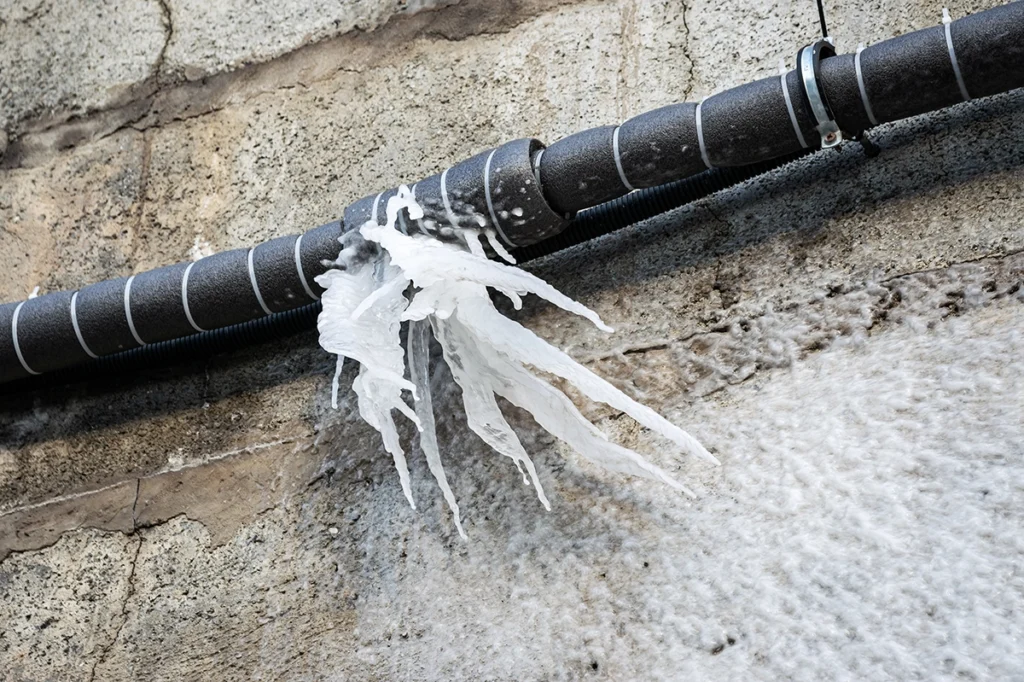
Drip Your Faucets Below 20°F: Which Taps, How Fast and for How Long
Once it stays below 20°F for several hours, unprotected pipes are at the most risk. Drip the right faucets at one drop every second or two, and know what to do if a pipe freezes anyway.
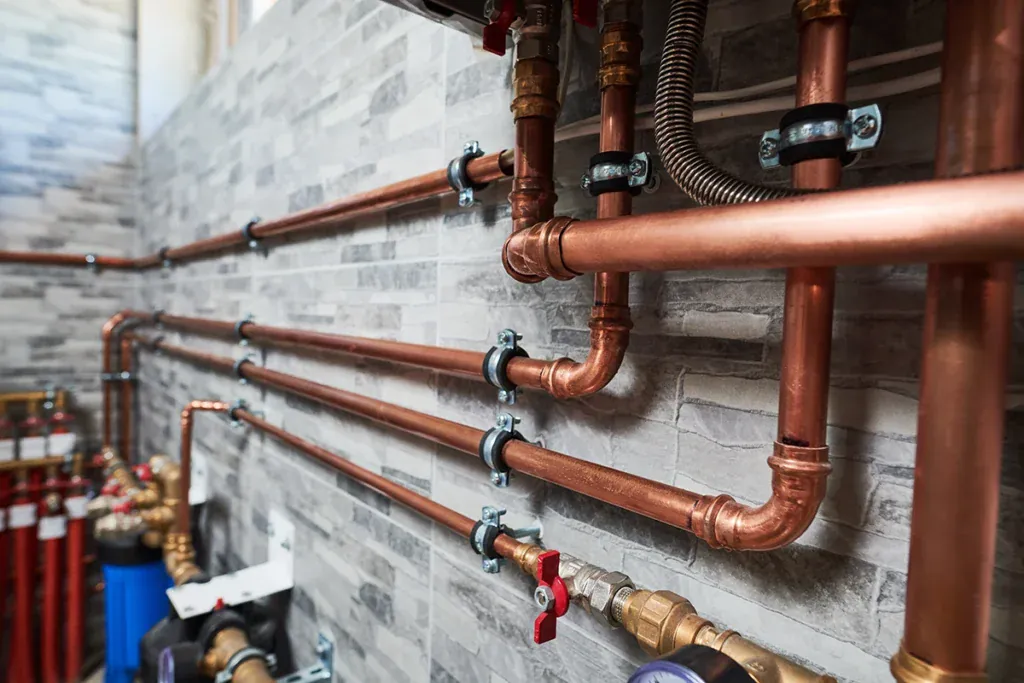
Copper Sweat vs. SharkBite: Which Joint Lasts Longer and When Each One Makes Sense
Decades for a soldered copper joint. Seconds for a SharkBite push fitting, which also works on CPVC and PEX. Durability, code and cost decide where each one belongs.
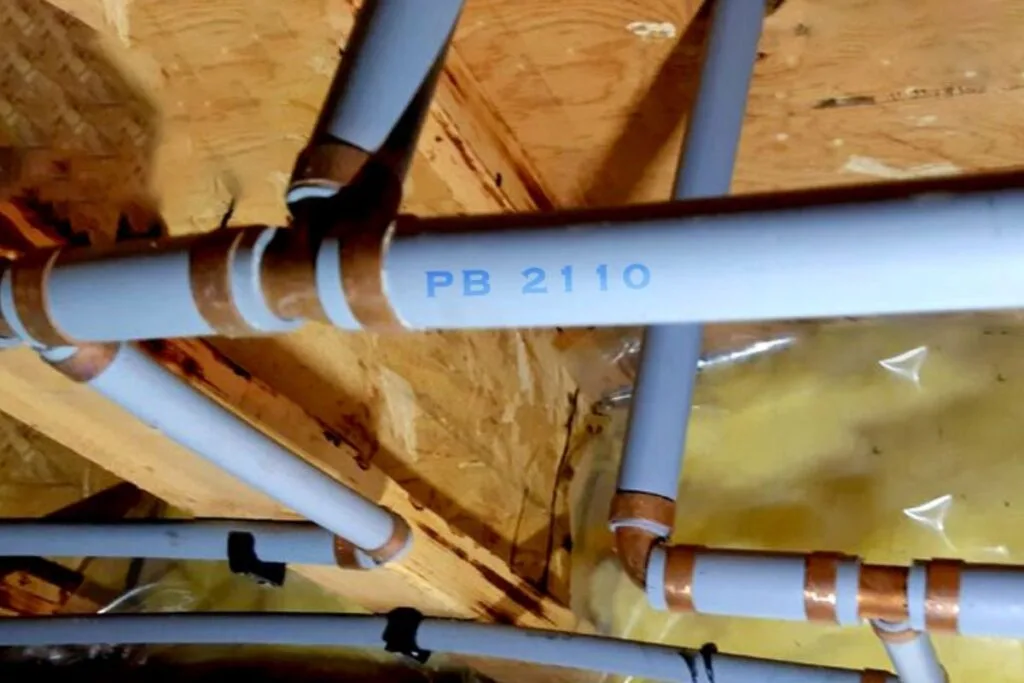
Polybutylene Plumbing: How to Spot It, Why It Fails and When to Replace It
Built between the late 1970s and the mid-1990s? Your house may have polybutylene, a flexible plastic supply pipe that breaks down from the inside. Spotting it is the first step in deciding whether to replace it.