Water Heater Leaking From the Bottom? Three Causes and What to Do First
A loose drain valve, condensation or a corroded tank causes most leaks at the base of a water heater. Shut off the power and water first. Then use this guide to tell which one you have.
What a Water Heater Leaking From the Bottom Usually Means
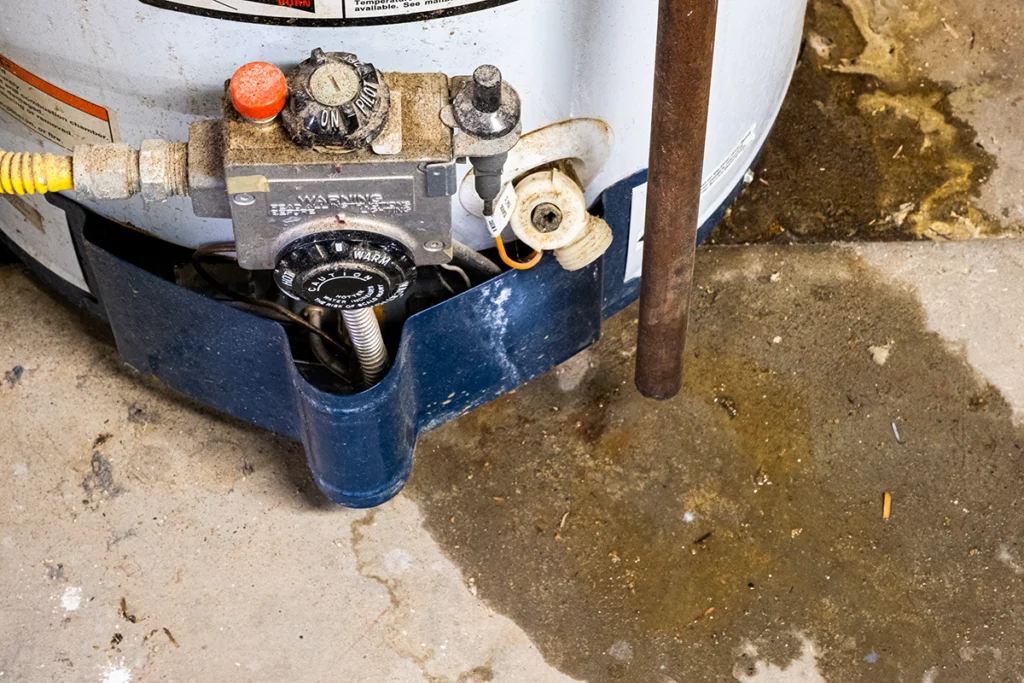
If you spot water pooling under your tank, don’t panic — but don’t ignore it either. A water heater leaking from the bottom usually points to one of a few issues:
- Drain valve leak: This is a small spigot at the base of the tank. If it’s loose or failing, water can drip steadily.
- Condensation: In humid areas or when cold water enters a hot tank, moisture can collect and drip down.
- Internal tank leak: If the tank itself has corroded, water will seep out, often signaling the end of the heater’s life.
If your leak is higher on the tank, we have another blog that may be more helpful for you — see our tips for handling top-side leaks.
Industry sources, including the Department of Energy, note that standard storage water heaters typically last 10–15 years with proper care. If yours is nearing that age, a leak is often a sign it’s time to start planning for a replacement.
Step One: Shut Off Power and Water
The first thing I tell customers is to shut everything down for safety. Turn off the power at the breaker if you have an electric water heater, or set the gas control to “pilot” on a gas model.
Then, turn off the cold water supply line at the top of the heater. This stops more water from flowing into the tank and limits flooding risk.
Common Causes of a Water Heater Leaking From the Bottom
Faulty Drain Valve
A worn or cracked drain valve is one of the easiest fixes. Sometimes it just needs tightening. Other times, we’ll replace the valve completely — a quick and affordable repair.
Rusted Tank
If the tank itself is rusted through, unfortunately, repairs usually aren’t possible. Once corrosion eats through the steel, the only real solution is a full replacement — which is why many homeowners choose professional water heater replacement to restore reliable hot water quickly.
Too Much Pressure
Excessive pressure inside the tank can force water out through the bottom seams. A bad temperature and pressure relief (T&P) valve or very high water pressure in your home can cause this. We often test the pressure regulator to see if that’s the root of the issue.
How to Prevent a Water Heater Leaking From the Bottom
Good news — many bottom leaks are preventable with regular care. Flushing your water heater once a year helps remove sediment that can corrode the tank. Testing the T&P valve every six months ensures it’s working correctly.
Scheduling annual water heater maintenance is another smart move. At Clog Heroes Plumbing, Sewer & Drain, we check your water heater, drain valve, and pressure relief components during routine visits. This gives you peace of mind and helps your heater last longer.
When to Call a Plumber for a Water Heater Leaking From the Bottom
Some homeowners are comfortable tightening a drain valve or shutting off the water, but not everyone wants to deal with a tank full of hot water. That’s where professionals come in.
We have the right tools to safely drain the tank, replace valves, or install a new water heater if needed. If you have a water heater leaking from bottom and you’re not sure what’s causing it, a quick service call can save you time and prevent bigger problems.
Seasonal Tip
Leaks always seem to happen at the worst times — right before the holidays or during cold snaps. Check your water heater before winter hits to make sure everything is working properly. This small step can help avoid surprises when you need hot water the most.
Final Thoughts
A water heater leaking from the bottom can be a small issue — or a sign it’s time for a new unit. Either way, acting quickly is the key to protecting your home and avoiding major water damage.
Contact Clog Heroes Plumbing, Sewer & Drain today to schedule a repair, inspection, or replacement consultation. We proudly serve homeowners in Fredericksburg, VA, and surrounding areas and can help you find the most cost-effective solution for your situation.
Water Pooling Under the Tank?
A Clog Heroes technician finds the source, tells you whether to repair or replace and gives you a written price before any work starts. Calls are answered 24/7 at (540) 518-2564.
Filed under Water Heaters · All Guides
More Water Heaters Guides
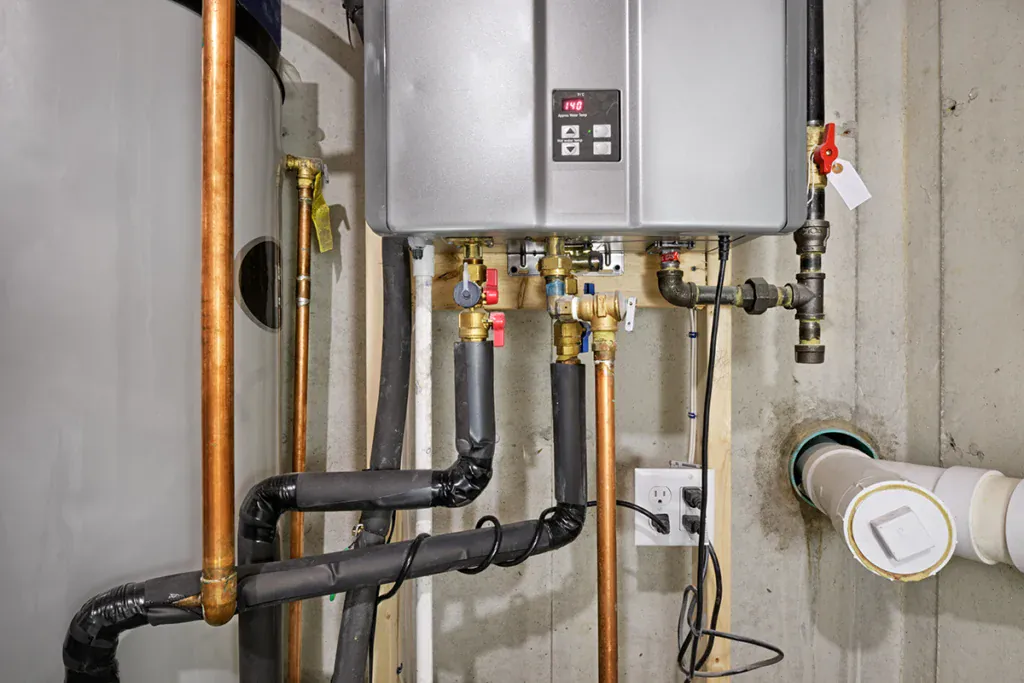
How Long Do Tankless Water Heaters Last? About 20 Years, and What Gets Them There
Tankless water heaters typically last around 20 years, against 10 to 15 for a tank. Hard water, sizing and yearly flushing decide whether yours gets there. Once a unit shows its age, the question becomes repair or replace.
No Hot Water in the Shower? Three Clues That Point to the Cause
If the sinks run hot and the shower doesn't, look at the shower valve. If nothing in the house runs hot, look at the water heater. If it starts hot and fades fast, look at the dip tube or the tank size.
Tankless Water Heater Pros and Cons: Four Advantages, Five Trade-Offs and Who Should Switch
Steady hot water and no standby loss are what a tankless heater offers. It also costs more up front, needs yearly flushing and is limited by flow rate in winter. Whether that trade pays off depends on your household.